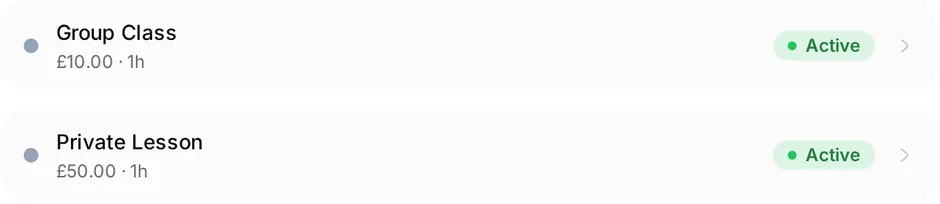
 Group class at £10
Your services, priced and timed
Group class and private lesson each carry a price and a length, ready to book online.

Publish weekly class sessions, let students book places and manage passes and memberships. Keep attendee and payer details clear.
Zero commission. No cut of a payment, nothing on a new client.
One monthly subscription, plus Stripe’s own 1.5% + 20p on standard UK cards. Youzse adds nothing to it.

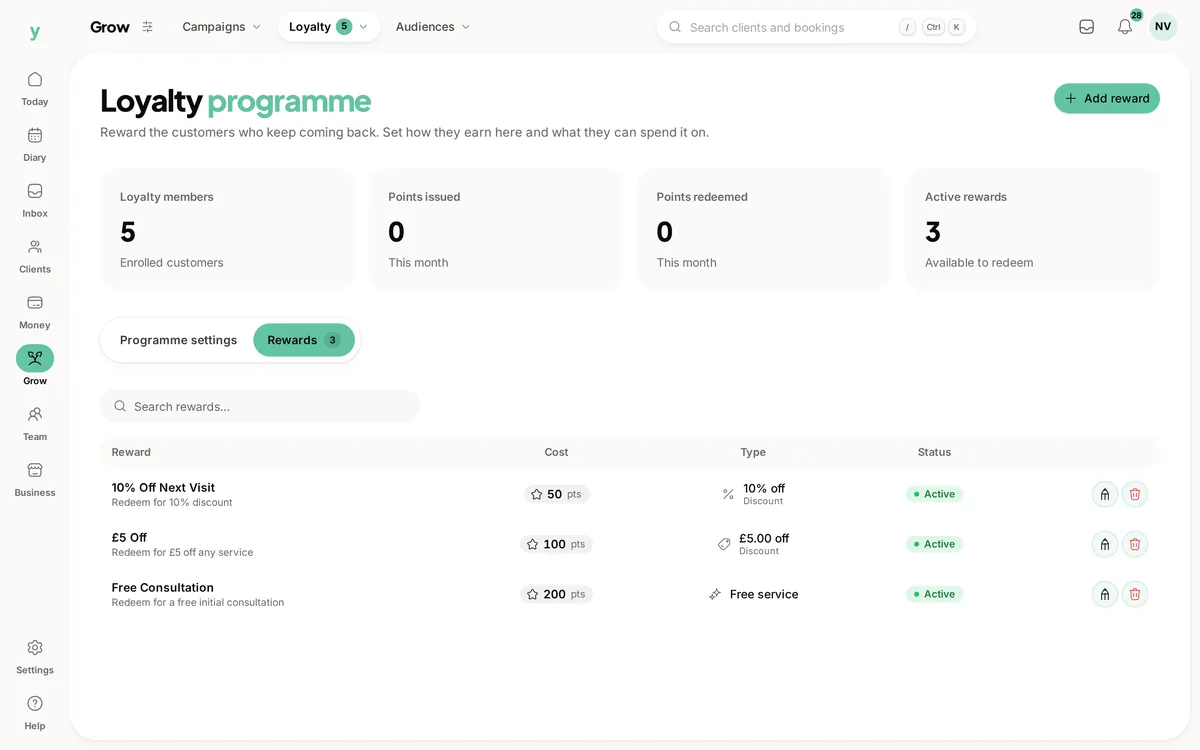
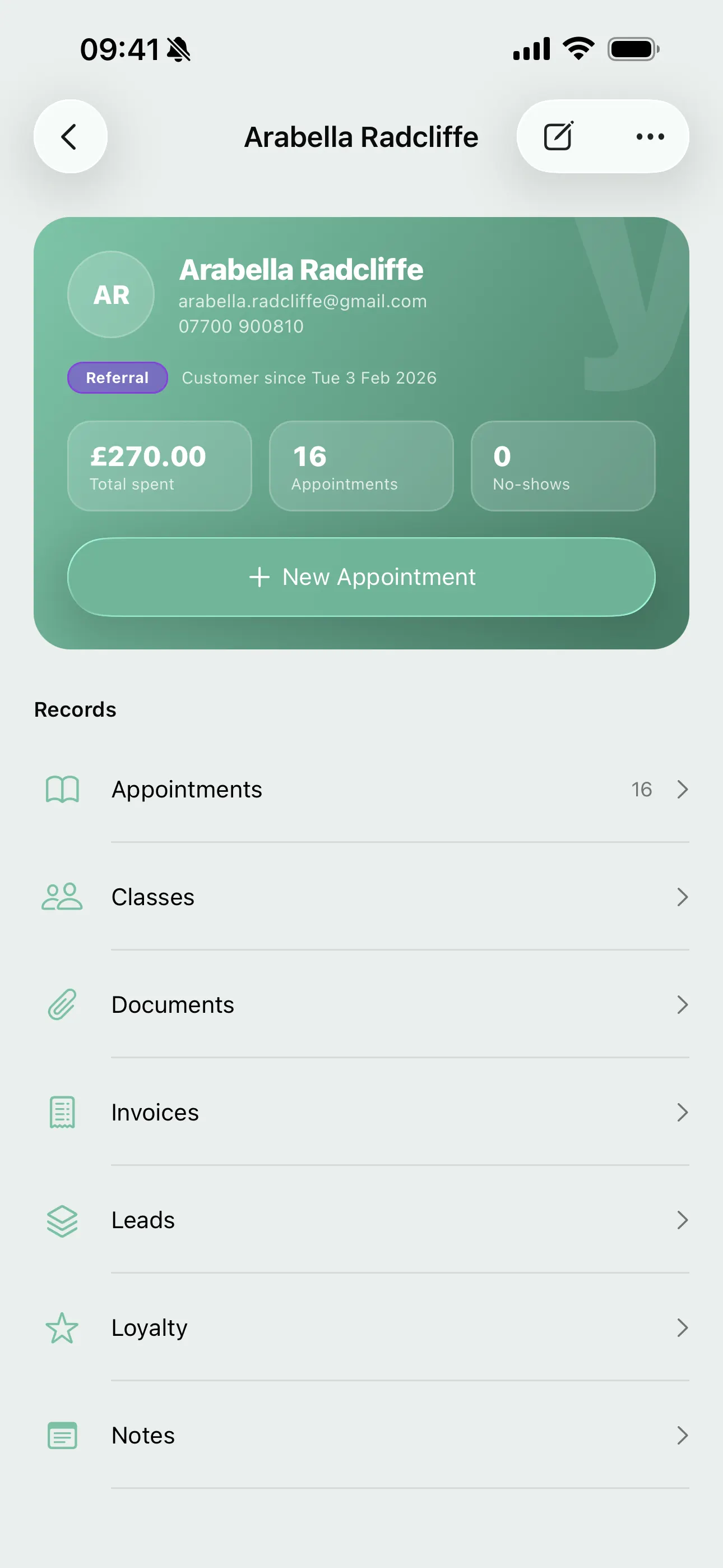
Real screens from Step by Step Dance, our demo dance school, with the numbers it shows today.
Group class at £10Group class and private lesson each carry a price and a length, ready to book online.
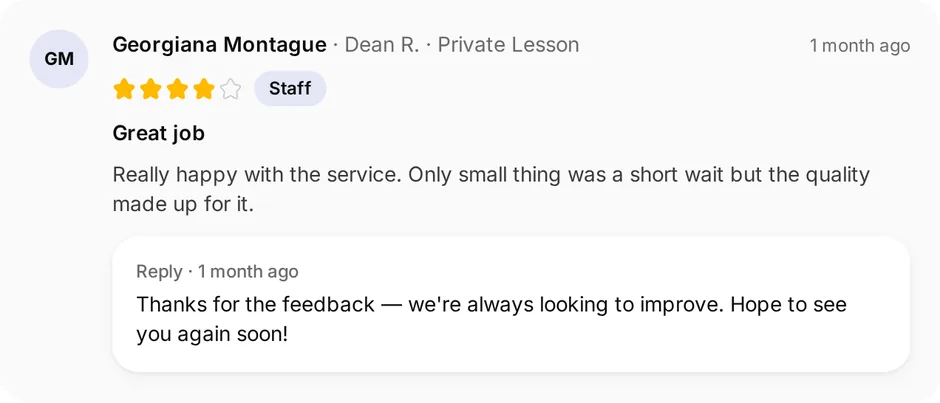 Waiting for your reply
Every review names who it was with and what was booked, this one for group class. Reply from the same screen.
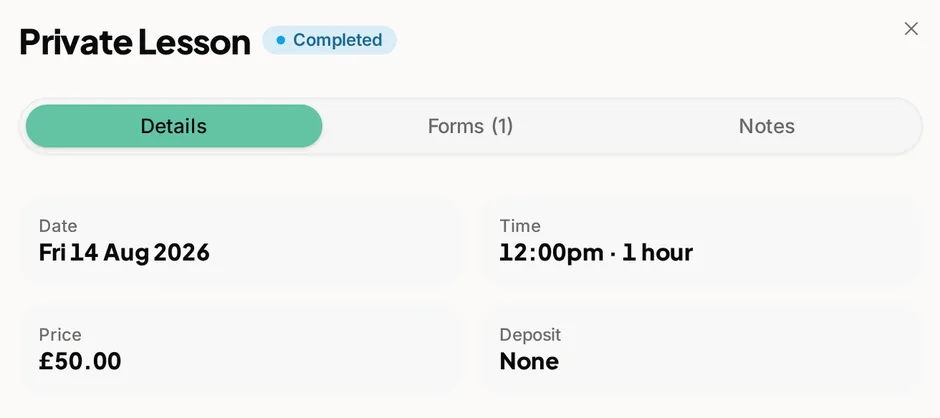 Private lesson, 1 hour
Open any appointment to see the service, time, length, price and deposit, with the client and their history a scroll away.
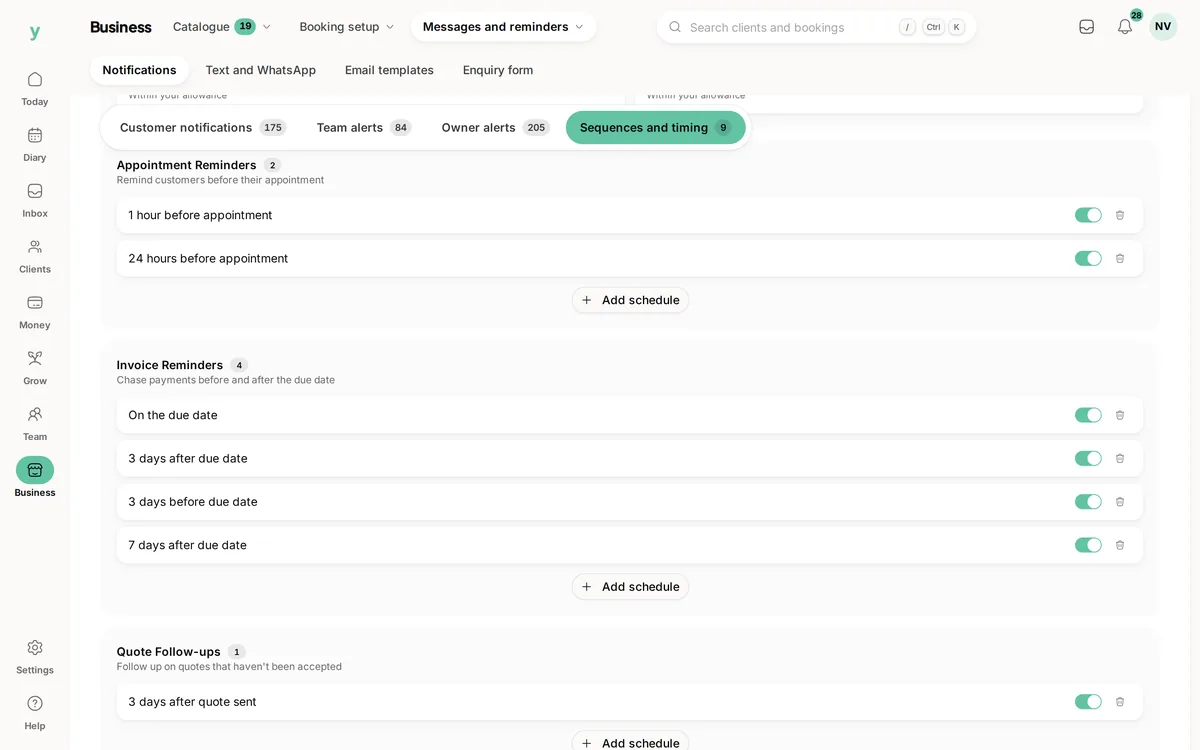
Publish your timetable, let students book classes online and take payment up front. Memberships and passes keep regulars enrolled and reminders keep everyone turning up.
No commission on anything you take. No per student charges.
One monthly subscription. 1.5% + 20p only when you take a card payment.
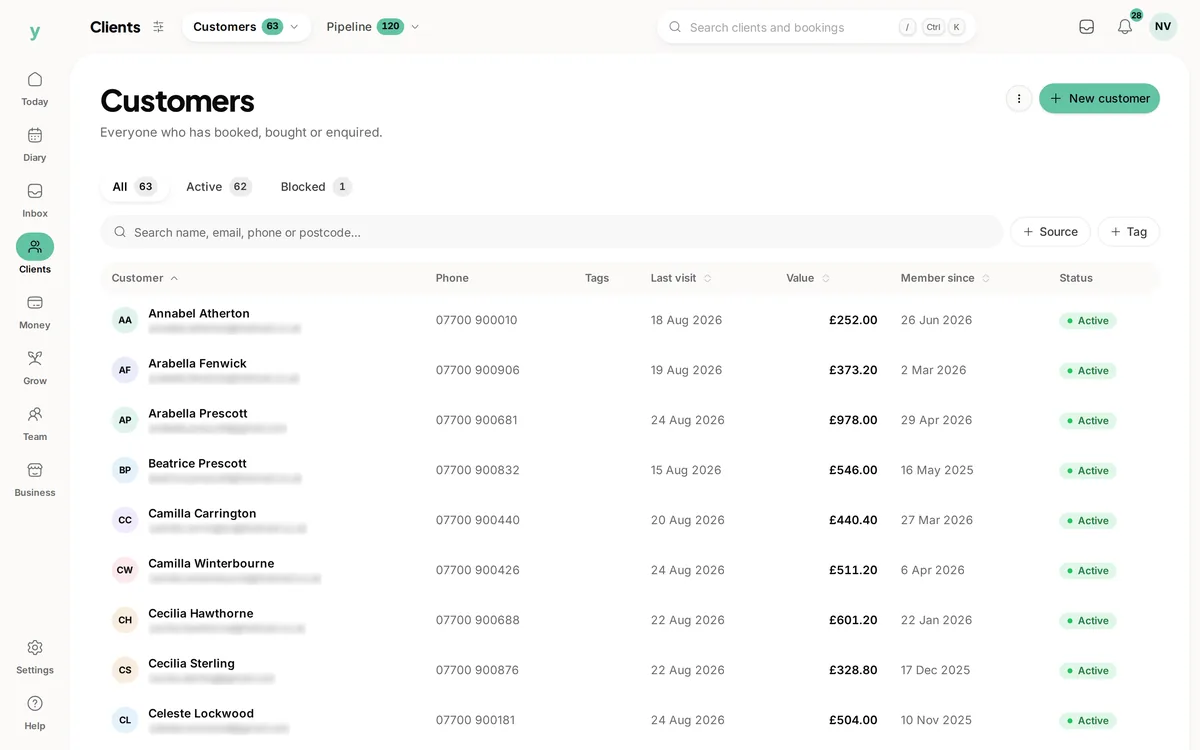
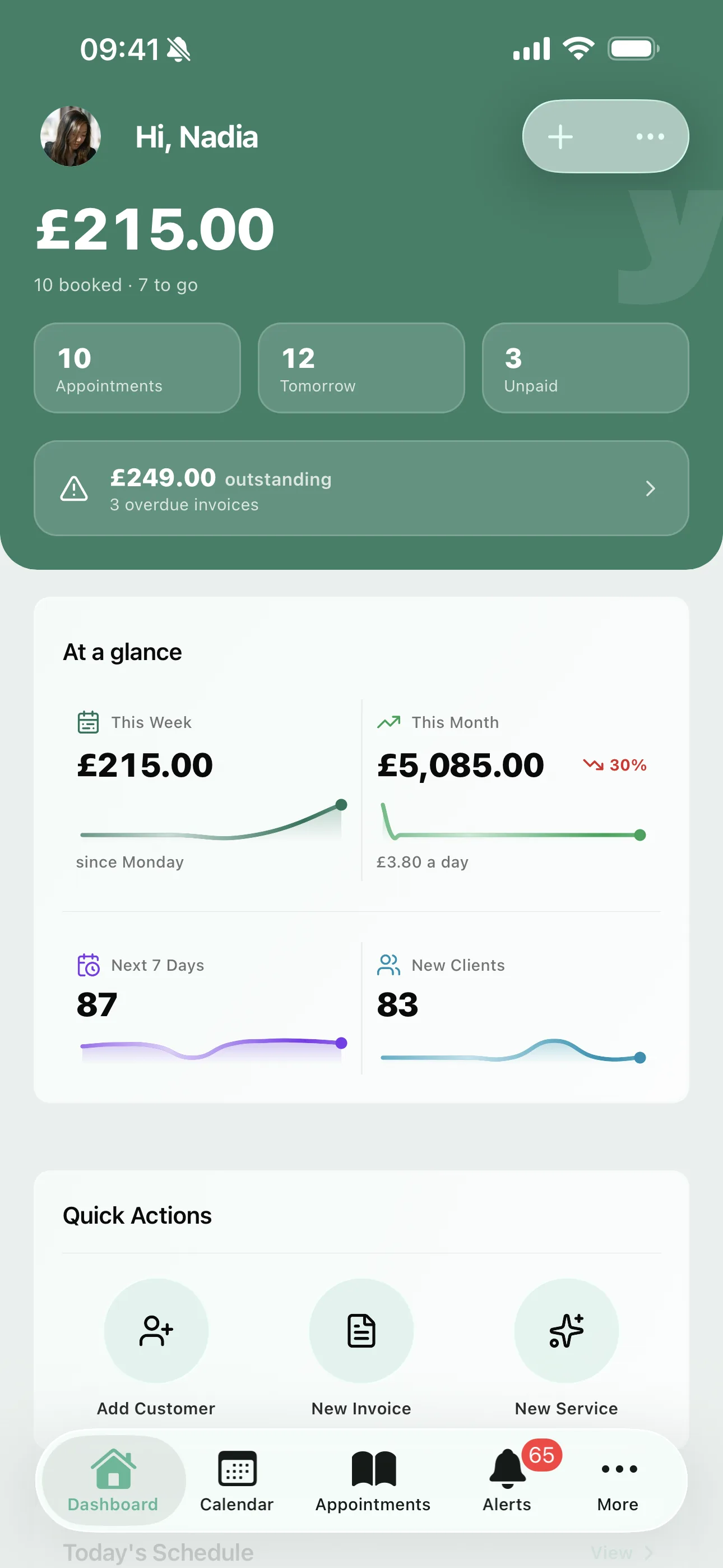
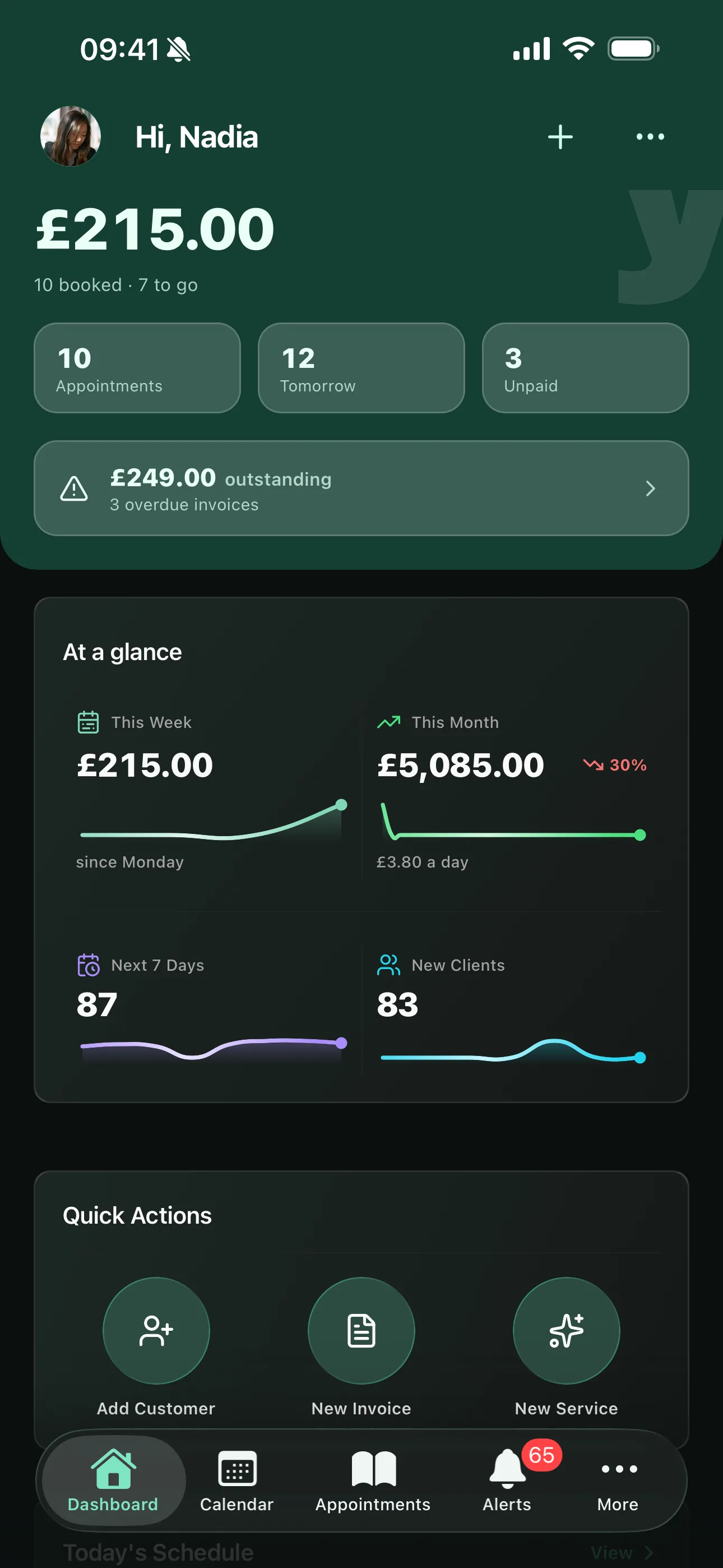
A dance school bills termly fees, plus costumes, exams and show tickets. Each of those is a separate collection from the same families. Handle them from one place instead of four spreadsheets.
Classes, passes and memberships in one place.
1.5% plus 20p on standard UK cards, and nothing added on top.
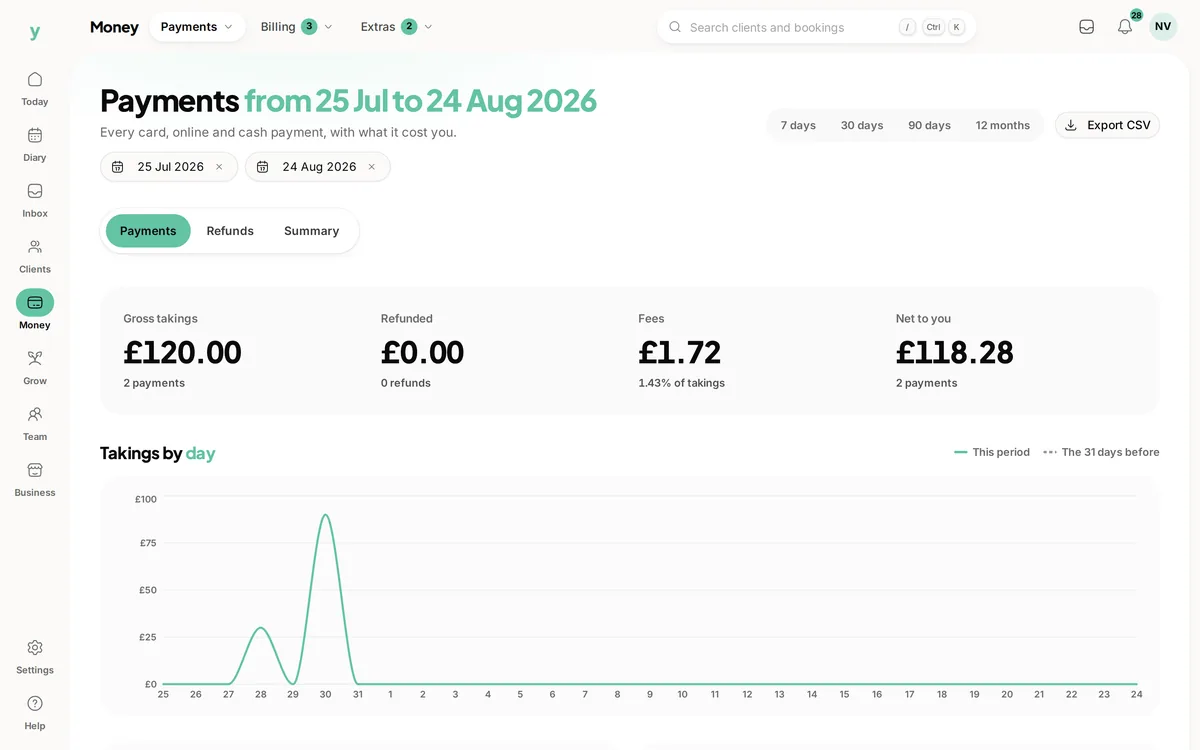
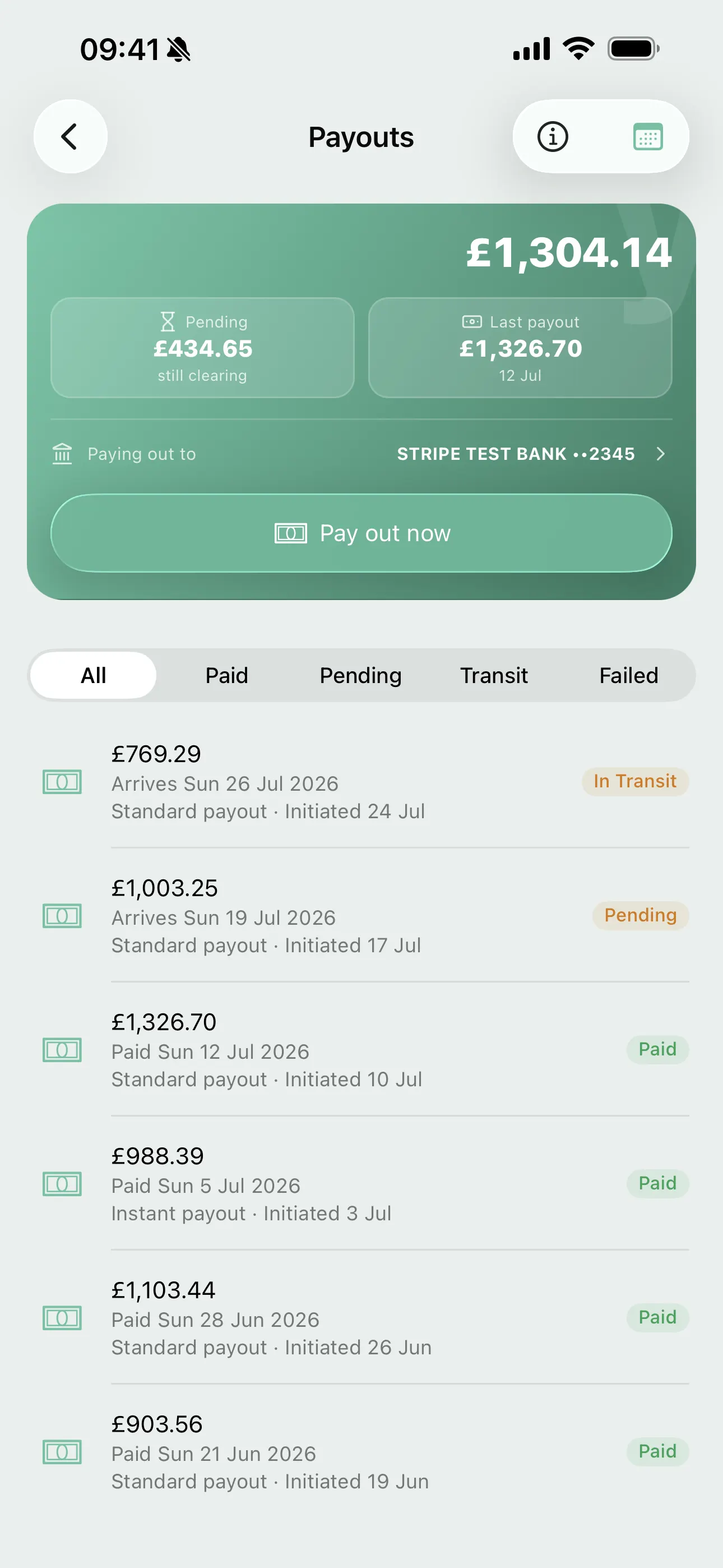
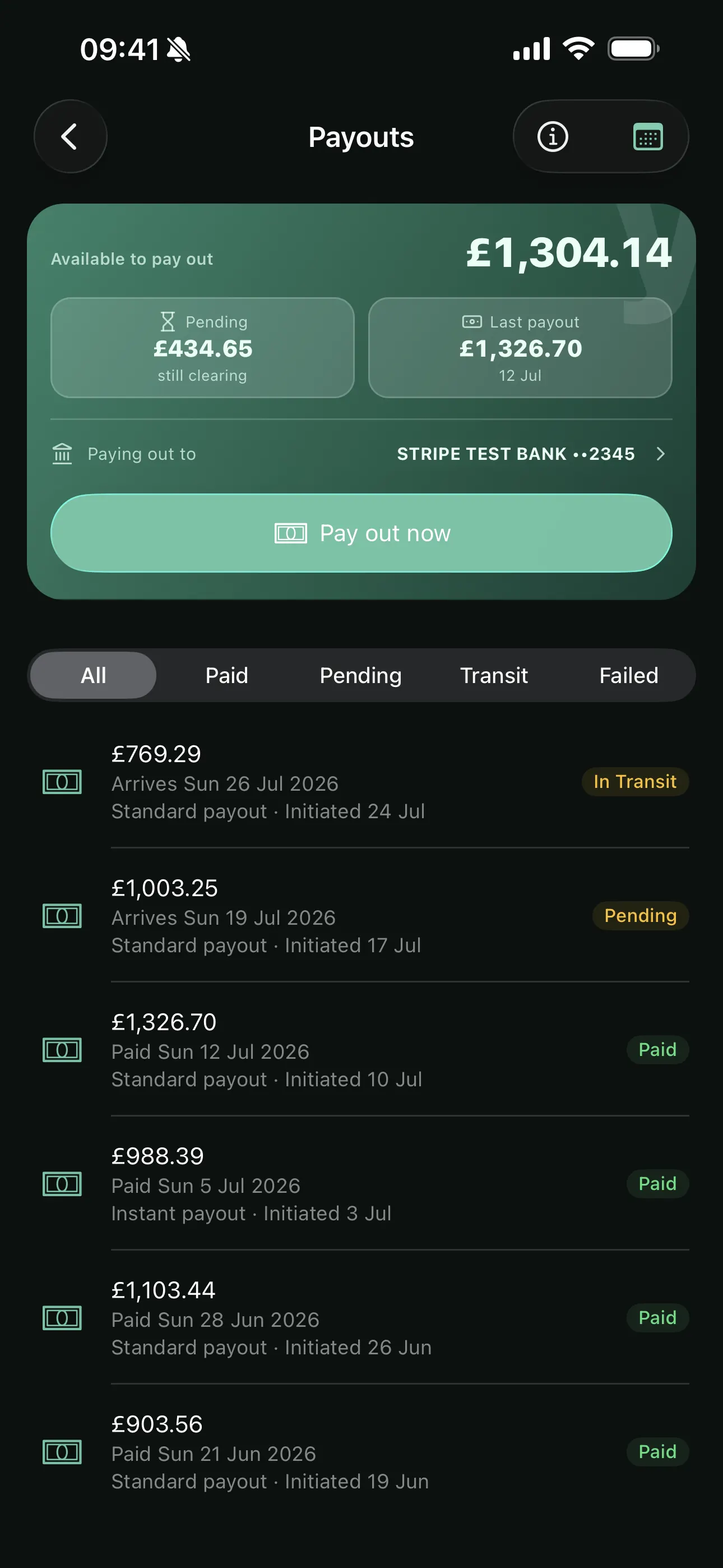
Dance pupils often stay from four to eighteen. The school keeps whole families. Class registers, grade progress and show participation on one record make each term roll over rather than restart.
Unlimited pupil records.
Unlimited customer records on every plan, yours to export at any time.
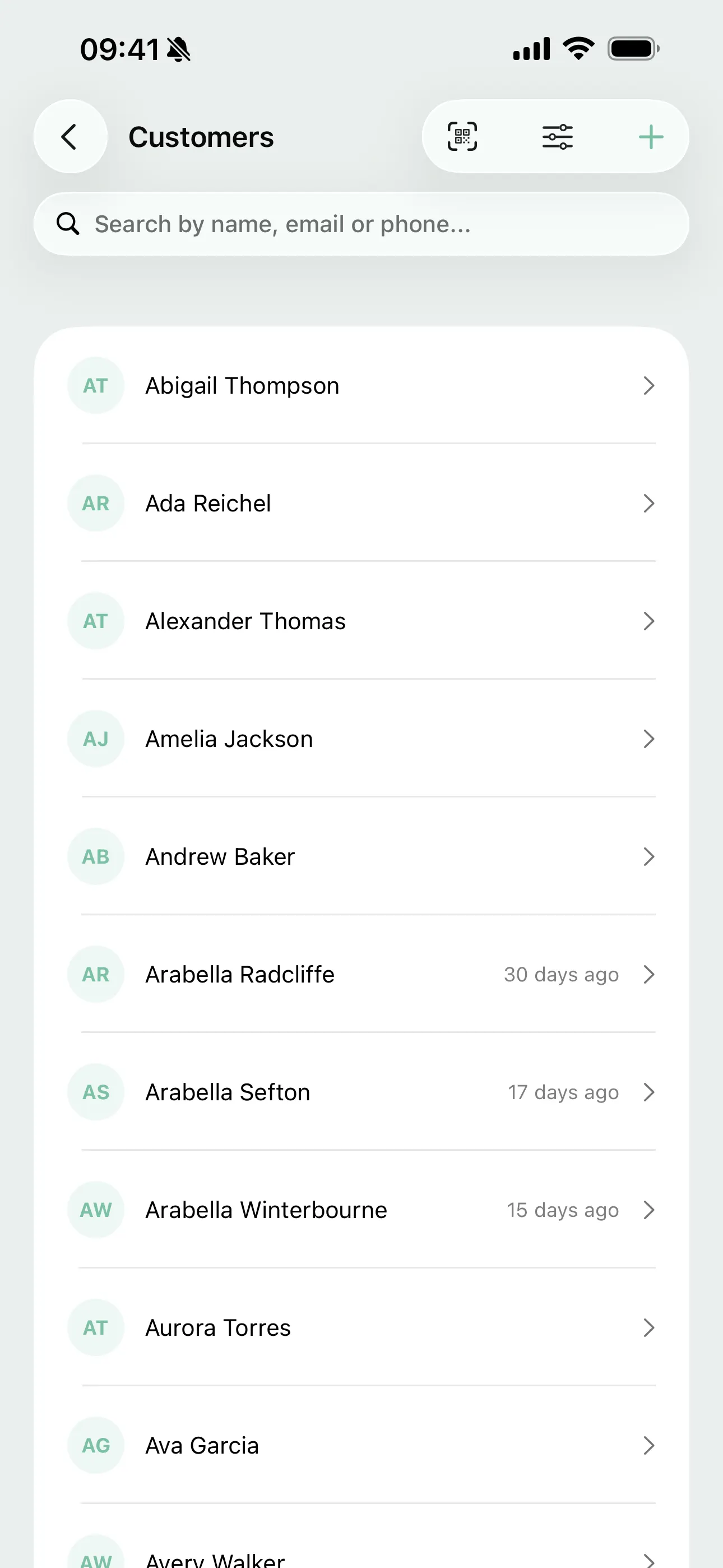
A dance school bills the same families for classes, uniform, exam entries, costumes and tickets. It keeps some of them from four years old to eighteen. The lifetime value is remarkable. The admin is five separate businesses sharing one register.
| Term | What fills the hall | What is being collected |
|---|---|---|
| Autumn | New starters, uniform fittings and the biggest intake | Class fees and uniform, plus the first mention of the show |
| Spring | Exam preparation and the best attendance of the year | Exam entries and costume deposits |
| Summer term | Rehearsals eating steadily into normal class time | Costume balances, ticket sales and programme adverts |
| Show week | The venue, the technical rehearsal and every family at once | Nothing, because everything should already be paid |
| Summer holidays | Workshops if you run them, an empty hall if you do not | Autumn fees, taken before anybody has time to reconsider |
A school that reaches show week still collecting money has turned the best event of its year into the worst fortnight of it.
Venue hire, a lighting technician, a programme and a set are all paid for weeks before a single ticket is sold. For two months the school is running a small theatre production on a dance school's cashflow.
Give it its own account. Tickets, programme adverts and a filmed recording should together cover the venue and where they do not you are quietly funding the show out of next term's class fees.
A pupil who stops does not resign. She misses a week for a birthday, then a week for a cold, then it is half term and she has quietly gone, taking eleven years of fees with her.
Two missed weeks in a row is the moment for a friendly message. It works far more often than anybody expects. After a month it becomes a conversation about coming back, which is a much harder one to have.
Three sisters across six classes is one bank account, one phone number and one set of details worth keeping straight. Schools holding pupils separately send that mother four reminders in a week and then wonder why she is short with them about the costume money.
Photo consent, emergency contacts and any medical information belong on the pupil record. They are needed at exactly the moment nobody has time to go looking, which is the fifteen minutes before a show.
A weekly dance class has a timetable and a capacity; a pass has its own rules about what it pays for. Test the two together. Check whether buying a pass also reserves a place or whether the student still needs to book each class.
For a parent booking a child, inspect who appears on the class list and who receives the booking message. Use the supported parent and child workflow rather than assuming a shared surname is enough to identify the attendee.
Each of these sits in the same account, so a booking, its payment and the client record stay together.
A public timetable for every class, with capacity per session and online booking.
Set a class once with its day and time and the sessions for the weeks ahead are created for you.
Class packs with a set number of credits or a monthly membership through Stripe for regular dancers.
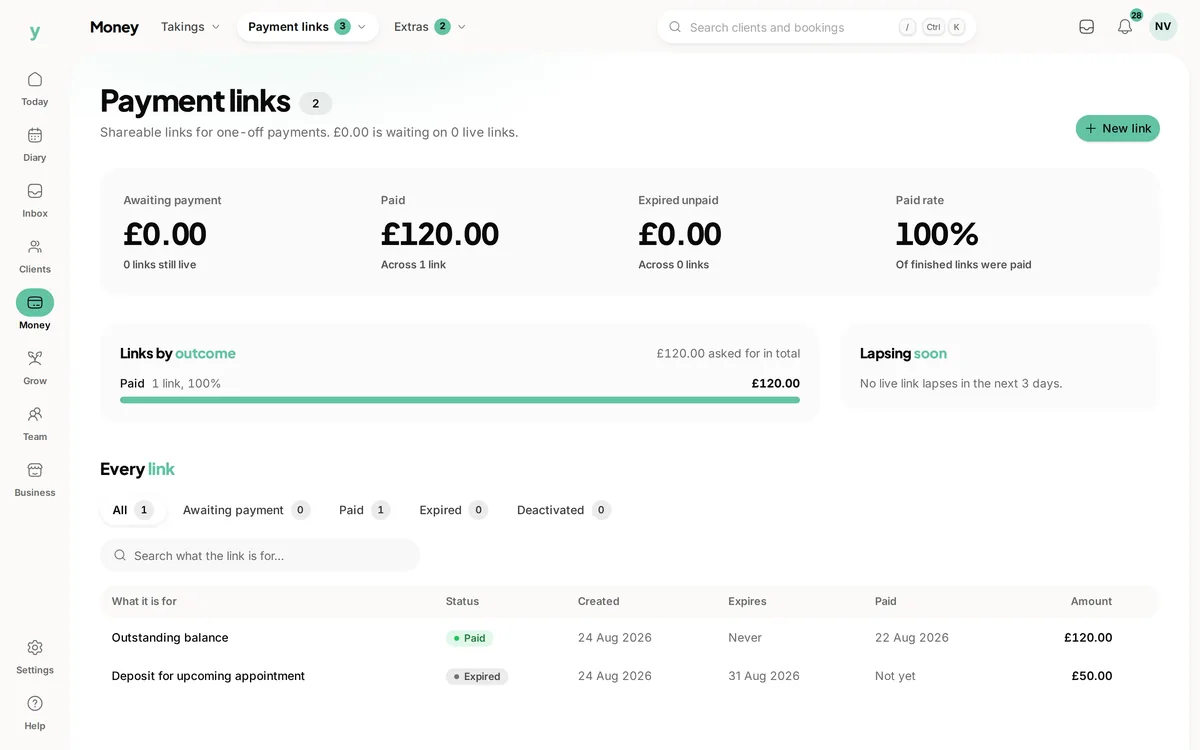
Parents pay when they book a place, so the register and the takings match.
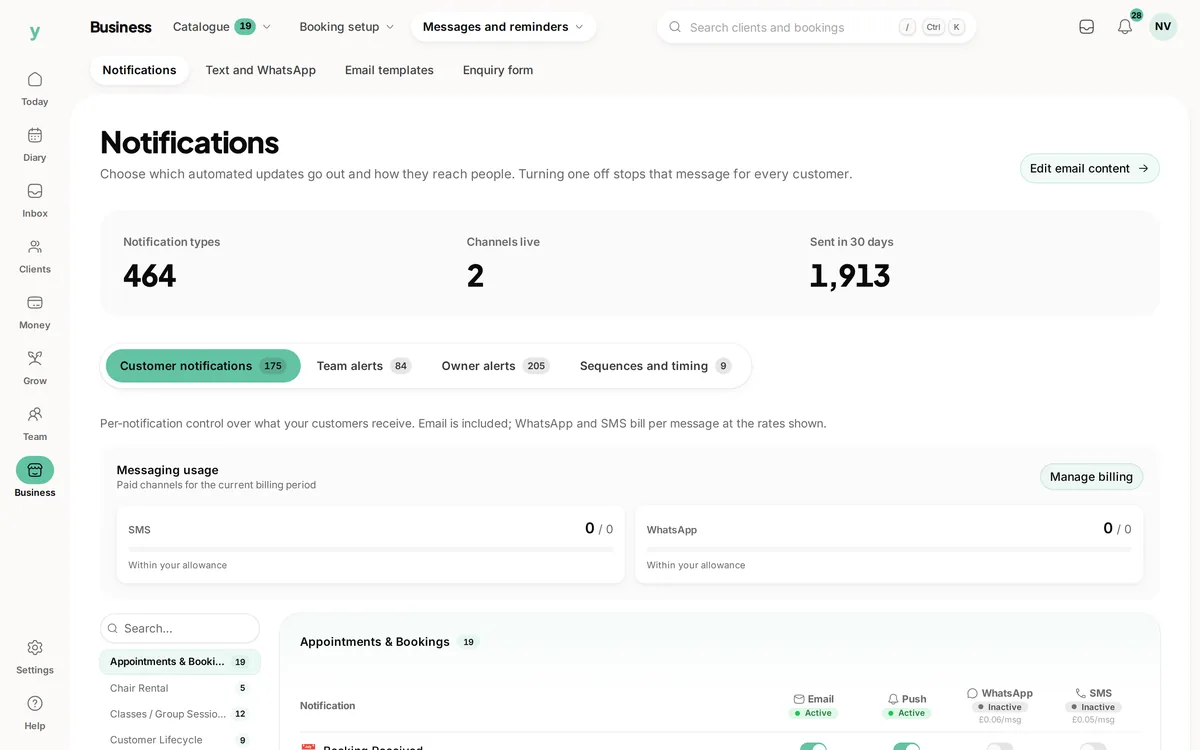
Reminders before each class by email, SMS or WhatsApp.
A child under 16 joins a class with a parent attached and the parent's consent is recorded.
The details that usually slow down a move: setup, pricing, bookings, records and how Youzse fits into your day.
Yes, as a class pass with a credit for each week of term, paid up front. Students then book each class against it.
Try every feature on your plan free for 30 days, with no card needed.
We value your privacy
Cookies keep Youzse running, improve the platform and help deliver relevant content. Read our privacy policy and cookie policy.