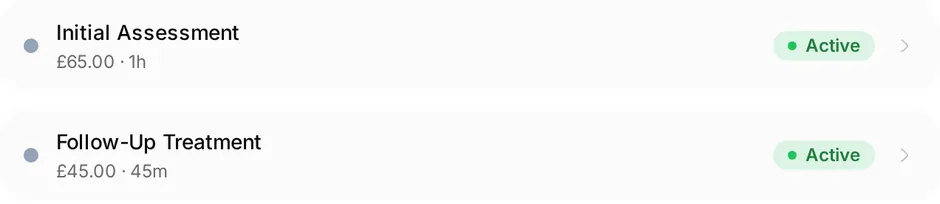
 Follow-up treatment at £45
Your services, priced and timed
Initial assessment and follow-up treatment each carry a price, a length and a category, ready to book online.

Book the course as a series, then invoice insurers, employers and self-funding patients on their own terms.
No commission on new clients. No per client charges.
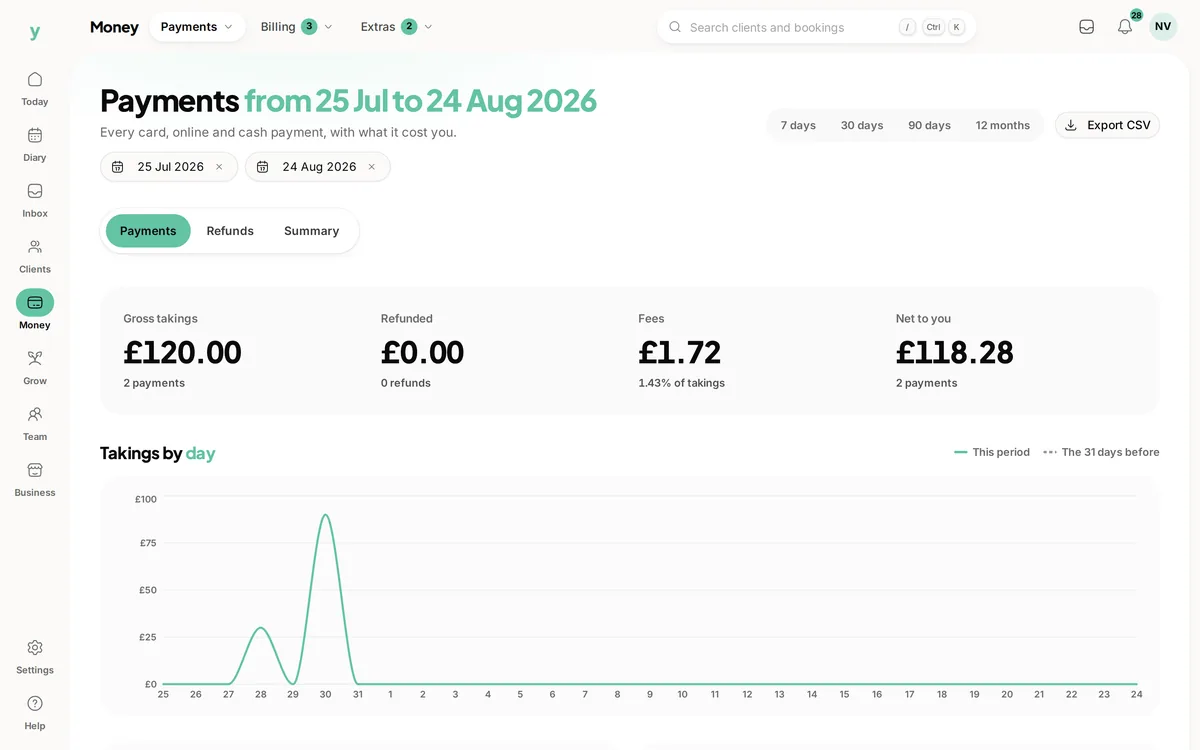
One monthly subscription. 2.5% + 35p on standard UK cards, only when you take a card payment.

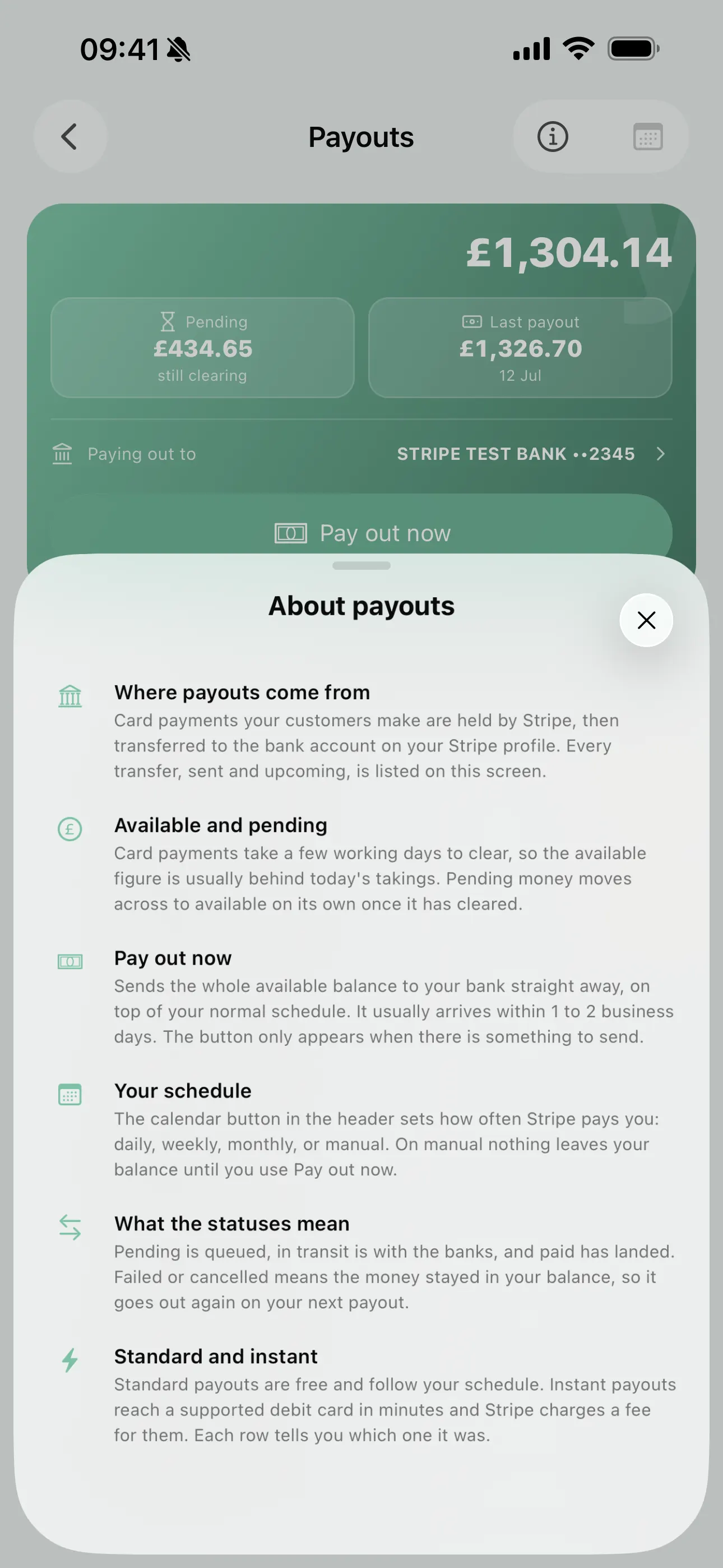
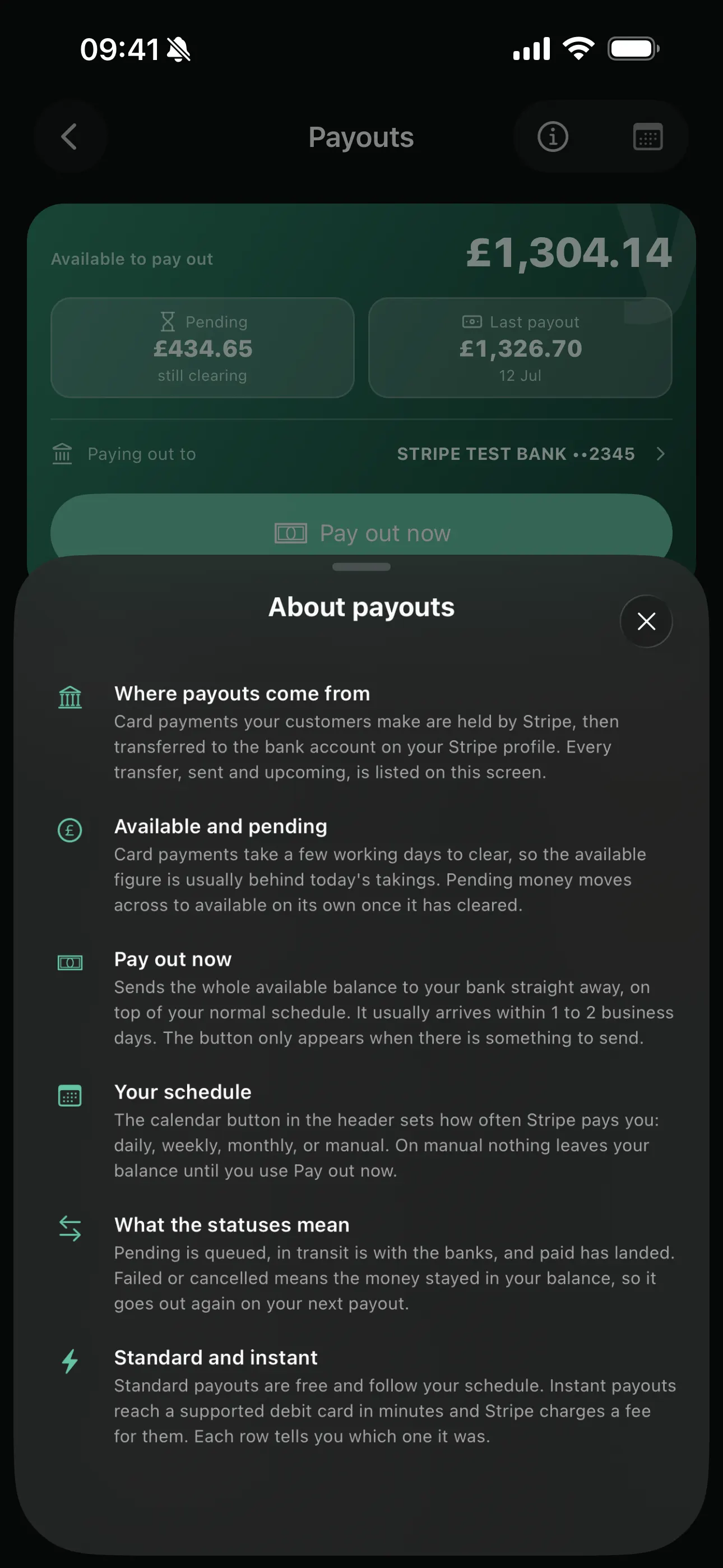
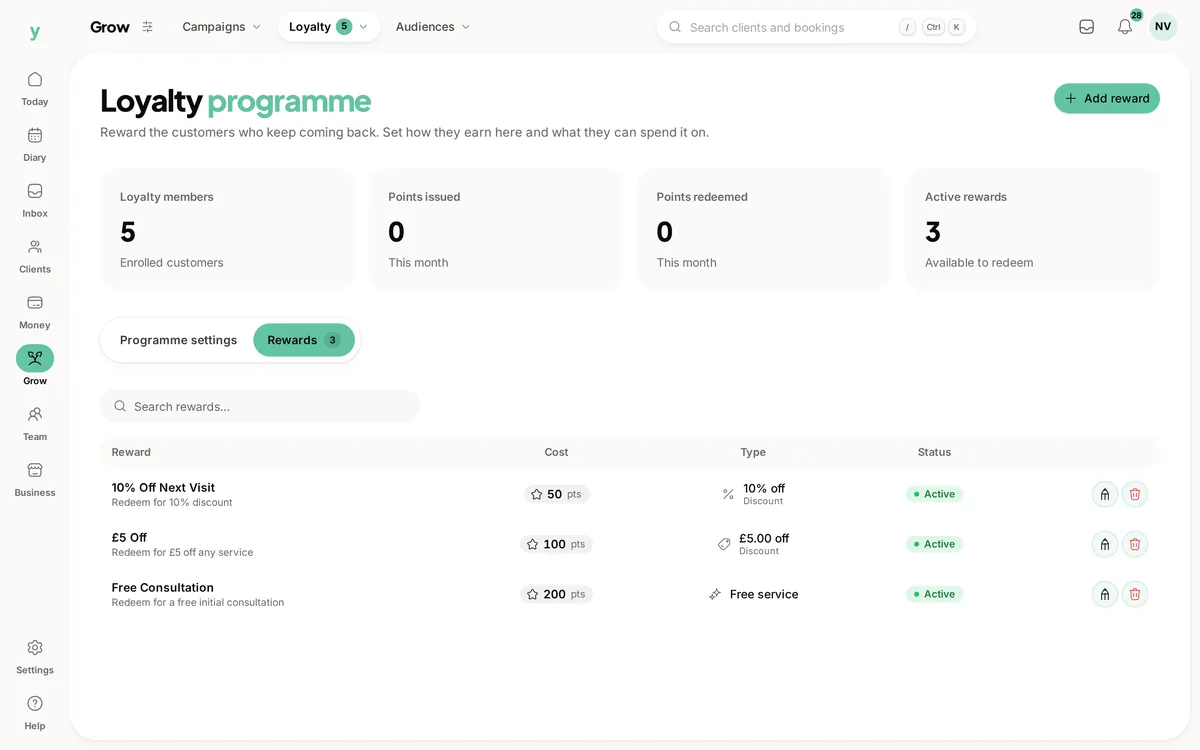
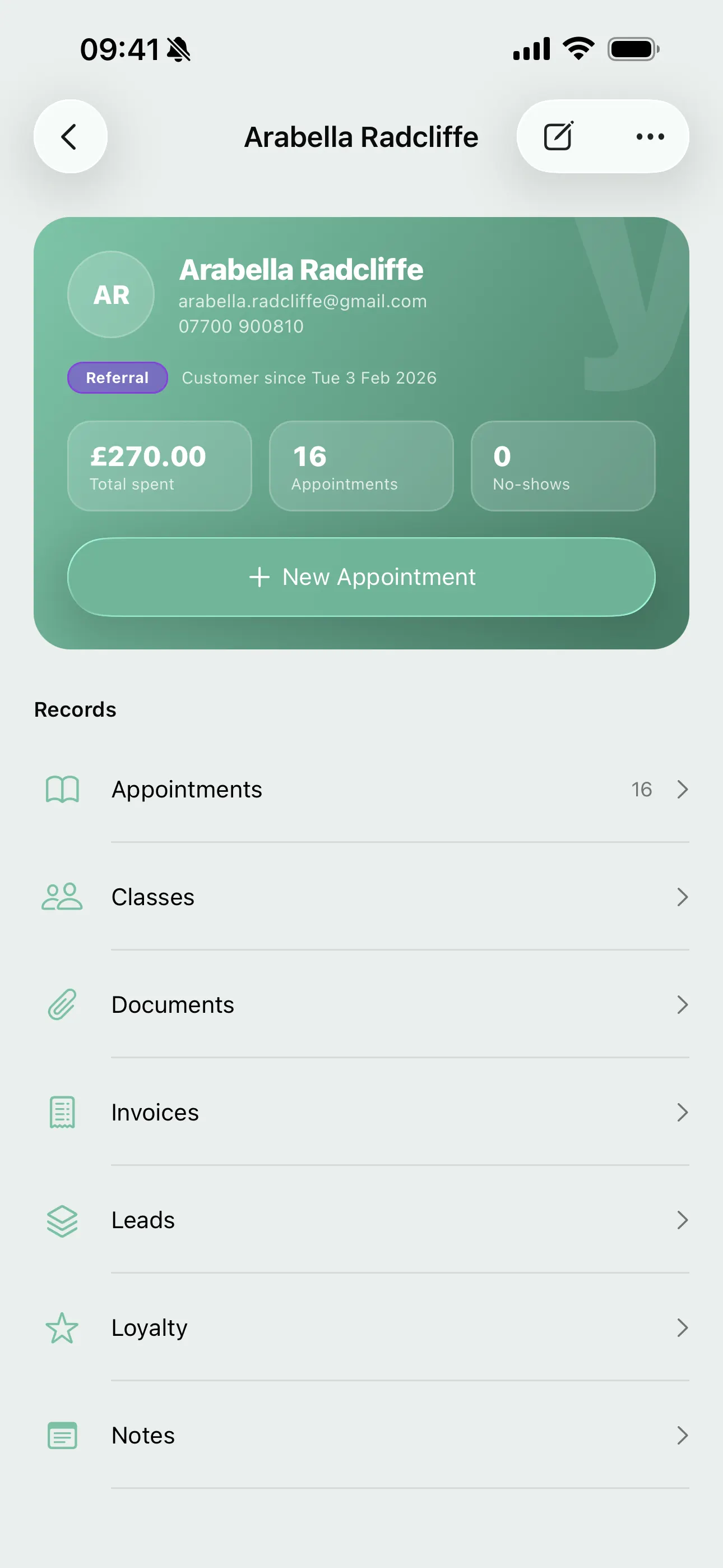
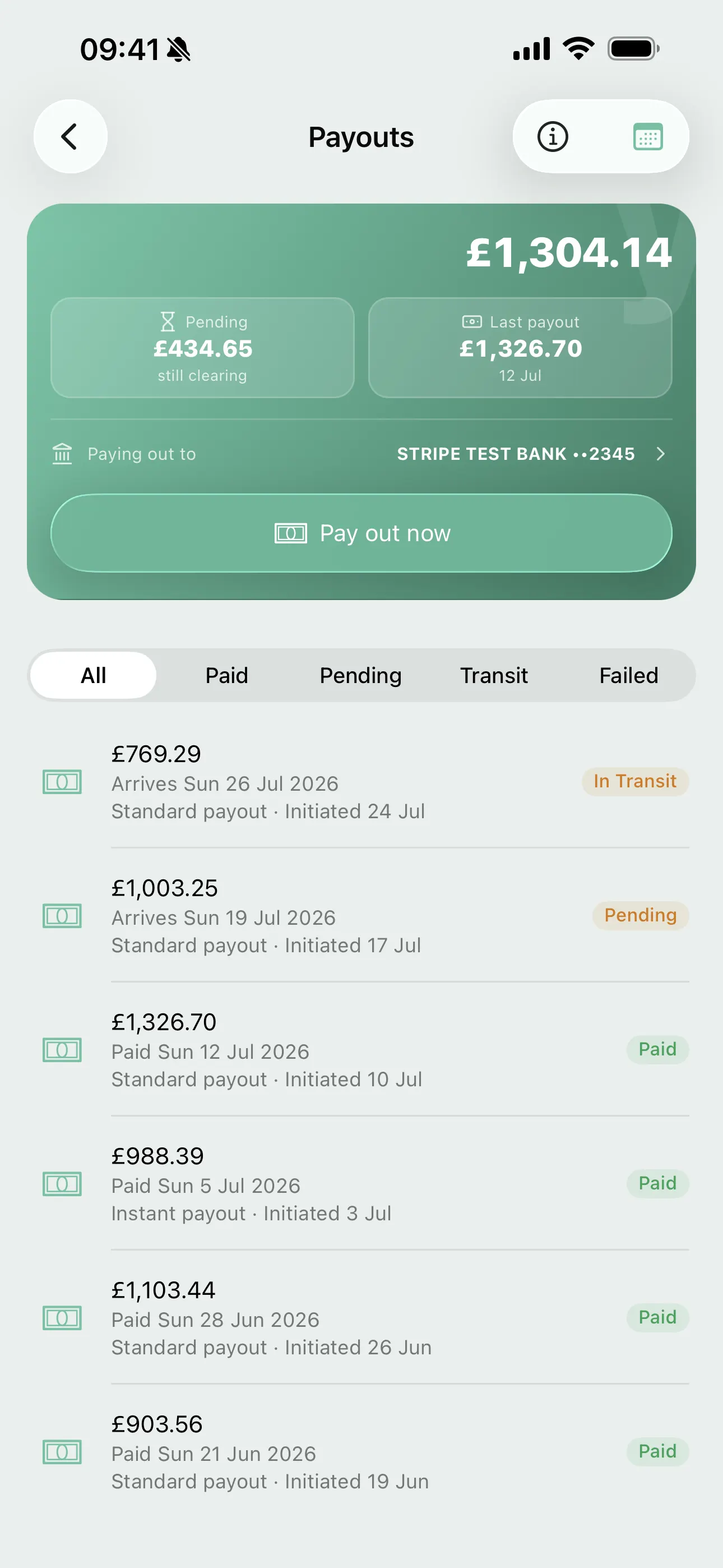
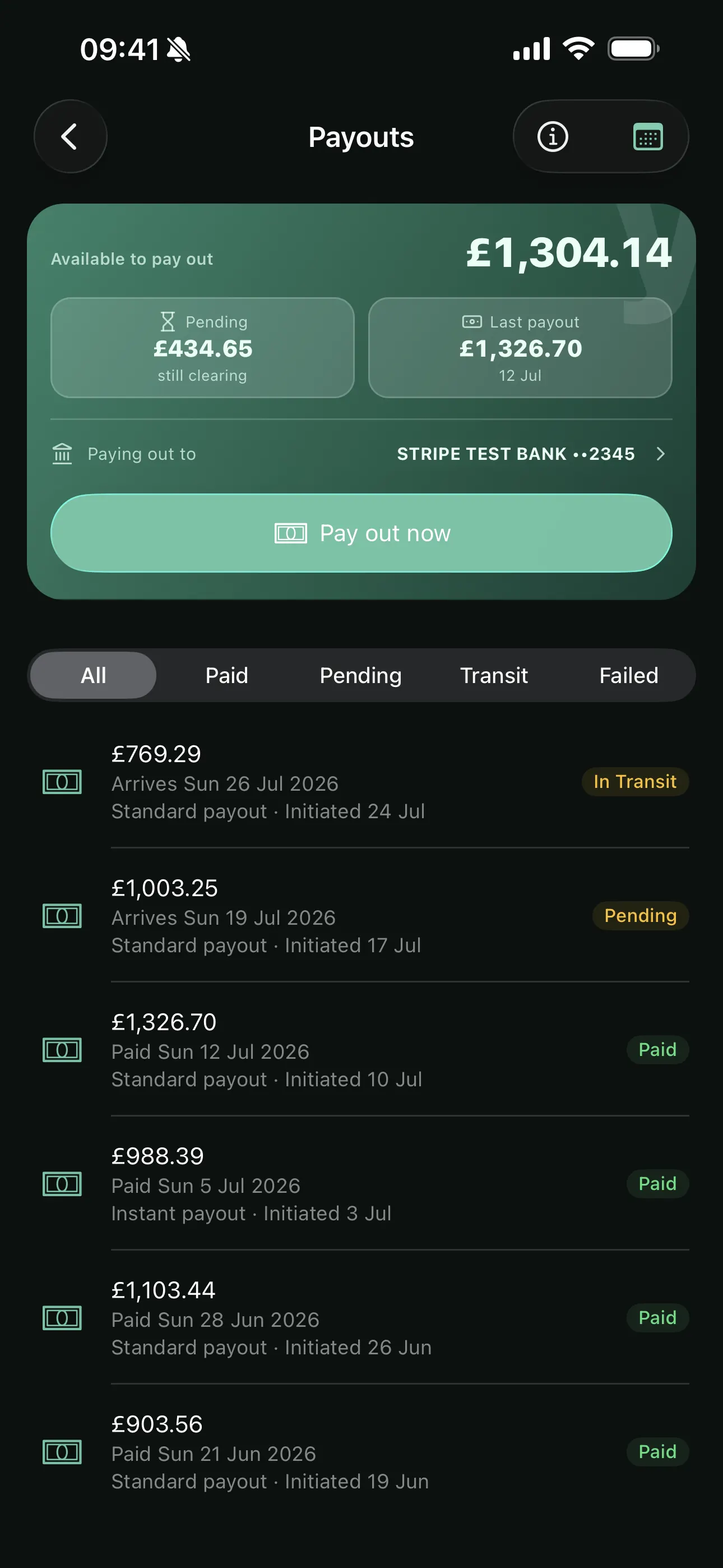
Real screens from ActiveRecover Physio, our demo physio practice, with the numbers it shows today.
Follow-up treatment at £45Initial assessment and follow-up treatment each carry a price, a length and a category, ready to book online.
 Waiting for your reply
Every review names who it was with and what was booked, this one for follow-up treatment. Reply from the same screen.
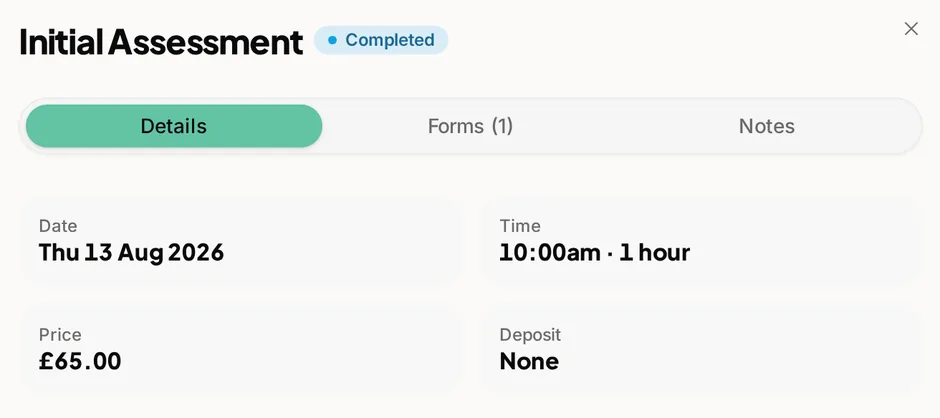 Initial assessment, 1 hour
Open any appointment to see the service, time, length, price and deposit, with the client and their history a scroll away.
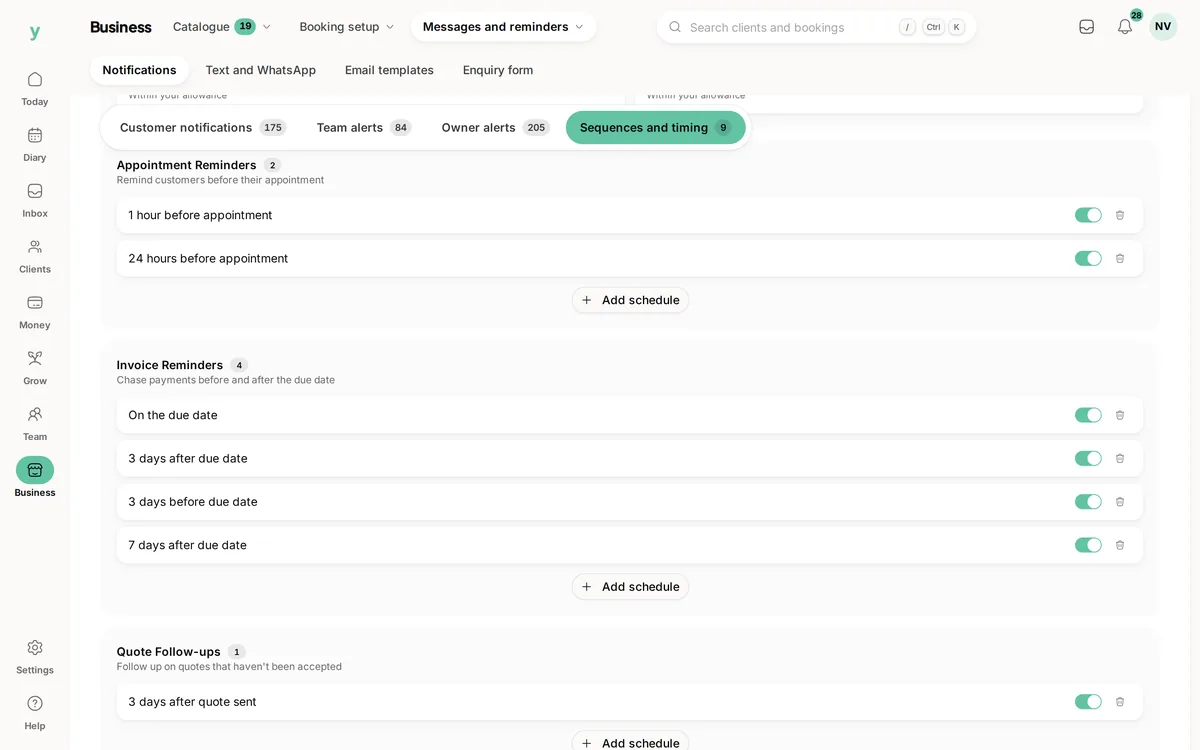
A referral arrives, the assessment is booked and the course goes in as a series rather than one session at a time. Insurers and employers are invoiced on their own terms and overdue ones chase themselves.
Unlimited patients on every plan.
One monthly subscription. 2.5% + 35p only when you take a card payment.
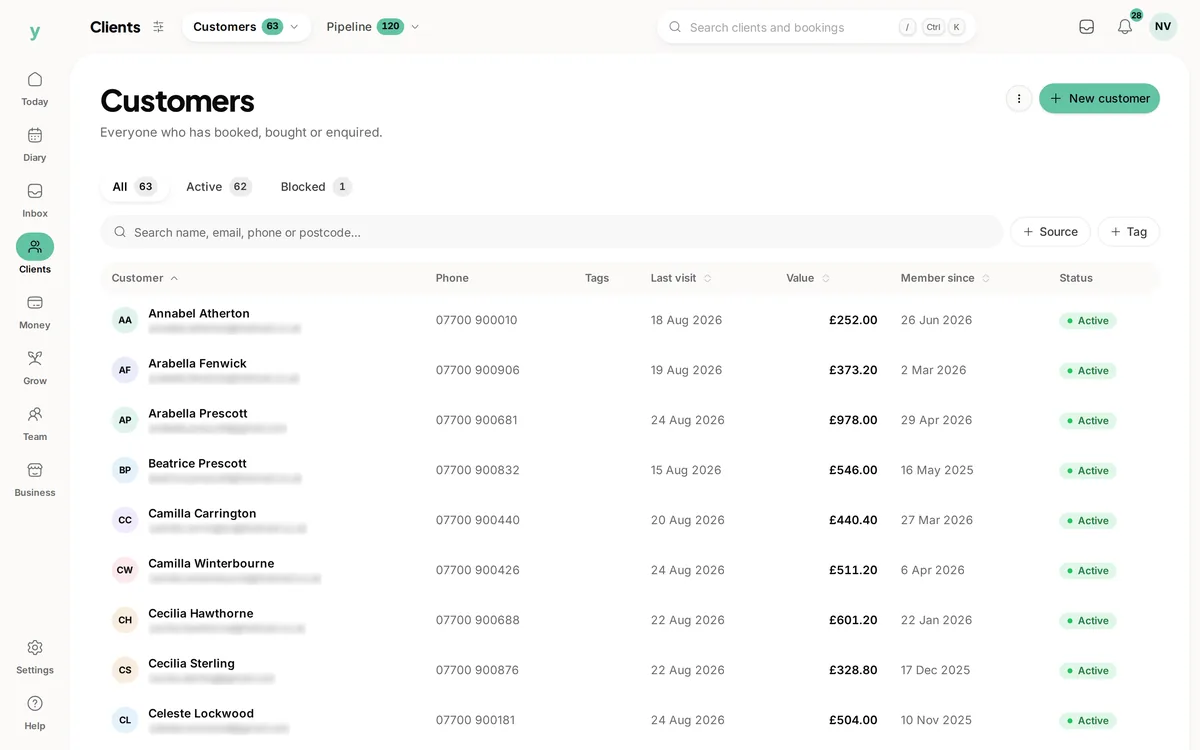
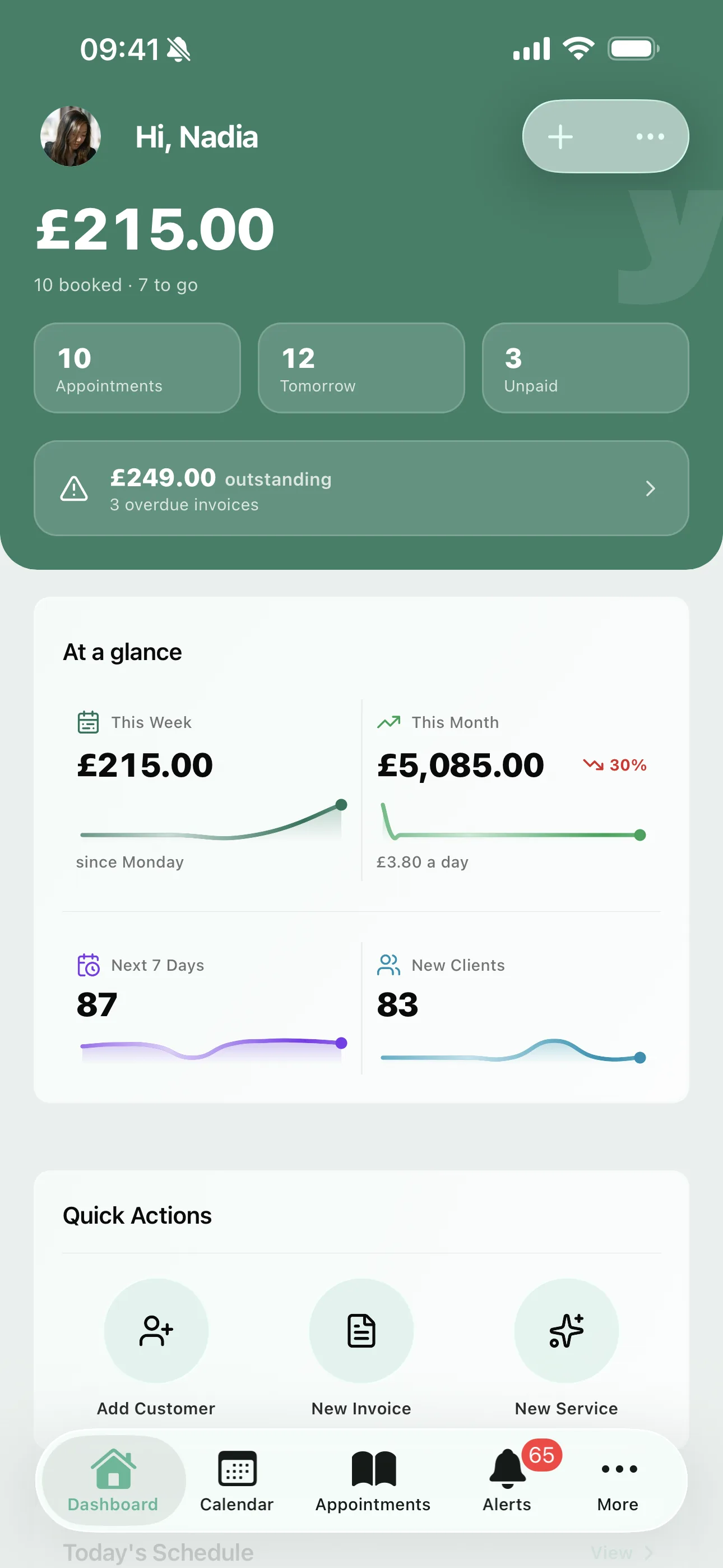
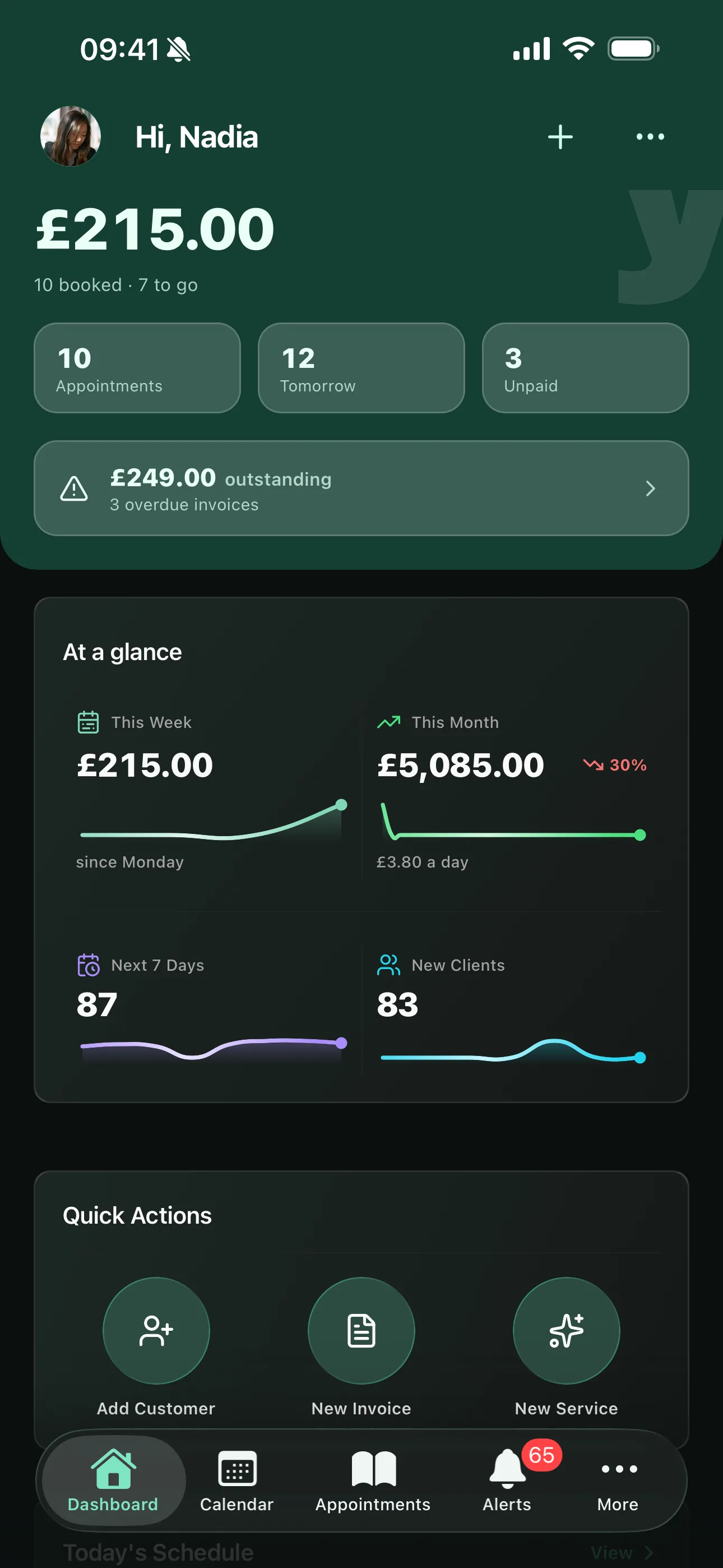
Physio is an assessment followed by a course of treatment, often with an insurer or an employer paying rather than the patient. Invoice the right payer, take card from the ones who self-fund and stop carrying unpaid sessions.
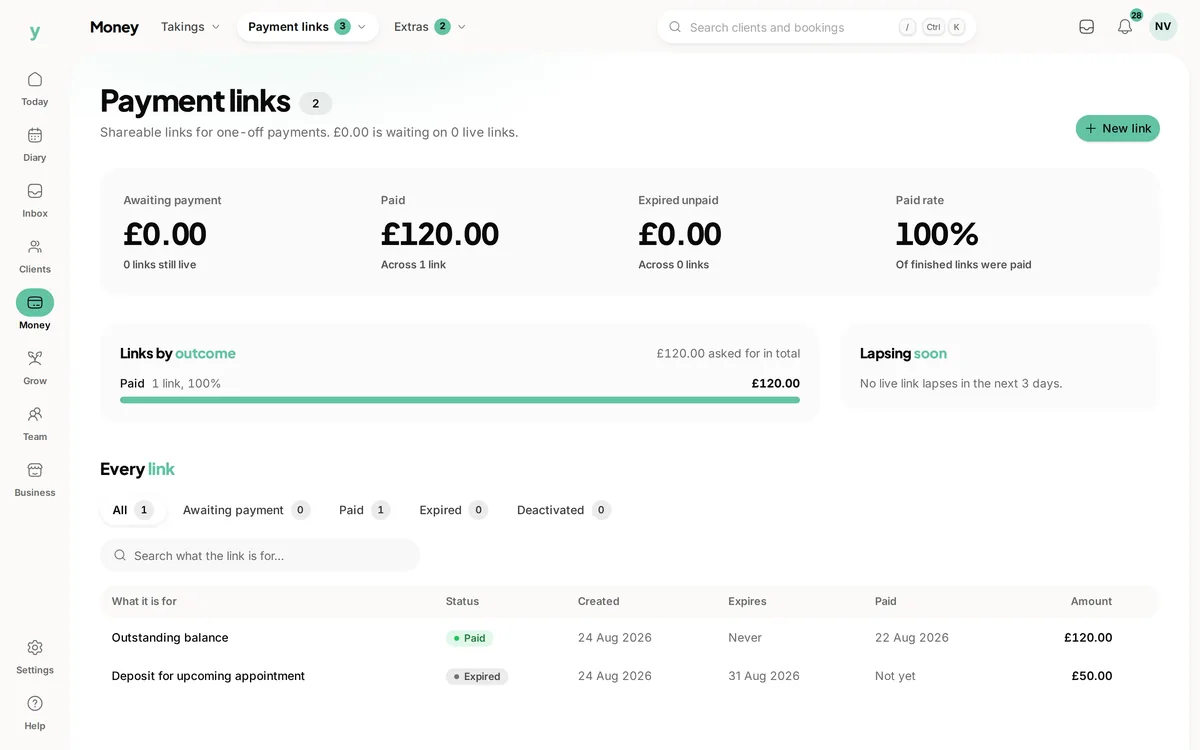
Invoices chase themselves.
2.5% plus 35p on standard UK cards, with the platform fee inside it.
Patients who stop halfway do not get better and do not come back. Notes, exercises and progress live on one record and reminders keep the course on schedule rather than drifting into next month.
Clinical records handled to UK GDPR.
Unlimited customer records on every plan, yours to export at any time.
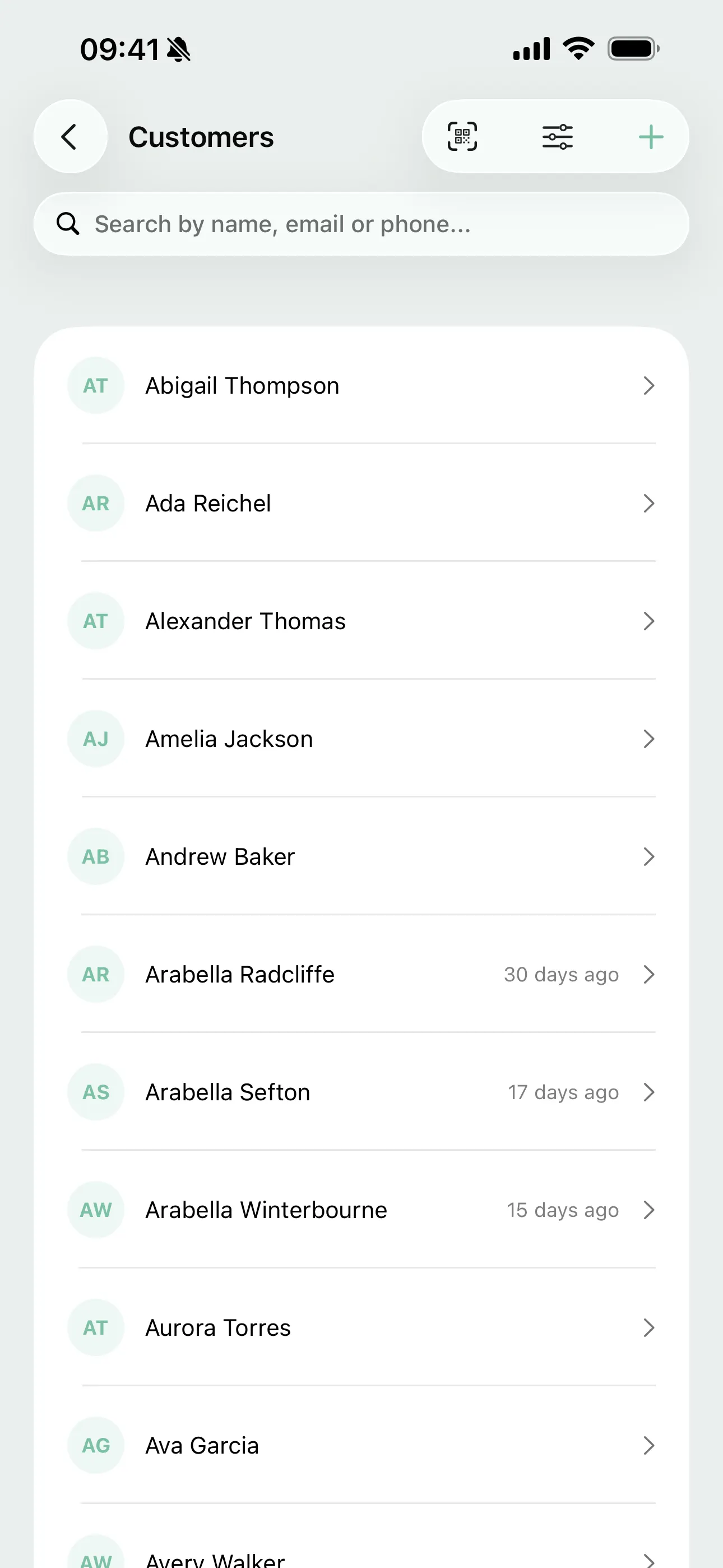
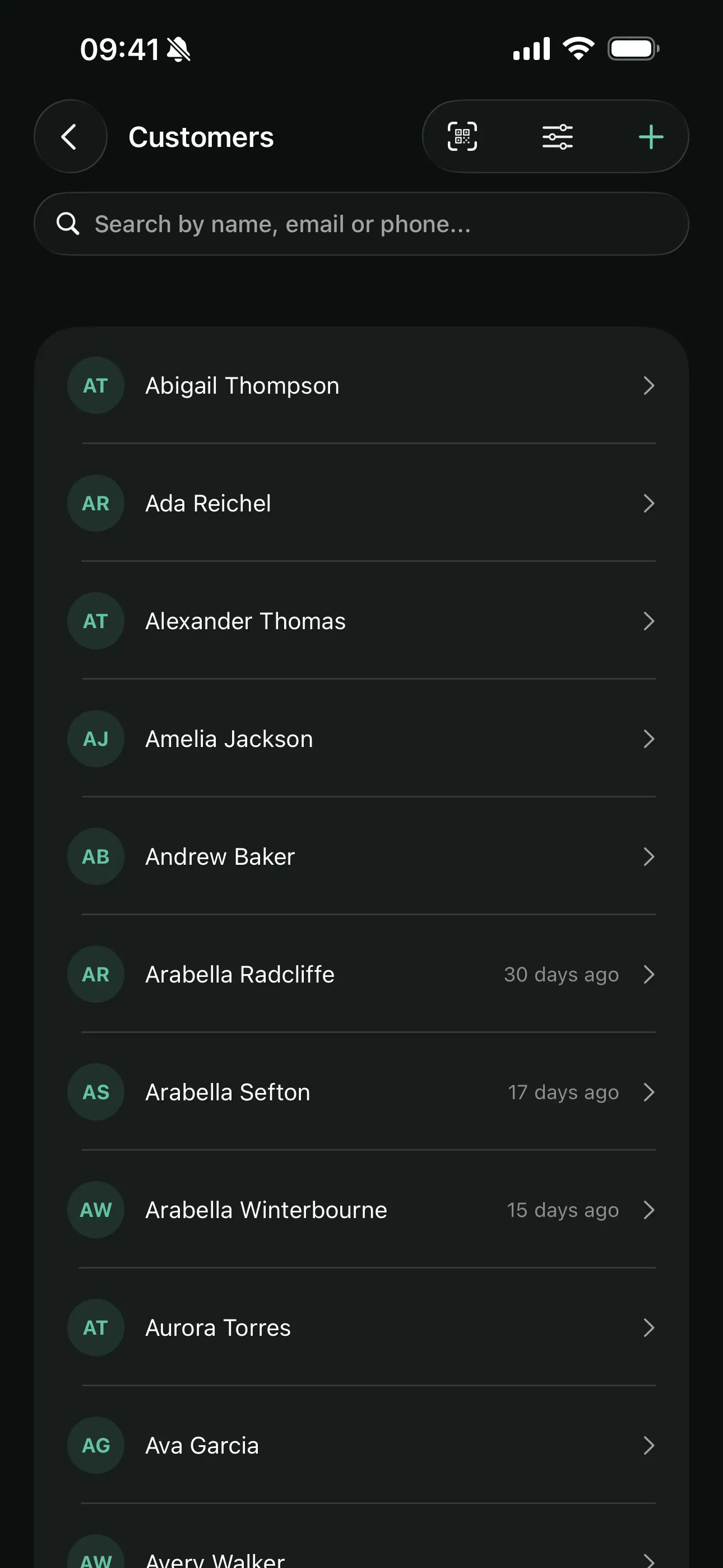
A physiotherapist is usually the third party in the room. The patient is on the plinth, a GP or a consultant sent them and an insurer or an employer is paying, which makes physiotherapy an invoicing problem as much as a clinical one.
A self-funding patient pays on the day. A private medical insurer pays against an authorisation number, a provider number and a session cap. An employer pays on thirty day terms against a purchase order and will never reply to a text message.
Capturing the authorisation and the reference at booking is what separates a clinic that gets paid from one carrying six weeks of treatment it cannot invoice.
Session caps matter clinically as well. If a policy funds six sessions and the presentation needs ten, that is a conversation for session two rather than session six.
| Payer | What they need from you | When the money arrives |
|---|---|---|
| Self-funding patient | A price and a card | On the day or up front as a block |
| Private medical insurer | Authorisation number, provider number, session cap | On their remittance cycle, weeks later |
| Employer or occupational health | Purchase order, invoice on terms, outcome report | Thirty days, if the invoice is right first time |
| Solicitor or medicolegal | A detailed report written against the instruction | On settlement, sometimes much later |
A clinic mixing all four has to capture the reference at booking, because nobody ever finds an authorisation number retrospectively.
Most of a rehabilitation takes place between appointments. A programme the patient cannot find is a programme they will not do. The clinic still carries the outcome.
Put the exercises on the record alongside the plan and send them out with the appointment confirmation. Progression belongs there too, so that week four is not a repeat of week one.
A course that drifts from weekly to fortnightly is not the same treatment delivered more slowly. It is a different and worse one.
Good physiotherapy aims to stop. A patient discharged at the right point with a home programme that works is the outcome you want. It is the one that produces referrals.
They do come back. Runners return with a different injury, desk workers return with the same neck and post-operative patients return for the other knee. Keep the record so the second episode starts from what you already know.
Clinical notes are special category data. Consent for the purpose, restricted access and a retention period that is actually enforced are legal requirements, not good manners.
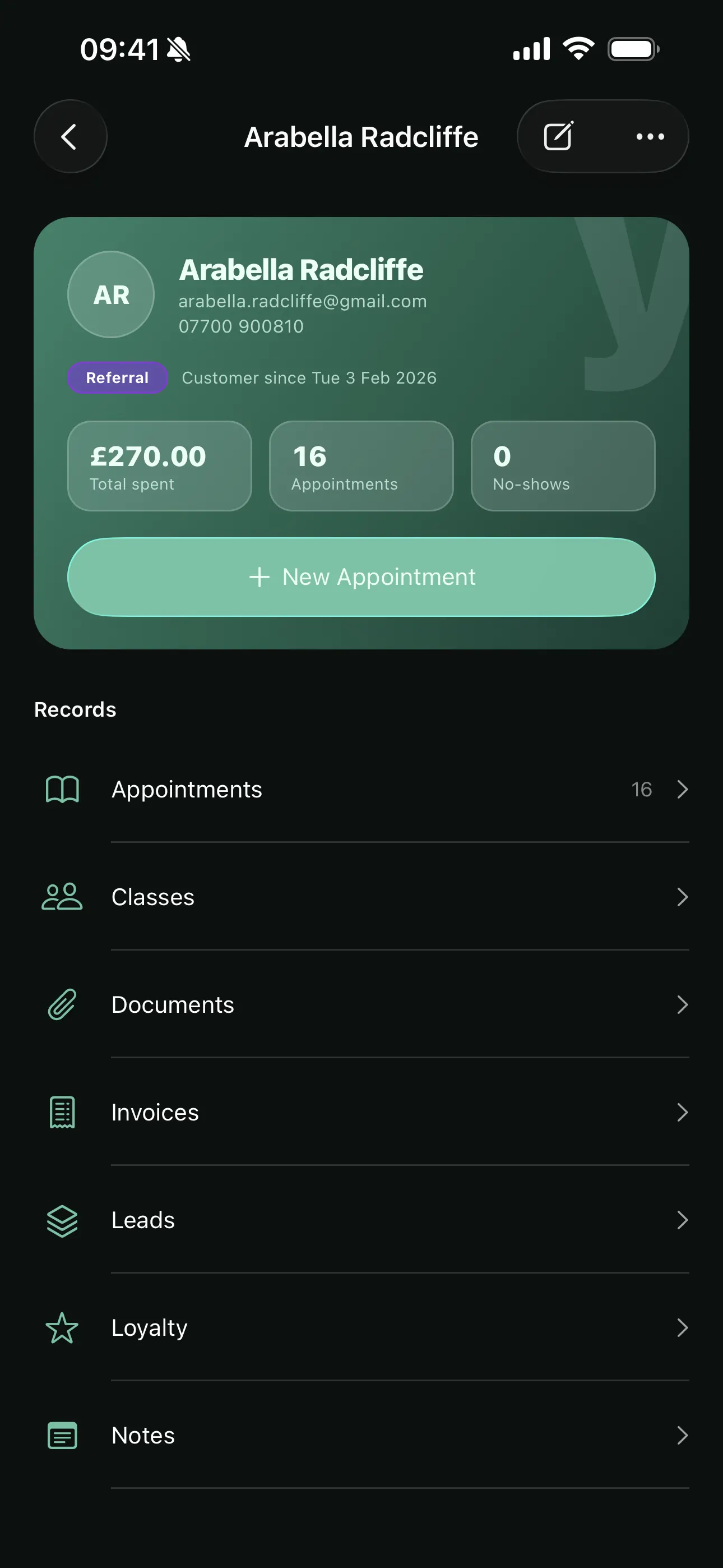
Each of these sits in the same account, so a booking, its payment and the client record stay together.
Patients book an assessment online. You set up a run of weekly follow ups in one go.
A deposit on the initial assessment, card payment at the end of each session and a receipt by email.
Assessment findings and progress notes in encrypted notes, with the medical history form on the same record.
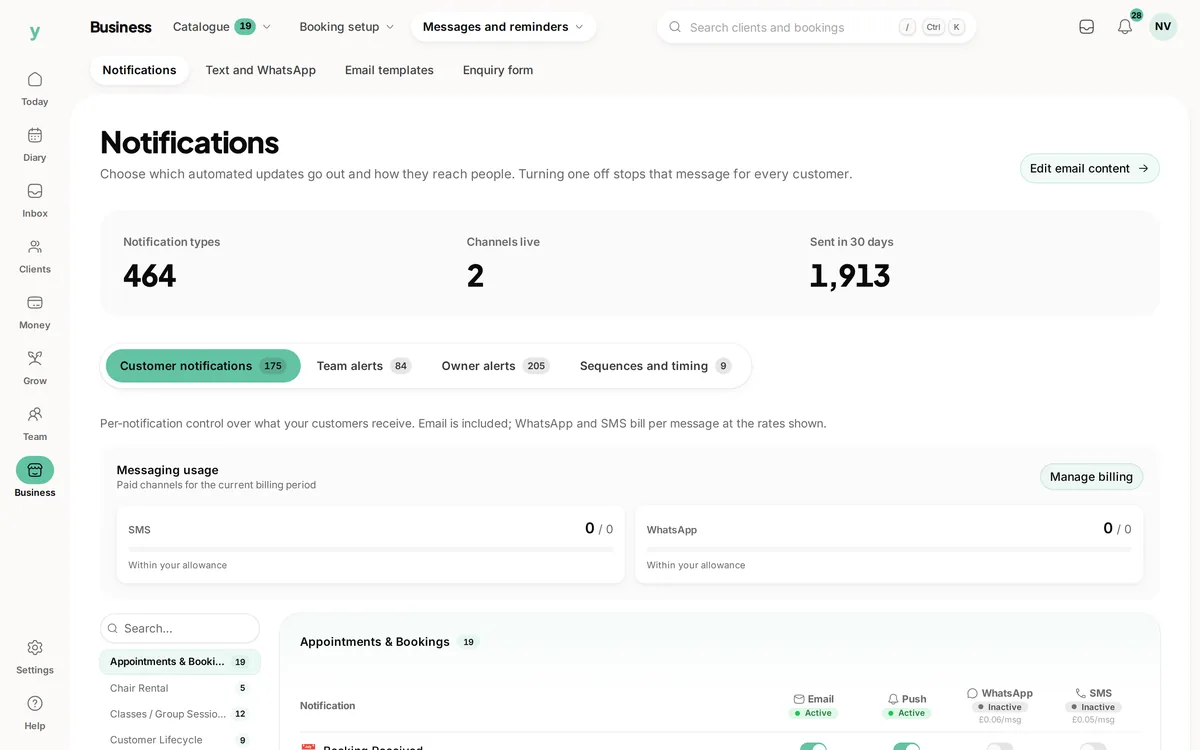
Reminders before each session by email, SMS or WhatsApp cut the gaps in a clinic diary.
A monthly plan through Stripe that gives patients on ongoing care a discount on every session.
Health records need explicit consent and every access is logged. Patients can download a copy of their own data.
The details that usually slow down a move: setup, pricing, bookings, records and how Youzse fits into your day.
Yes. Block bookings let patients reserve a course of treatment in one go, so the plan stays on track.
Try every feature on your plan free for 30 days, with no card needed.
We value your privacy
Cookies keep Youzse running, improve the platform and help deliver relevant content. Read our privacy policy and cookie policy.