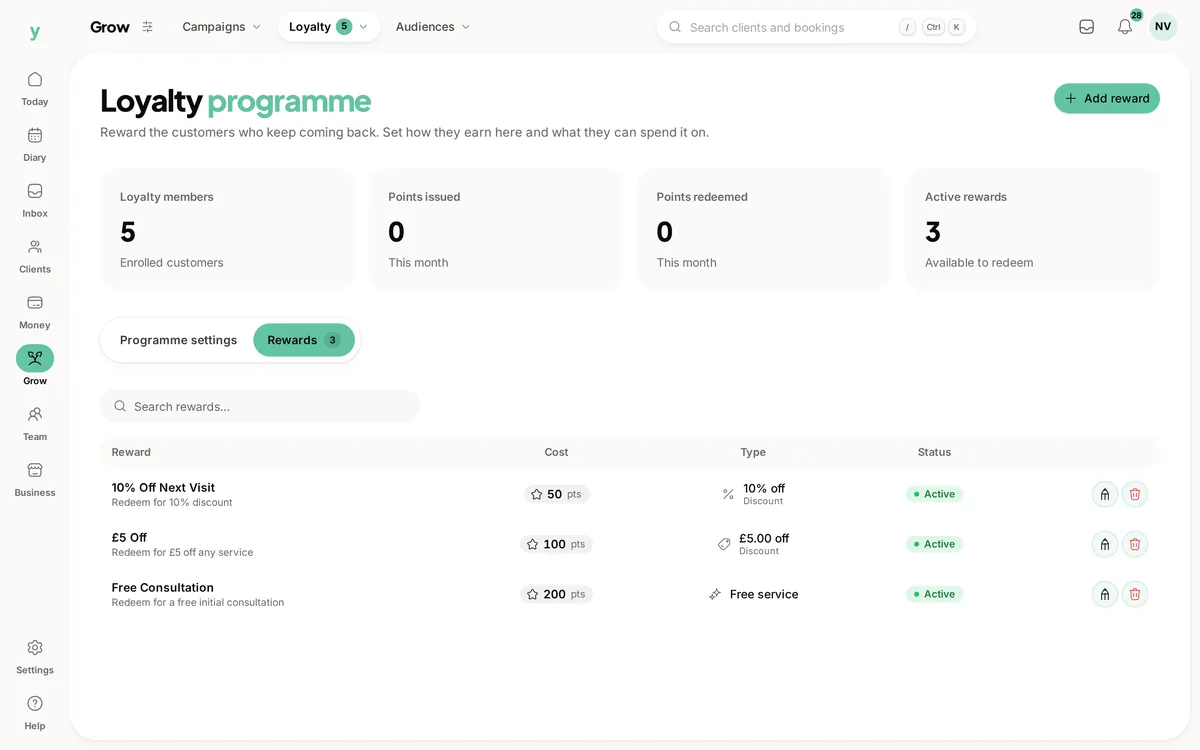
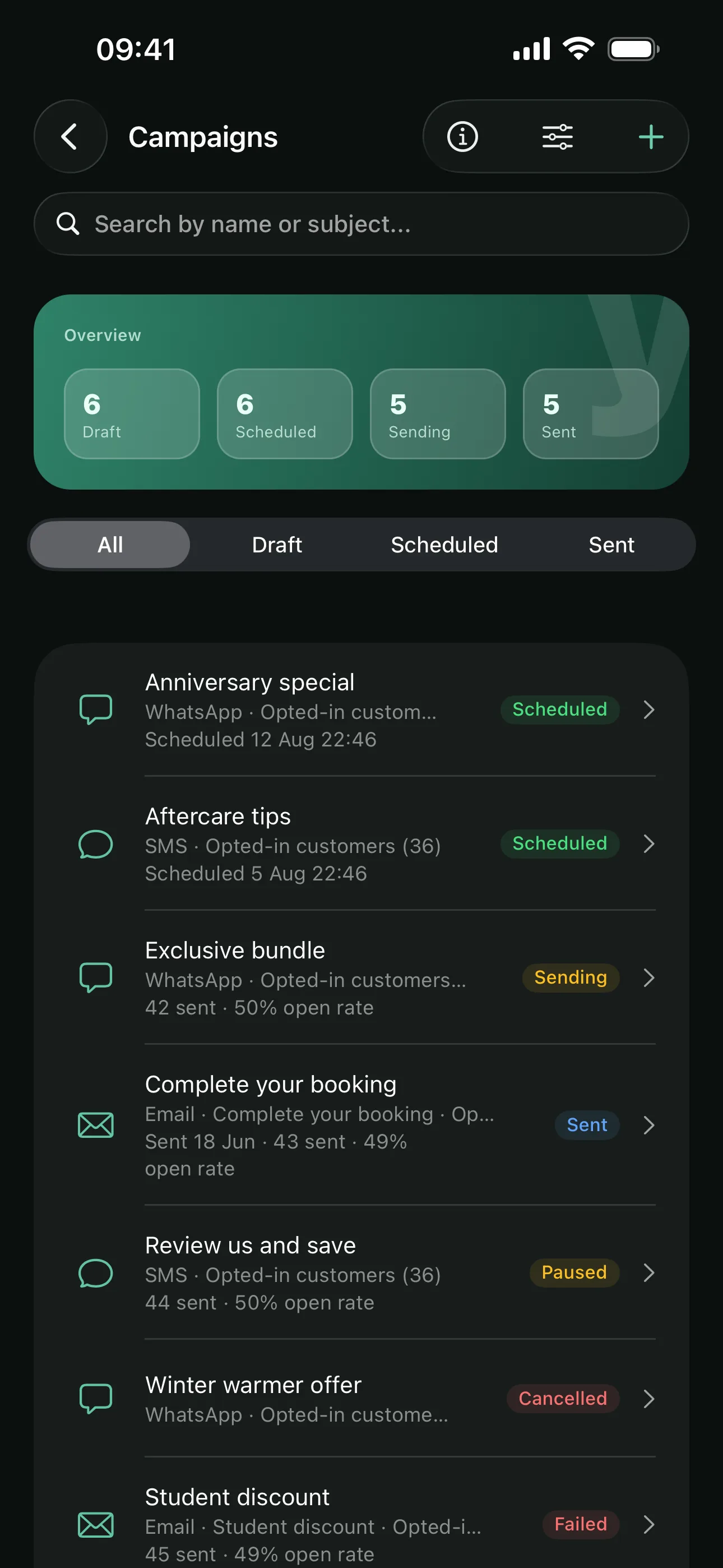
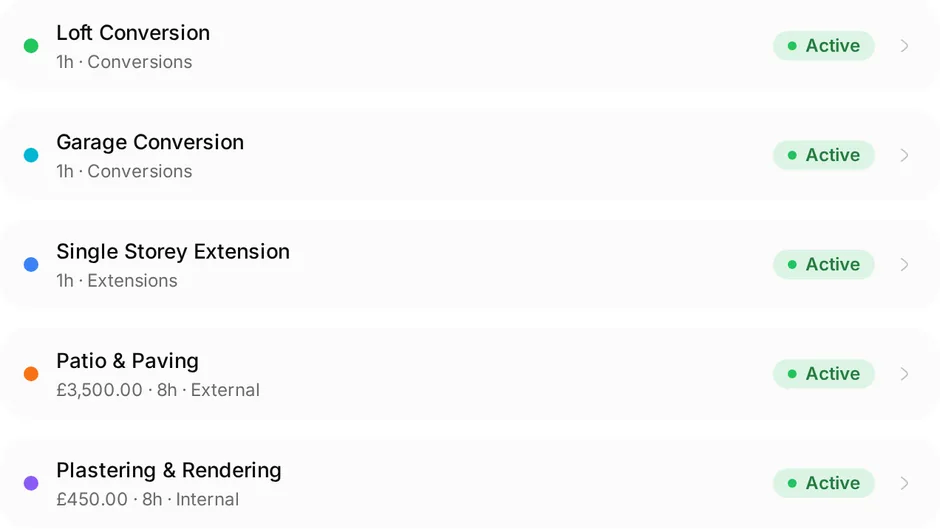
 Patio & paving at £3,500
Your services, priced and timed
Patio & paving, plastering & rendering and the rest of the menu each carry a price, a length and a category, ready to book online.

Capture enquiries, send professional quotes, take a deposit to confirm and invoice on completion. One place for the whole job from first call to final payment.
No commission on new clients. No per client charges.
One monthly subscription. 2.5% + 35p on standard UK cards, only when you take a card payment.

Real screens from Solid Foundations Building, our demo building firm, with the numbers it shows today.
Patio & paving at £3,500Patio & paving, plastering & rendering and the rest of the menu each carry a price, a length and a category, ready to book online.
 Replied to from the app
Every review names who it was with and what was booked, this one for kitchen fitting. Reply from the same screen.
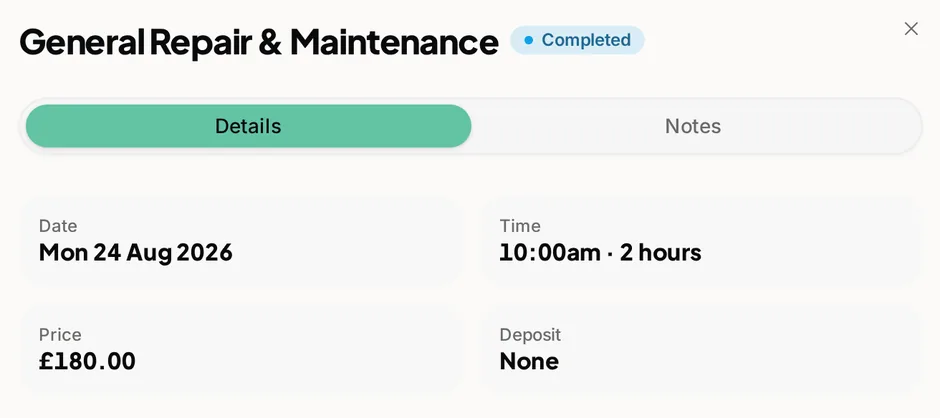 General repair & maintenance, 2 hours
Open any job to see the service, time, length, price and deposit, with the client and their history a scroll away.
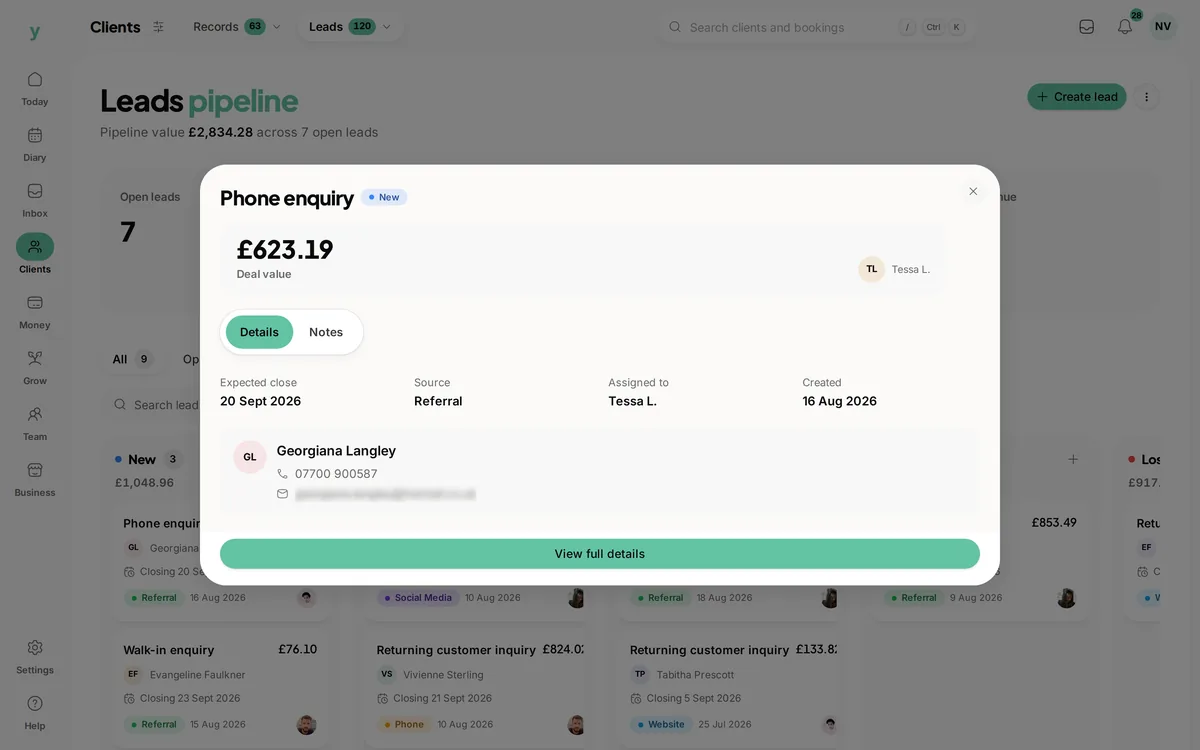
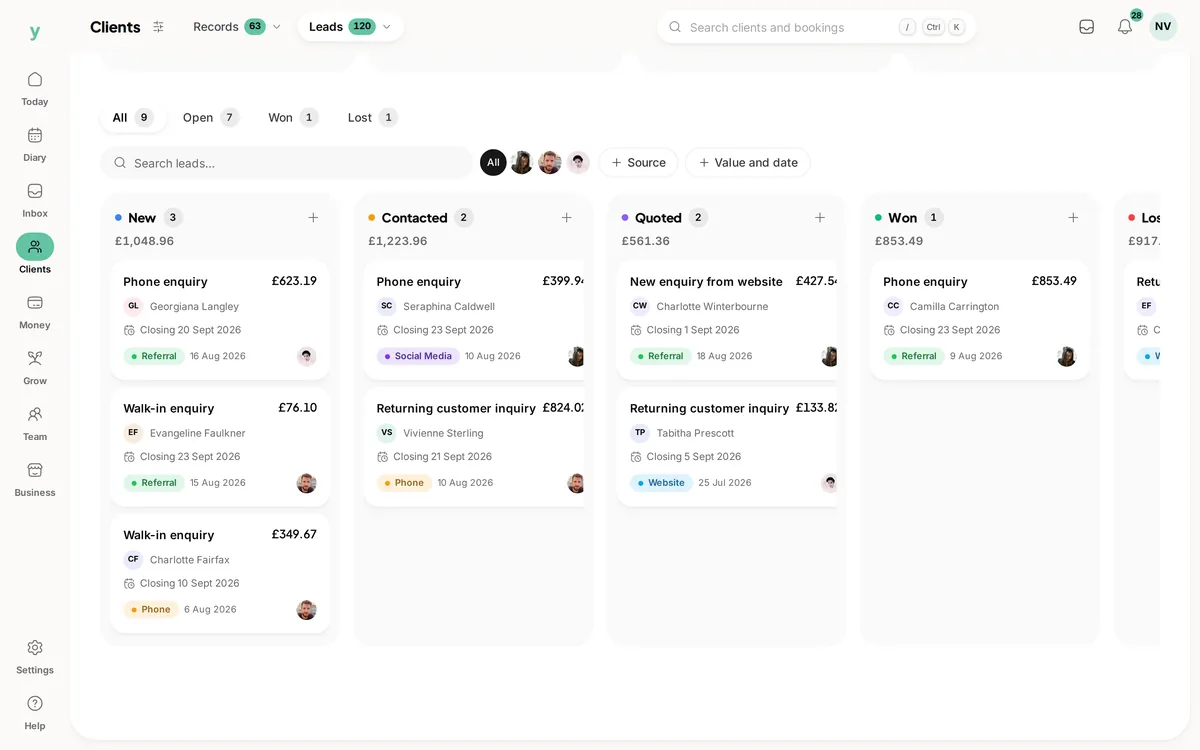
Every enquiry lands in one inbox. Send a professional quote, confirm the job with a deposit and schedule the work, then invoice the balance when it is done. No more chasing on scraps of paper.
No commission on new customers. No per job charges.
One monthly subscription. 2.5% + 35p only when you take a card payment.
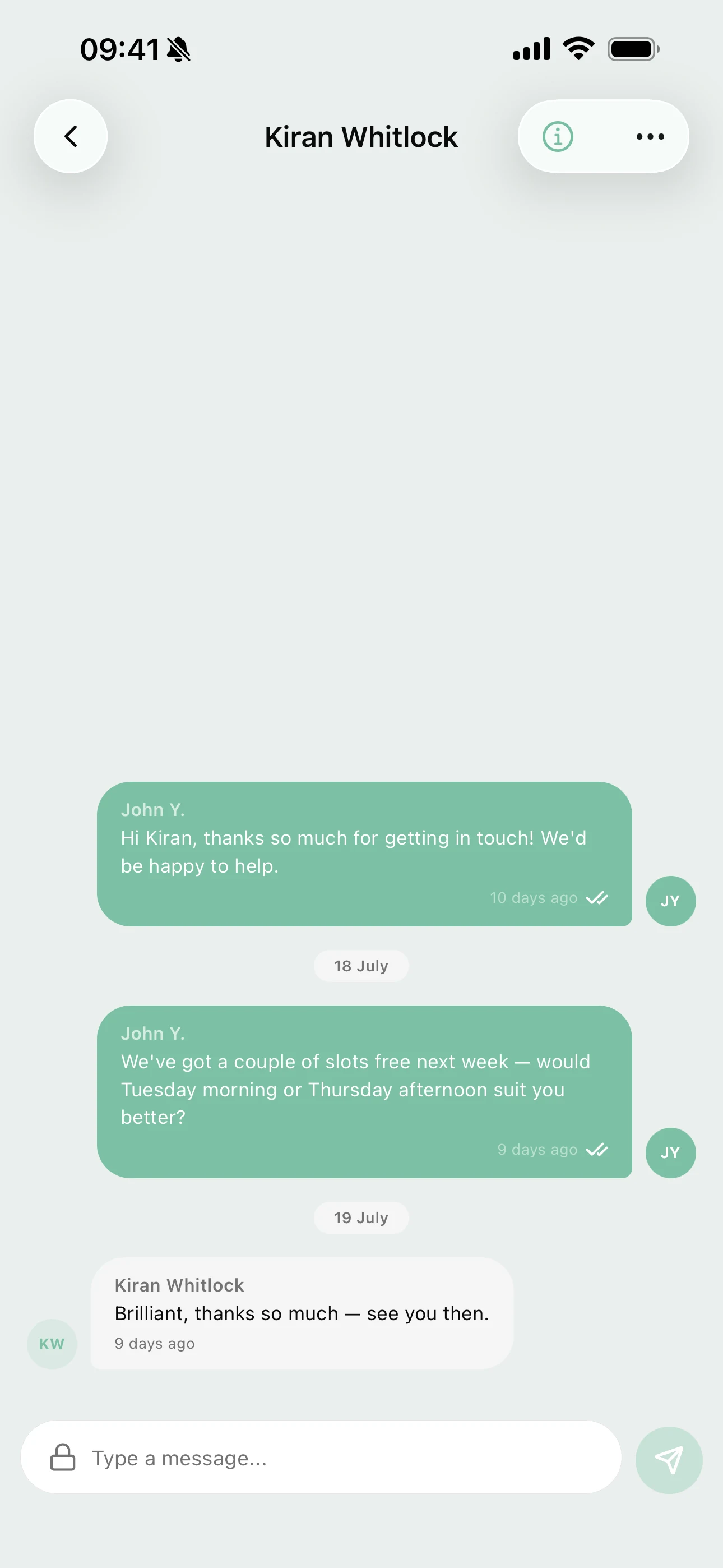
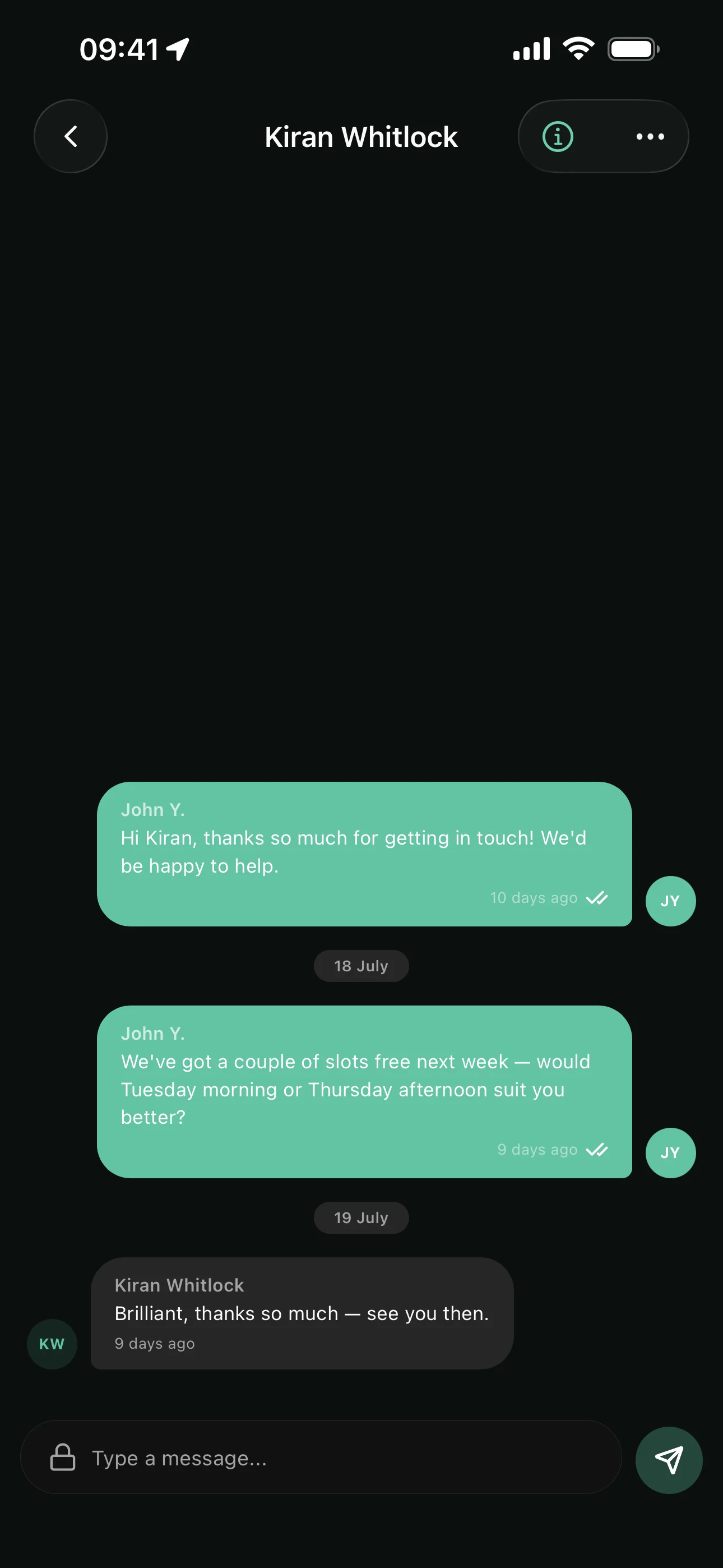
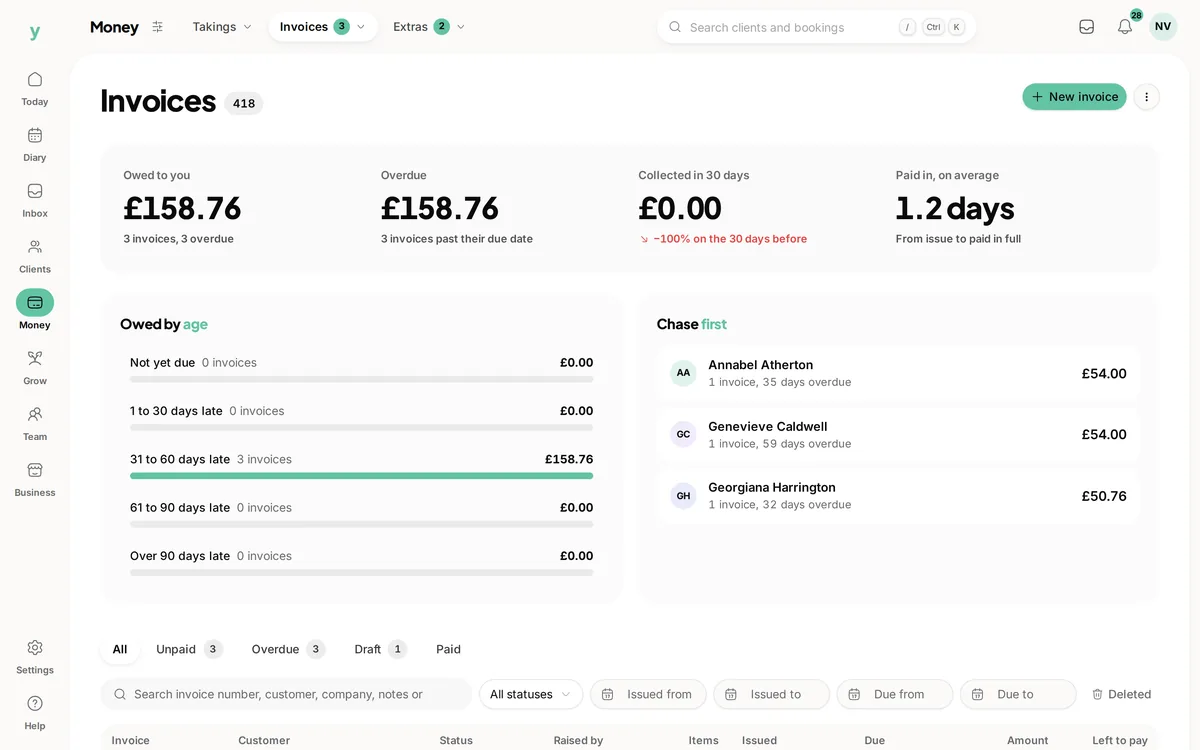
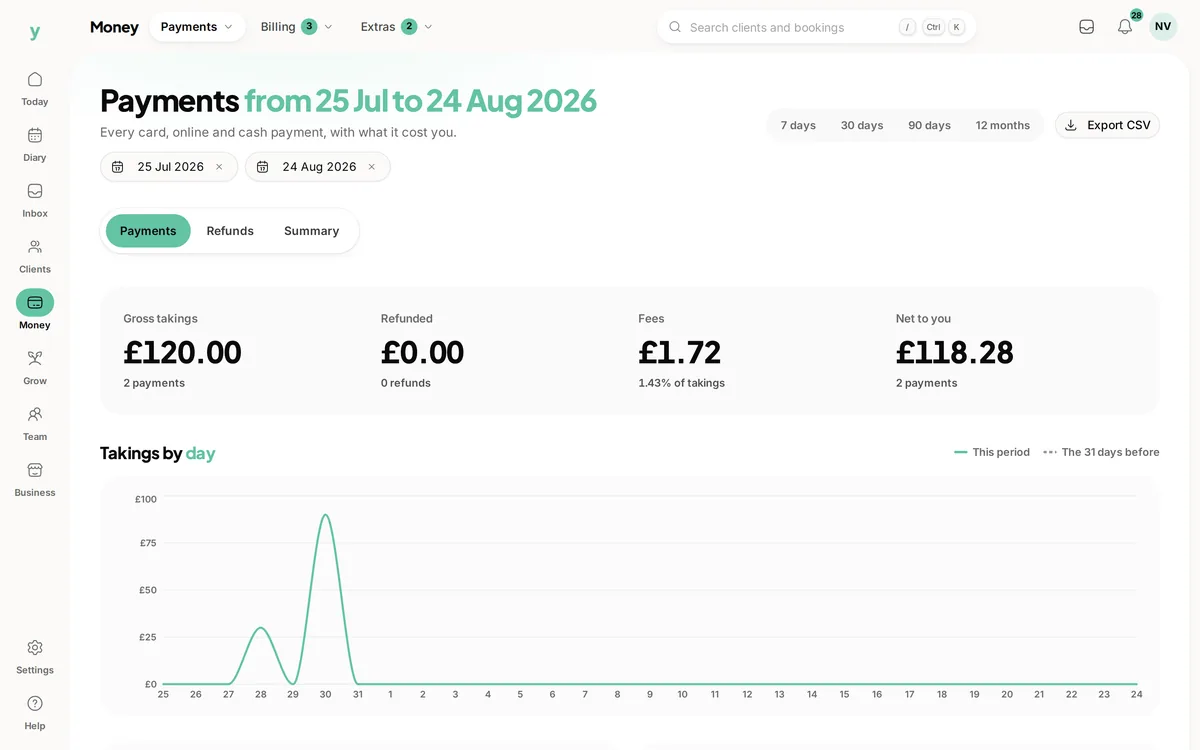
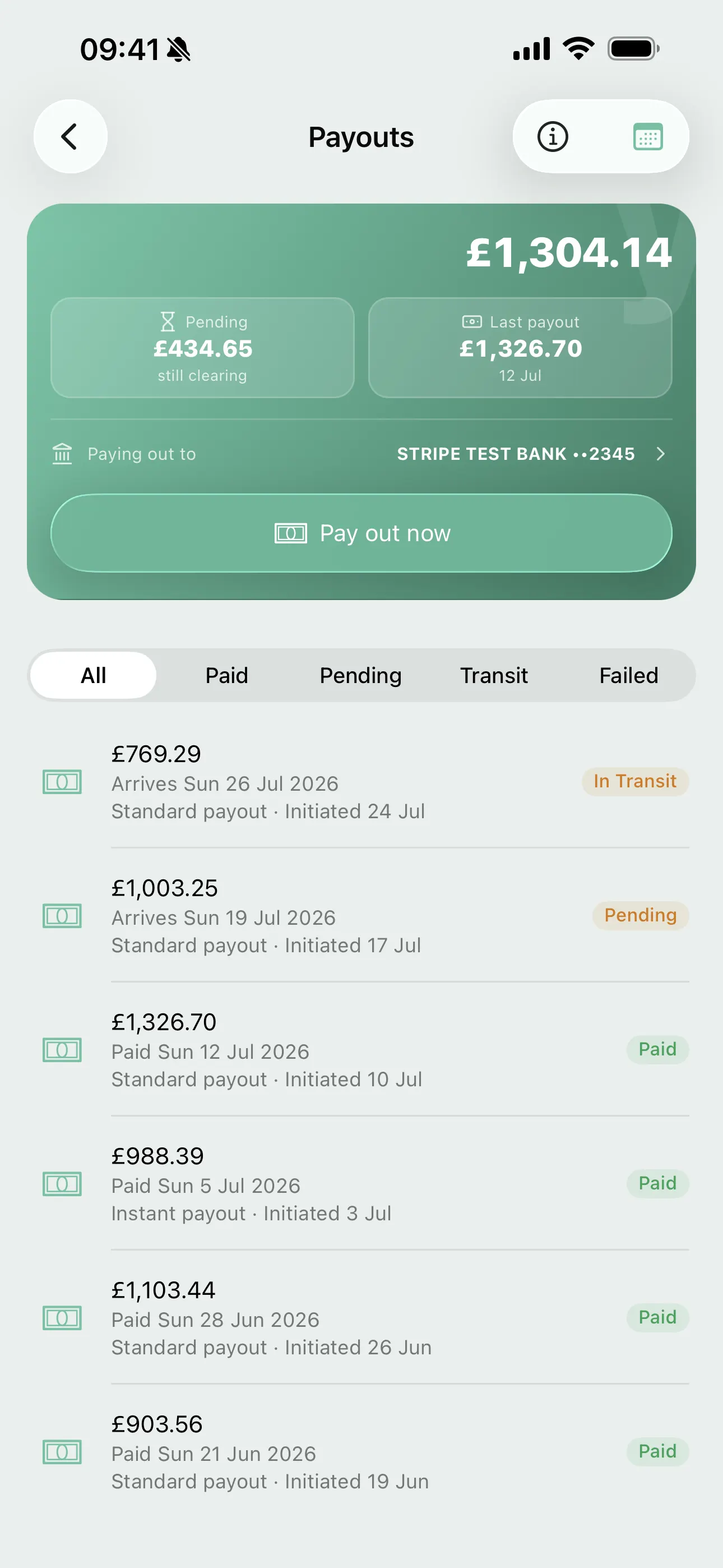
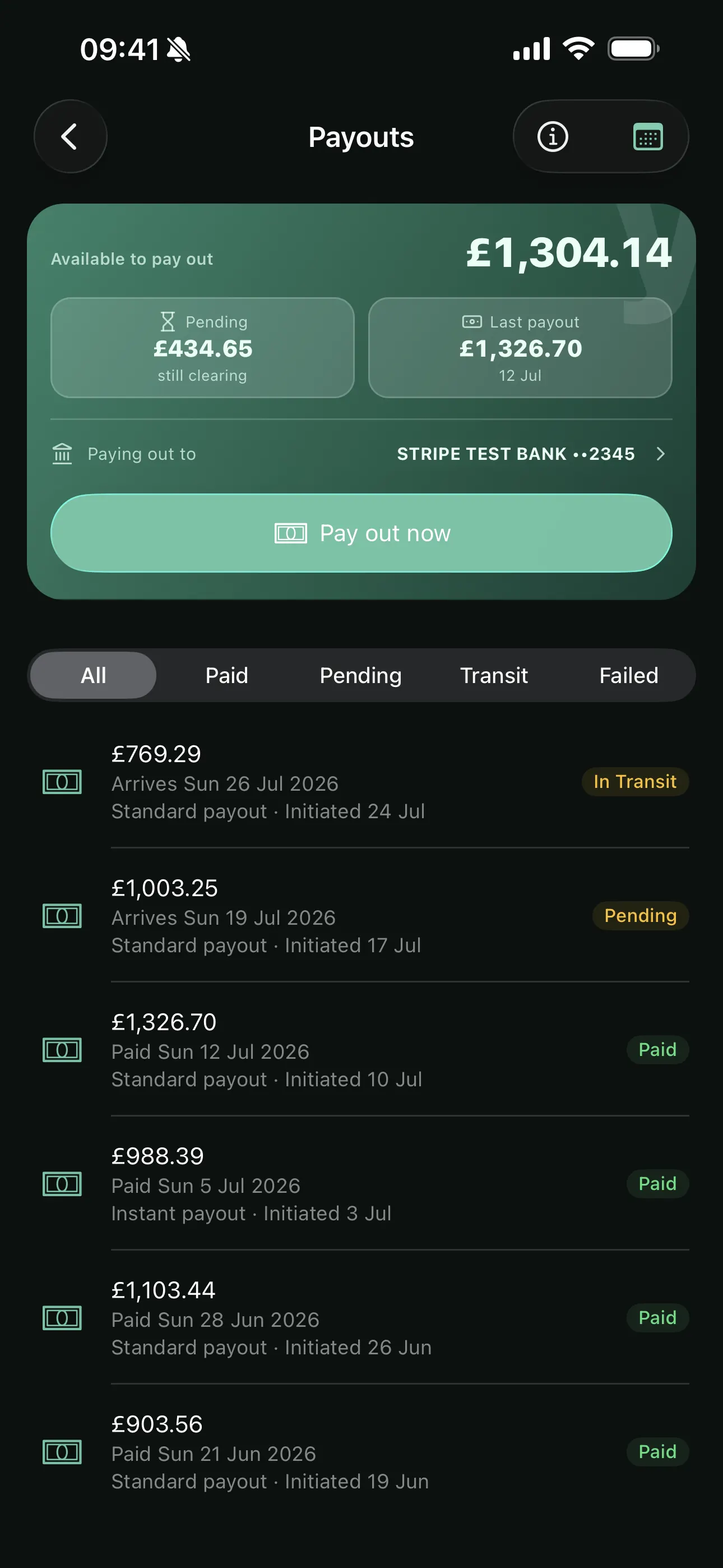
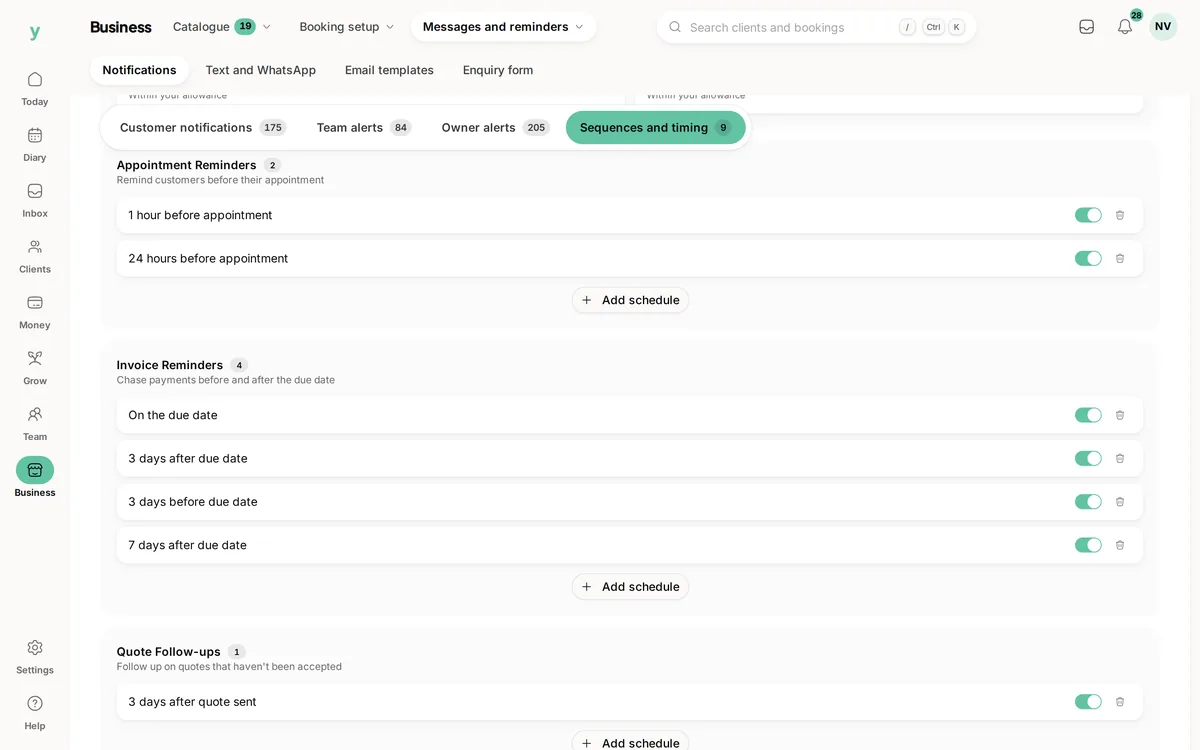
A build runs for weeks and the money has to arrive along the way, not at the end. Agree stages up front, invoice each one as it completes and let the overdue ones chase themselves while you are on site.
Overdue invoices chase themselves.
2.5% plus 35p on standard UK cards, with the platform fee inside it.
Most disputes on a build are about what was agreed and when it changed. Photos, variations and approvals recorded against the job turn a difficult conversation at handover into a document you can both read.
Unlimited customers and jobs.
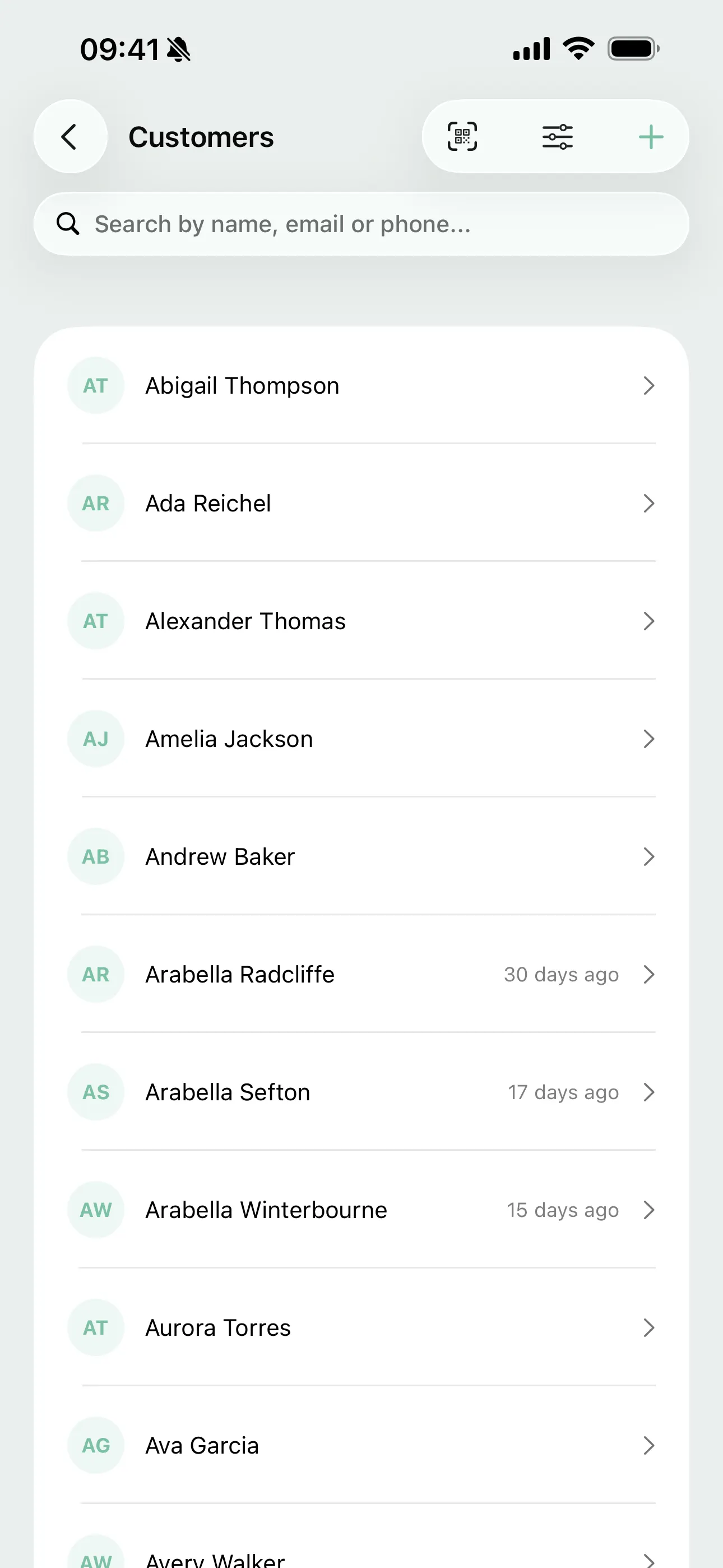
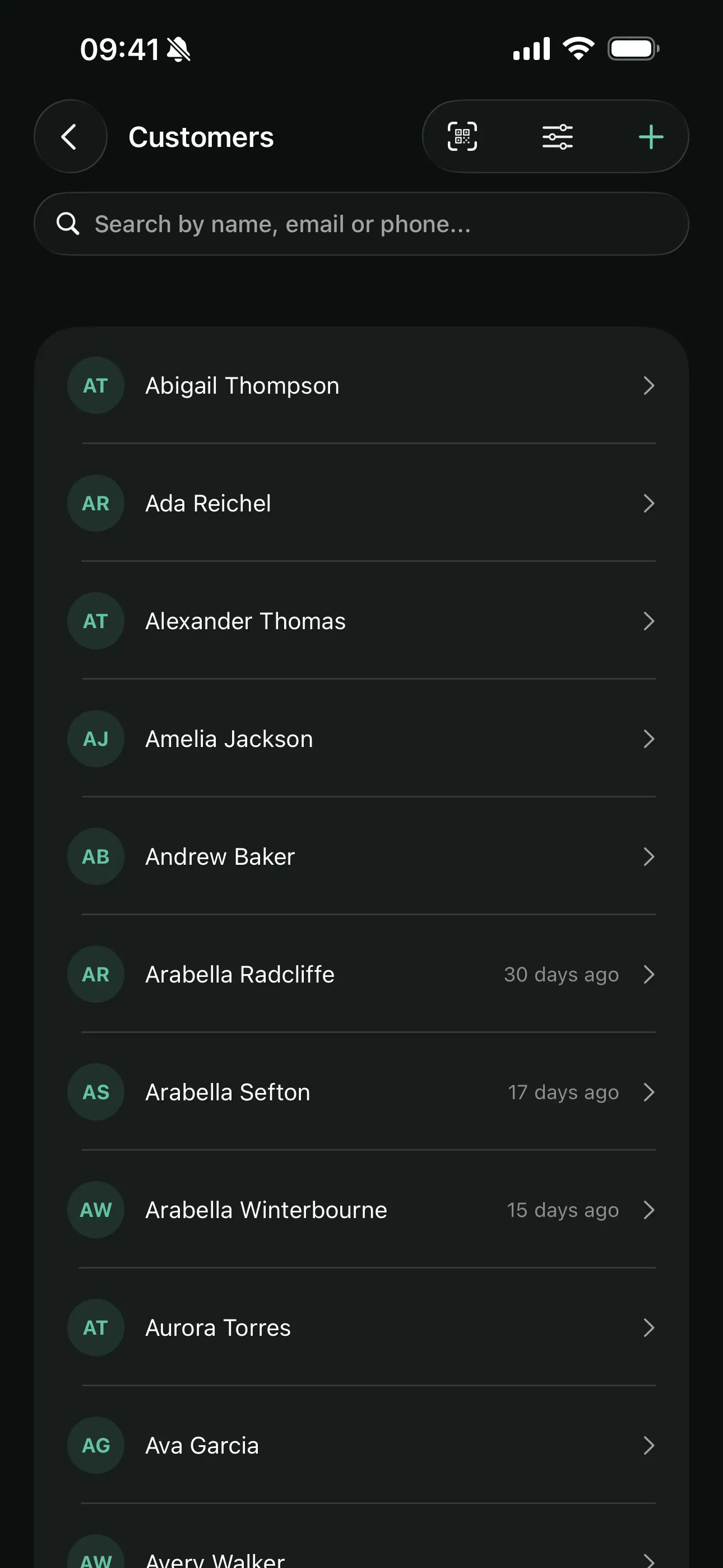
Unlimited customer records on every plan, yours to export at any time.
A builder is a cash machine that somebody else is operating. Wages leave weekly, merchants settle monthly and the client pays when a stage completes. The whole job is a bet that those three rhythms line up.
Bill against things that visibly happen. Foundations poured, walls to plate height, roof watertight, first fix complete, plastered out. Each one is unarguable, the client can walk into it and nobody debates whether it has occurred.
A monthly invoice on a job that has been rained off for a fortnight starts an argument. A stage invoice on the morning the roof goes watertight does not, because that is precisely what the client has been waiting to see.
Take a deposit before the first delivery. Materials stacked on somebody else's drive are money already spent. There is no reason for them to sit on your account while they wait to be used.
Clients ask about the price and then live inside the programme. Ten weeks that becomes eighteen is what gets discussed at their kitchen table, written in their review and mentioned to the neighbour who was going to use you next.
Most slippage is coordination rather than work. A plasterer who cannot start because the electrician moved to another site, a window on a ten week lead ordered in week eight, a steel waiting on a drawing nobody chased.
Order the long lead items in the first fortnight, before the ground has even come out. The things that stop a build are almost never the bricklaying.
| Stage | What goes wrong | What it costs |
|---|---|---|
| Groundwork | A drain run, made ground or foundations that have to go deeper | Digger days and concrete nobody priced |
| Superstructure | A steel or a window on a longer lead than the programme assumed | Every trade behind it shifts by the same amount |
| First fix | The client moving sockets, lights and a doorway | Cheap to carry out and expensive to have never written down |
| Second fix | Tiles, sanitaryware and flooring chosen late | Trades stood down and then brought back |
| Handover | A snag list that stays open | The final payment, held for as long as the list is |
Almost none of that is bad building. It is decisions arriving later than the programme needed them to arrive.
A client asks for another socket while you are both standing in the hallway, you say that is no trouble and eleven conversations like it later there is a four figure difference of opinion at handover that neither of you wrote down.
Price the change, send it, get a yes in writing and then build it. Photograph everything hidden before it is covered up, because a dated picture of what was genuinely under that floor carries more weight at handover than any amount of explaining afterwards.
Each of these sits in the same account, so a booking, its payment and the client record stay together.
Customers describe the job and attach photos through your enquiry form. It lands in one inbox.
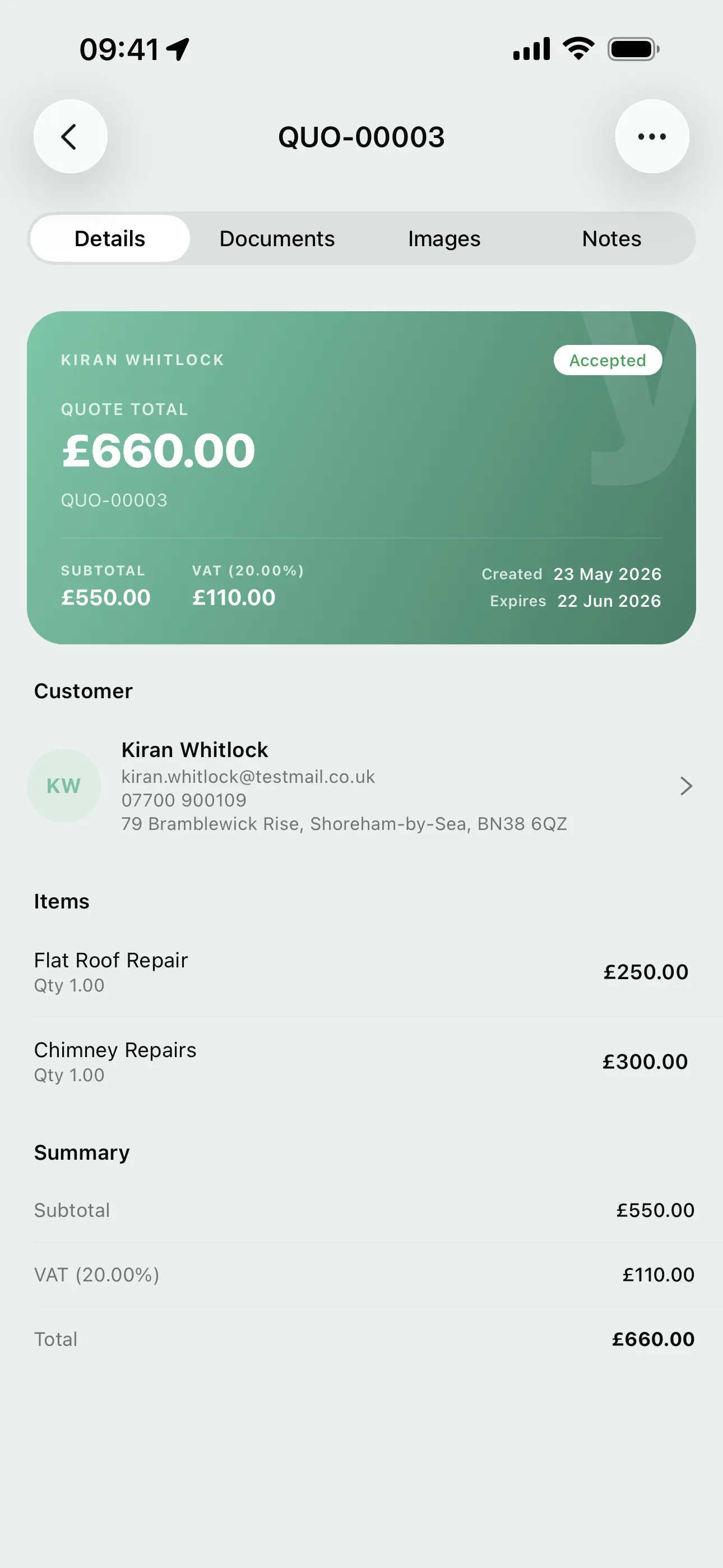
Send an itemised quote with your logo and terms, valid until the date you set, accepted online.
Send a payment link for the deposit before you order materials, for whatever amount you agree.
Book the work into the diary from the accepted quote and see the team's week in one view.
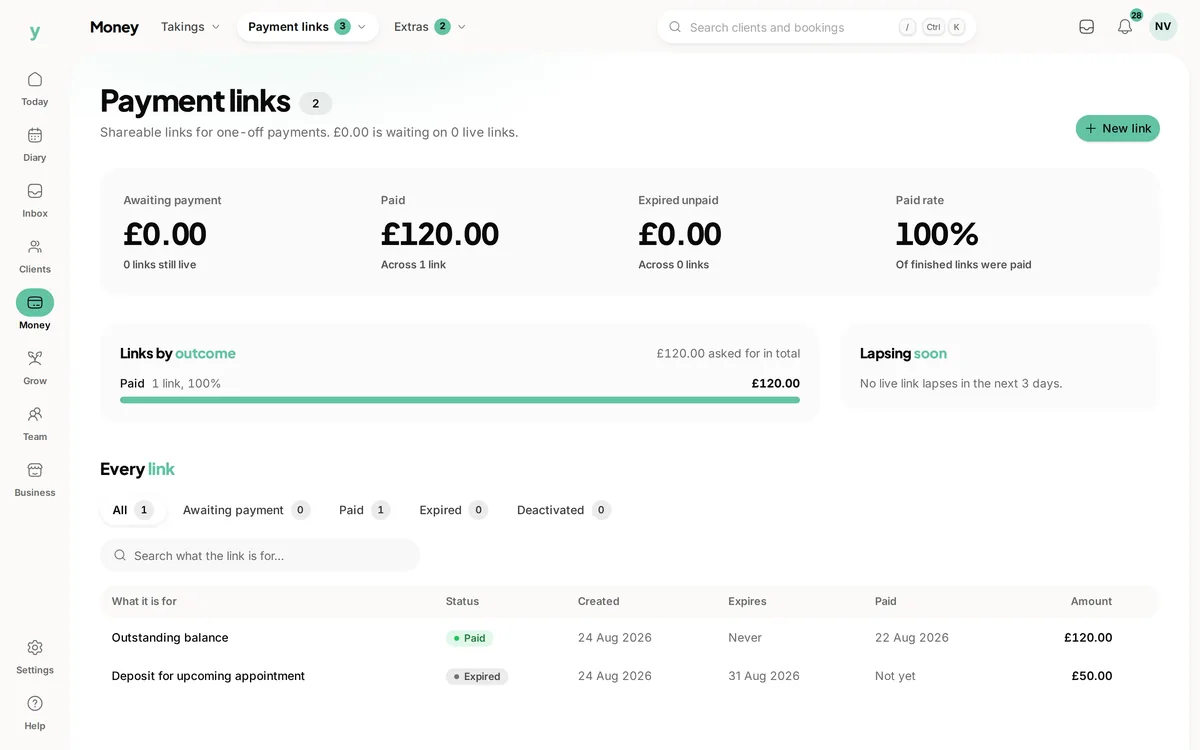
Invoice the balance with a card payment link and reminders that go out if it slips past due.
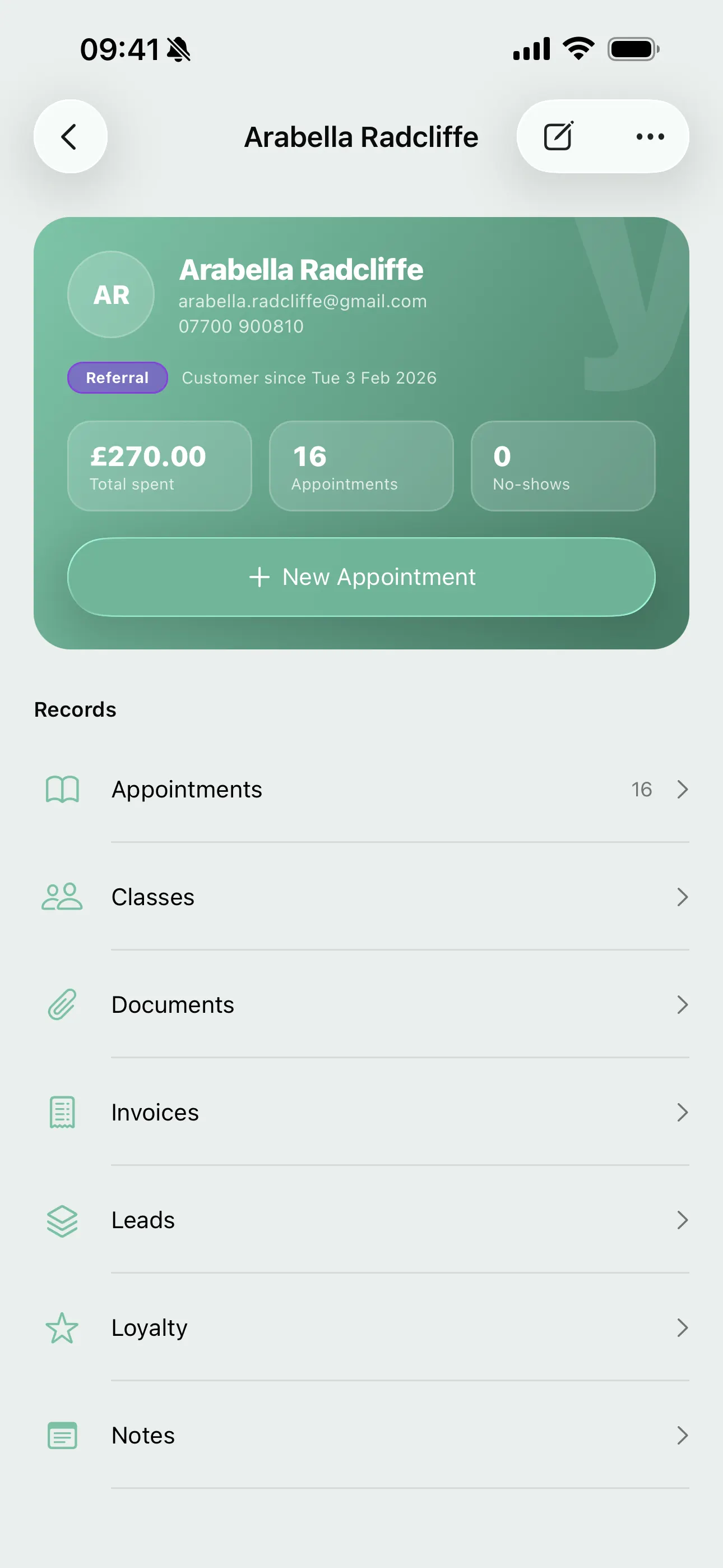
Every quote, job and note for a customer together, ready when they ring about the next phase.
The details that usually slow down a move: setup, pricing, bookings, records and how Youzse fits into your day.
Weighing up job management apps? What a trades business pays per user and per card payment, side by side. See how Youzse compares
Yes. Send a branded quote that customers can approve online, then confirm the job with a deposit.
Try every feature on your plan free for 30 days, with no card needed.
We value your privacy
Cookies keep Youzse running, improve the platform and help deliver relevant content. Read our privacy policy and cookie policy.