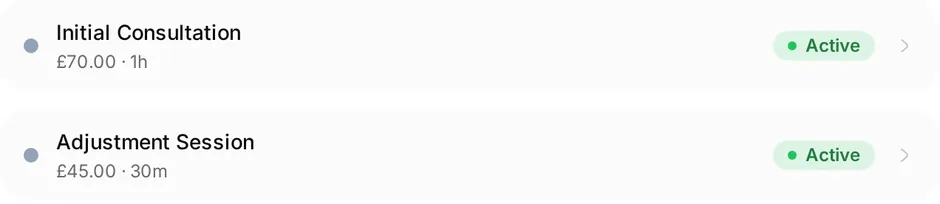
 Adjustment session at £45
Your services, priced and timed
Initial consultation and adjustment session each carry a price and a length, ready to book online.

Arrange the dates agreed with the client and keep forms, visit records and payments together. The practitioner decides the care and follow-up arrangements.
Zero commission. No cut of a payment, nothing on a new client.
One monthly subscription, plus Stripe’s own 1.5% + 20p on standard UK cards. Youzse adds nothing to it.

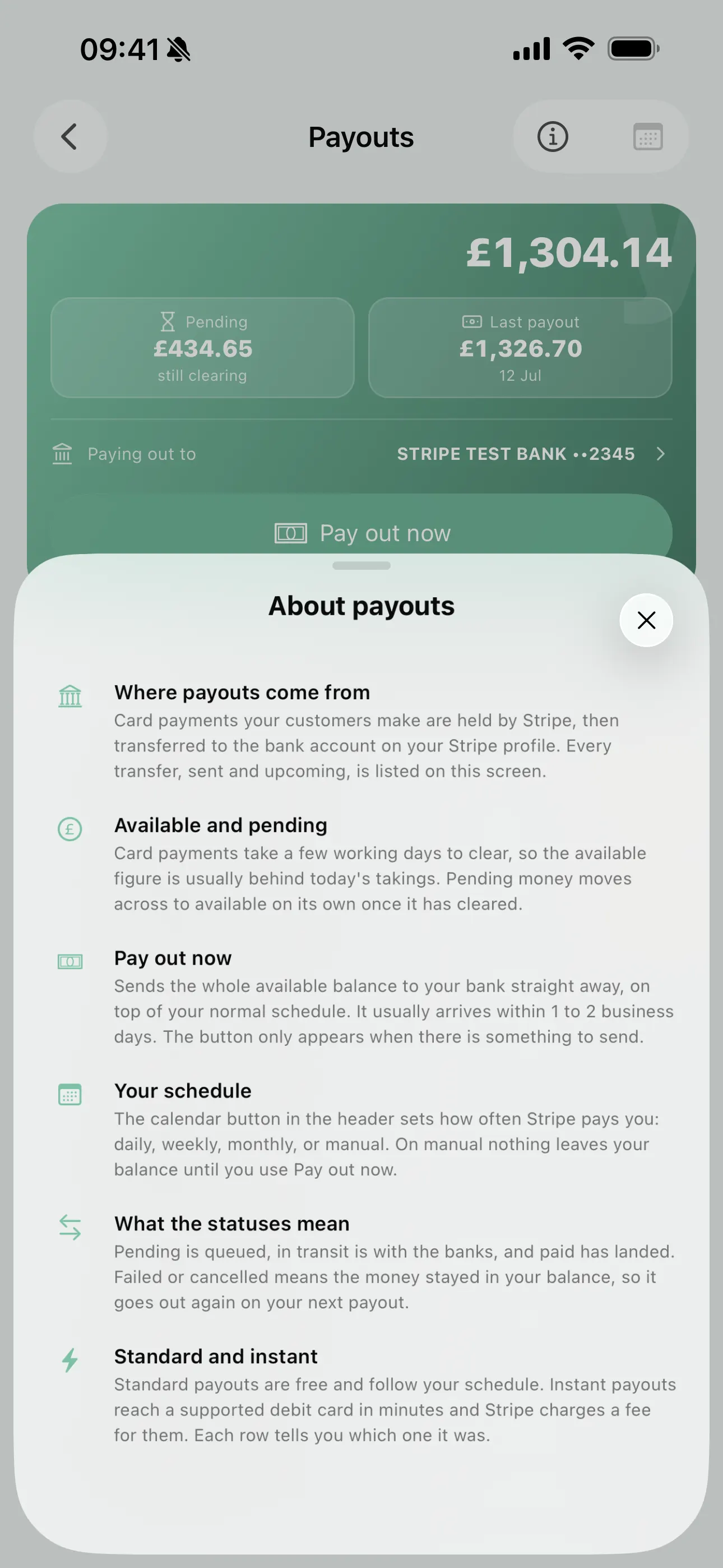
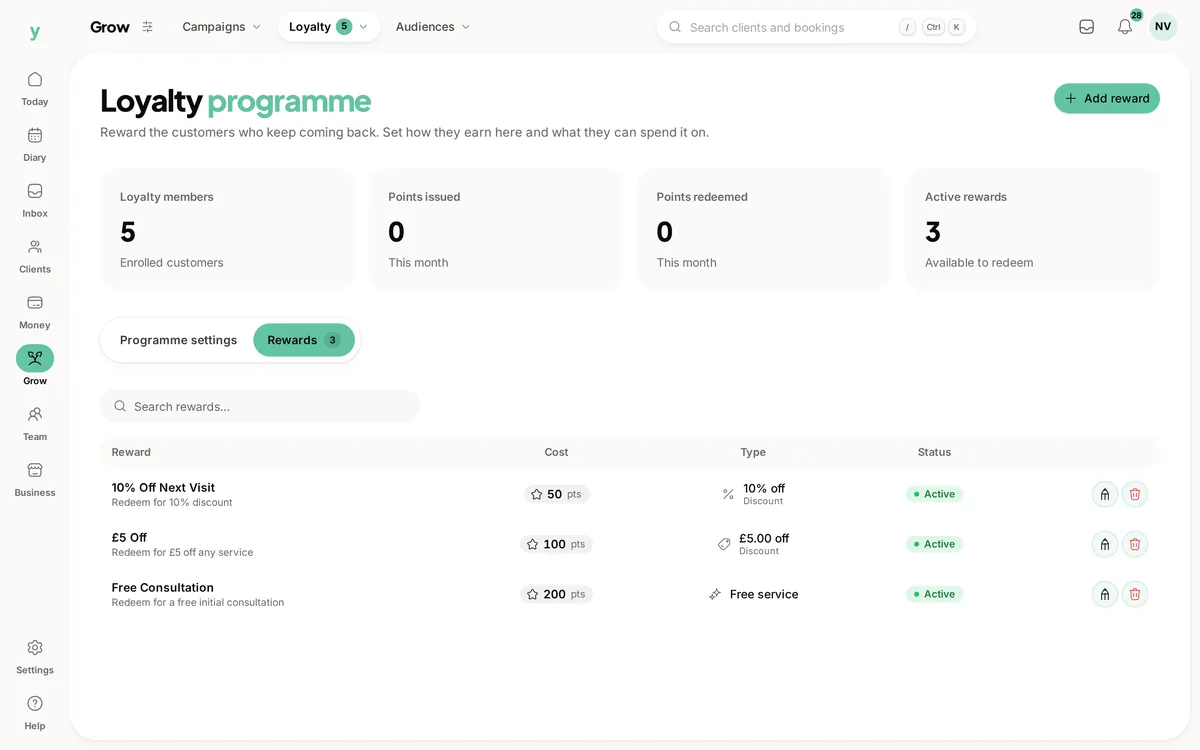
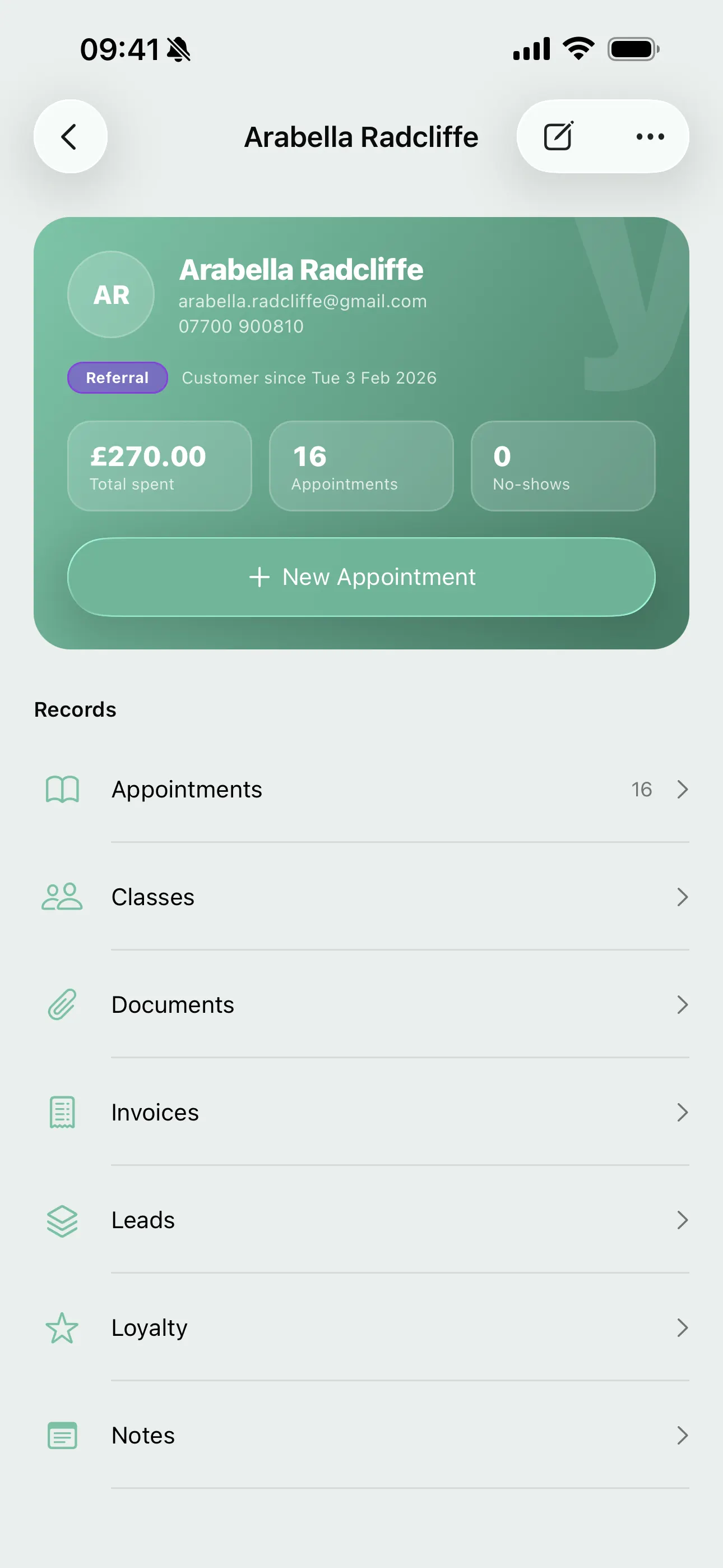
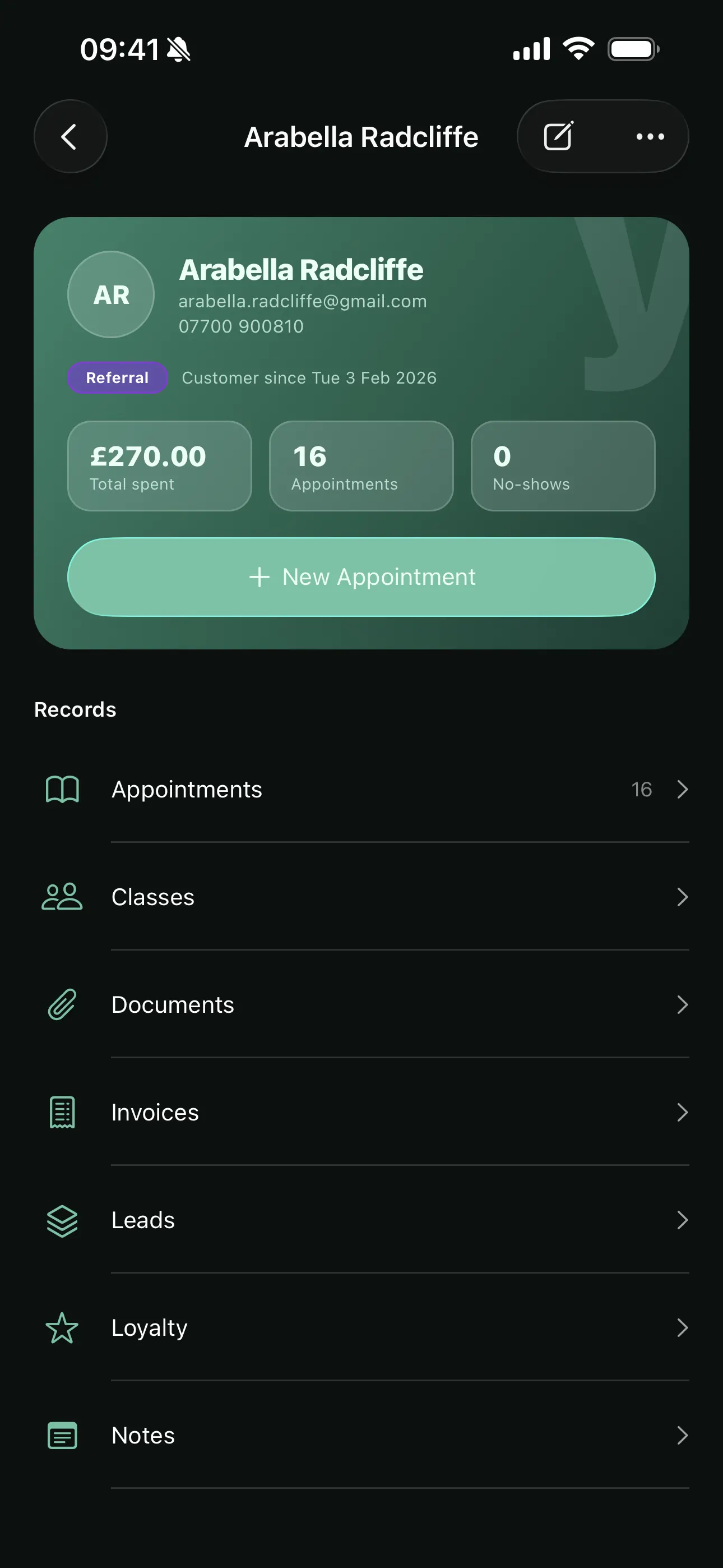
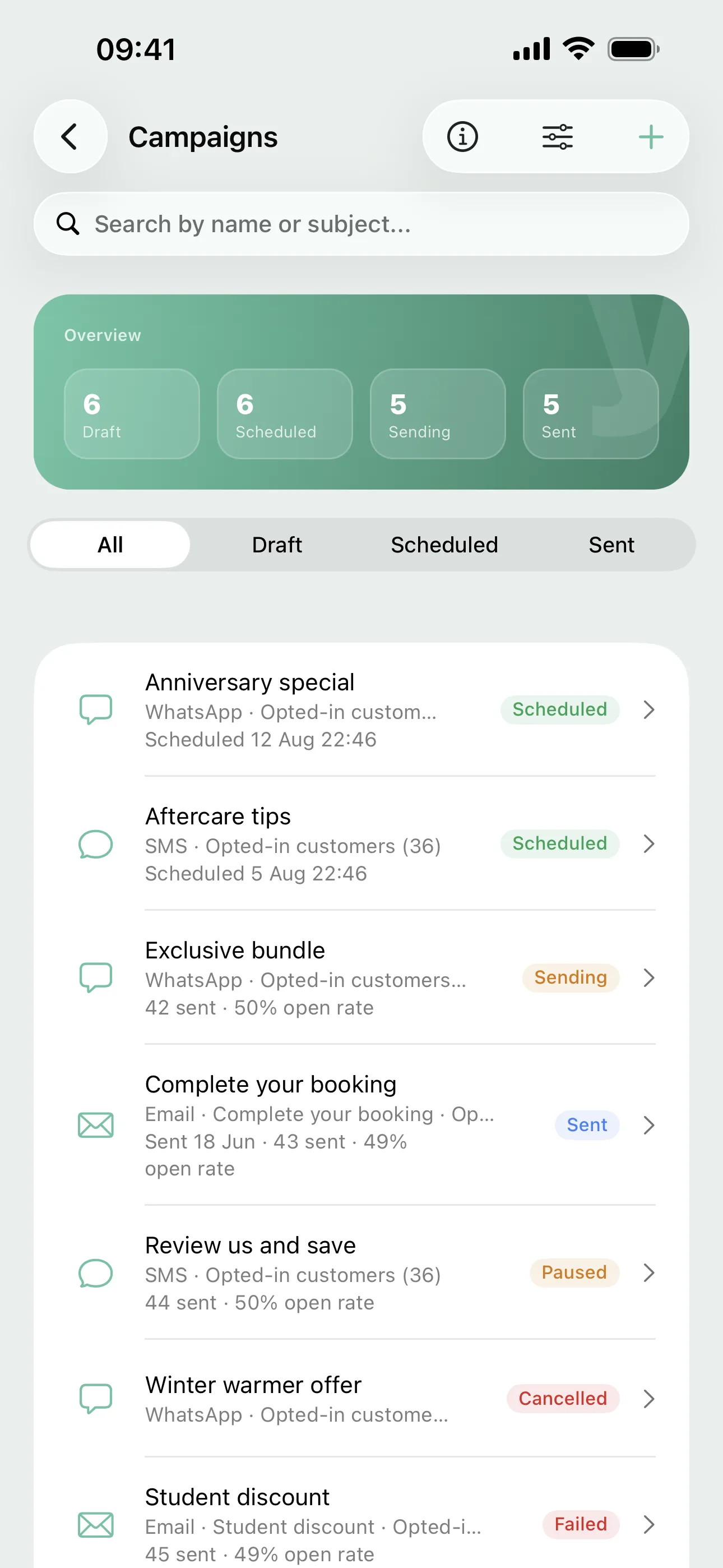
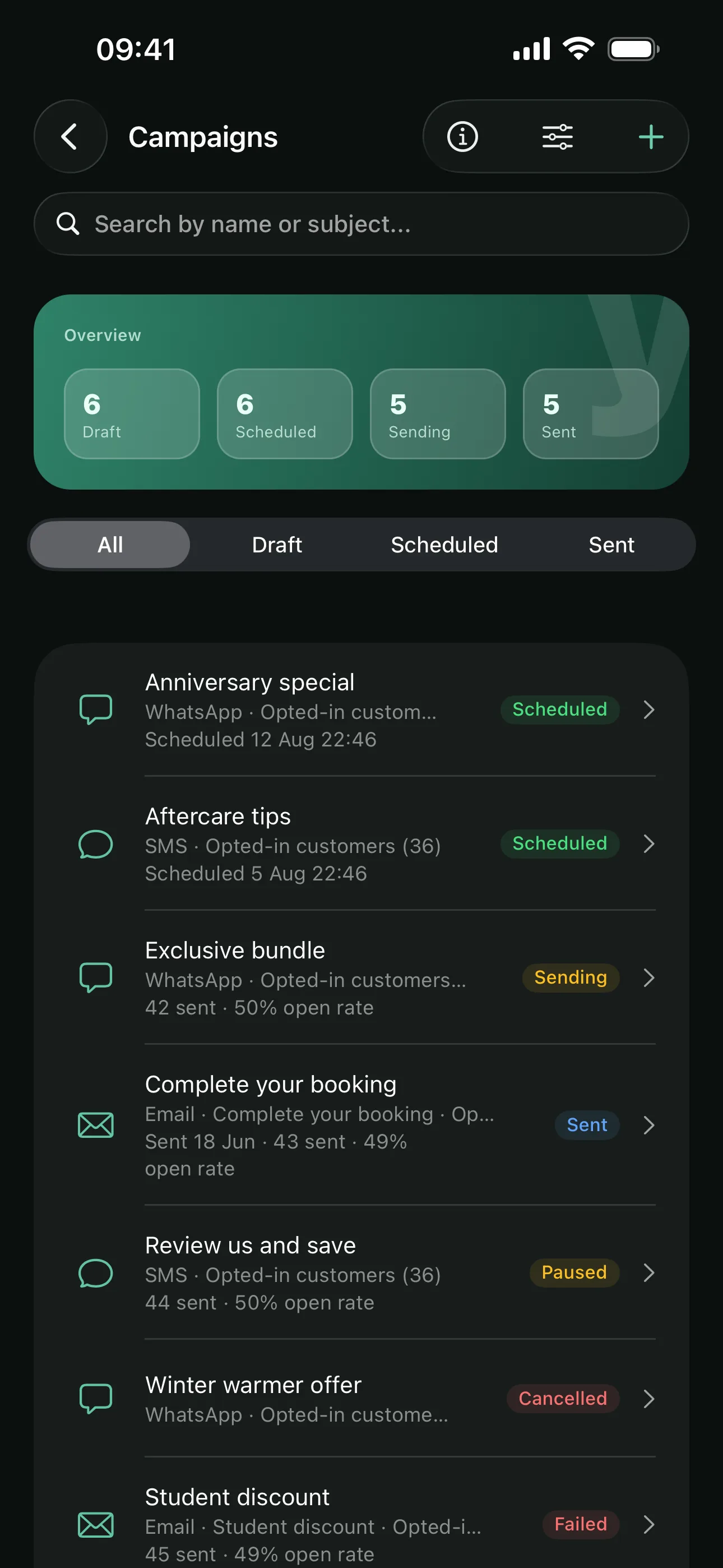
Real screens from Straight & True Chiropractic, our demo chiropractic clinic, with the numbers it shows today.
Adjustment session at £45Initial consultation and adjustment session each carry a price and a length, ready to book online.
 Waiting for your reply
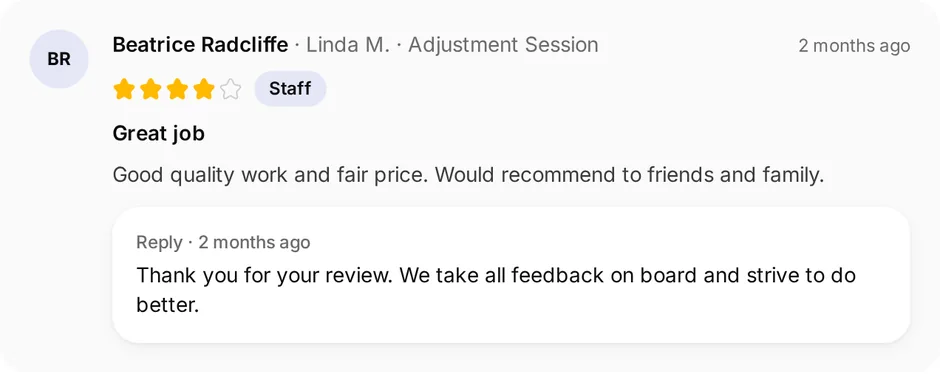
Every review names who it was with and what was booked, this one for adjustment session. Reply from the same screen.
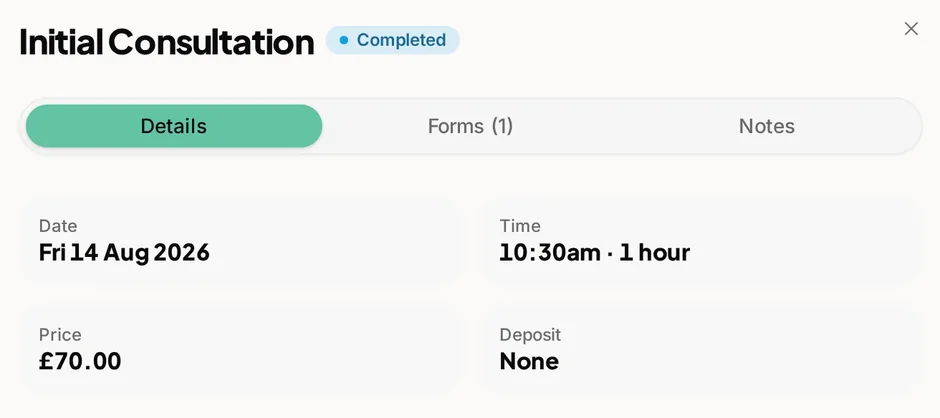 Initial consultation, 1 hour
Open any appointment to see the service, time, length, price and deposit, with the client and their history a scroll away.
A patient in acute pain books the plan of care as a series at the start, with a saved card charged visit by visit, so the fourth appointment is not another decision about money. When the episode resolves, maintenance collects monthly and a recall nudge goes out at the interval set on the treatment.
Unlimited patients on every plan.
One monthly subscription. 1.5% + 20p only when you take a card payment.
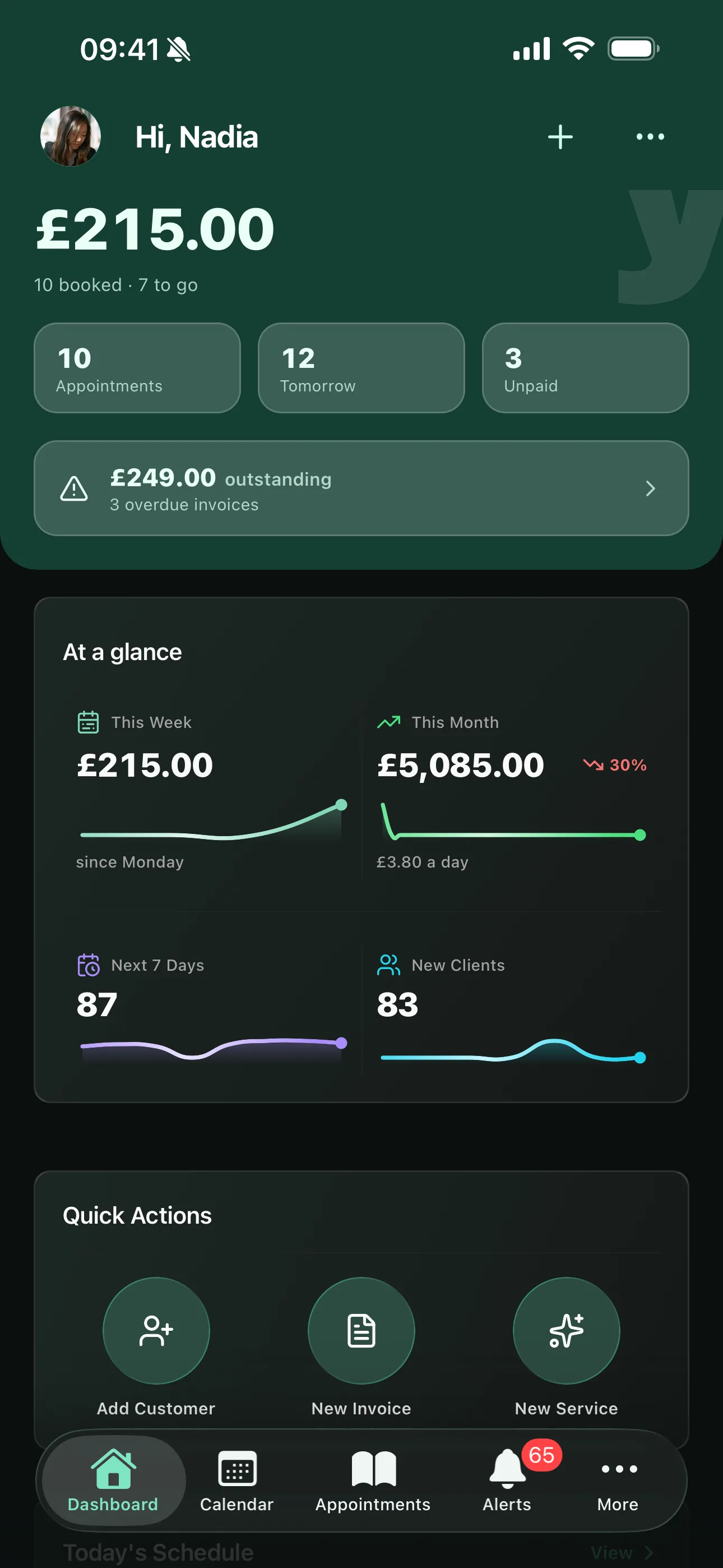
Chiropractic works as a plan of care and billing it one adjustment at a time makes the patient reconsider every week. Book the plan as a series with a saved card charged before each visit and let maintenance patients pay monthly.
Plans of care booked as a series.
1.5% plus 20p on standard UK cards, and nothing added on top.
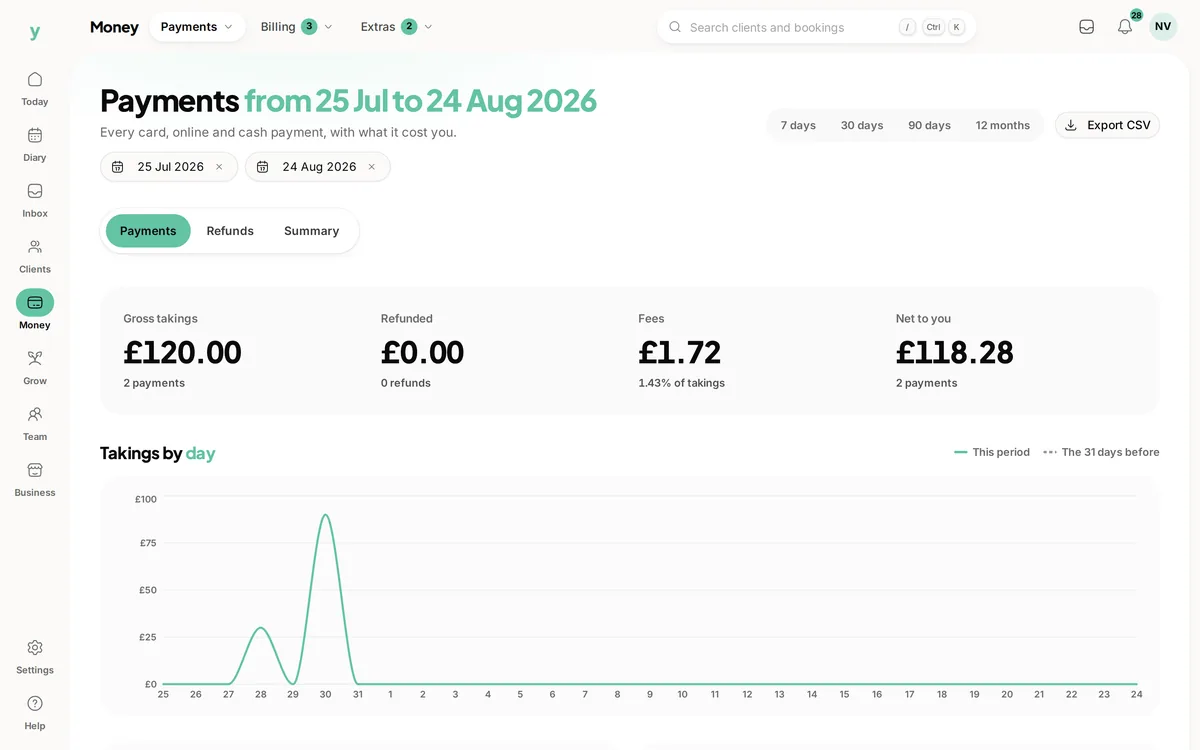
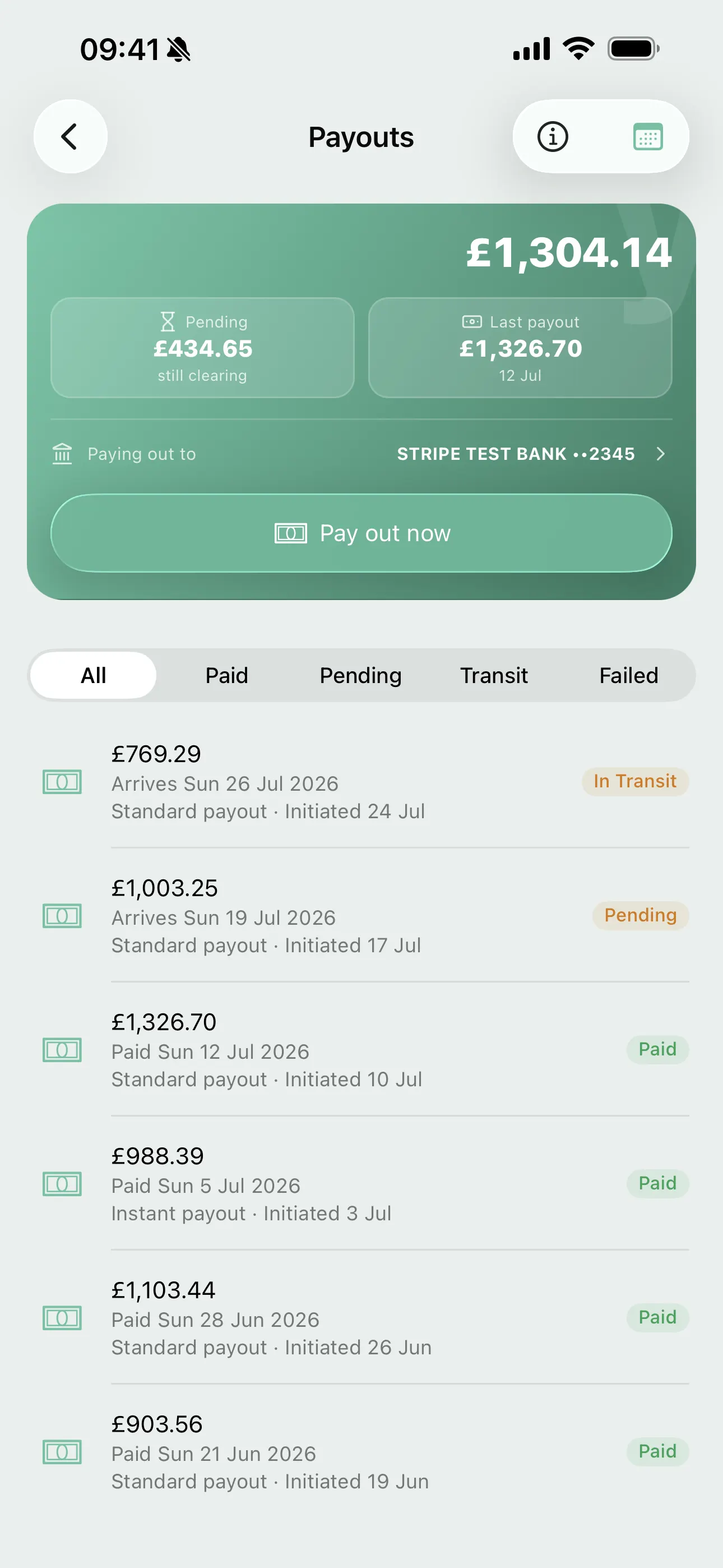
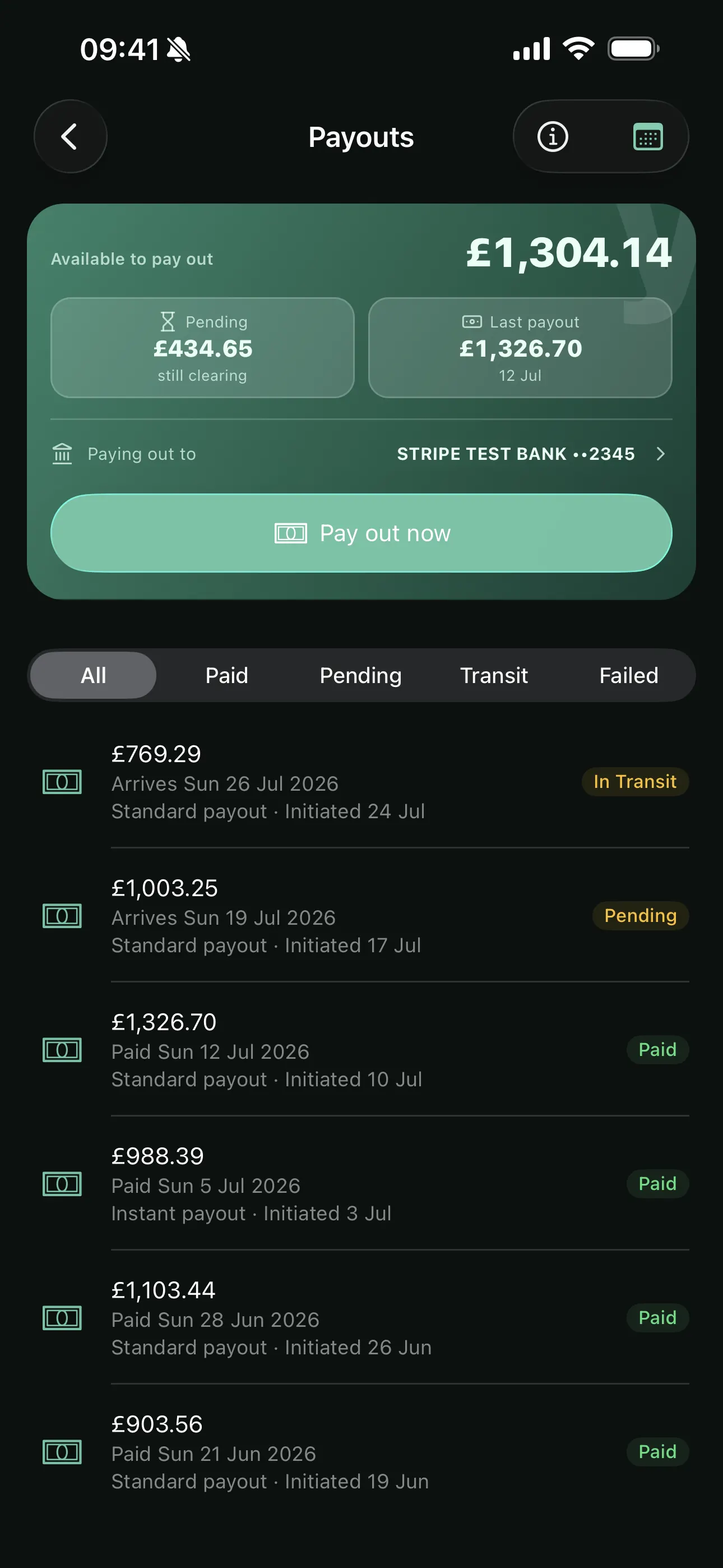
The value is in the patient who keeps coming for maintenance long after the acute problem resolved. Recall them on the right interval, with their history, imaging notes and plan progress on one record.
Clinical records handled to UK GDPR.
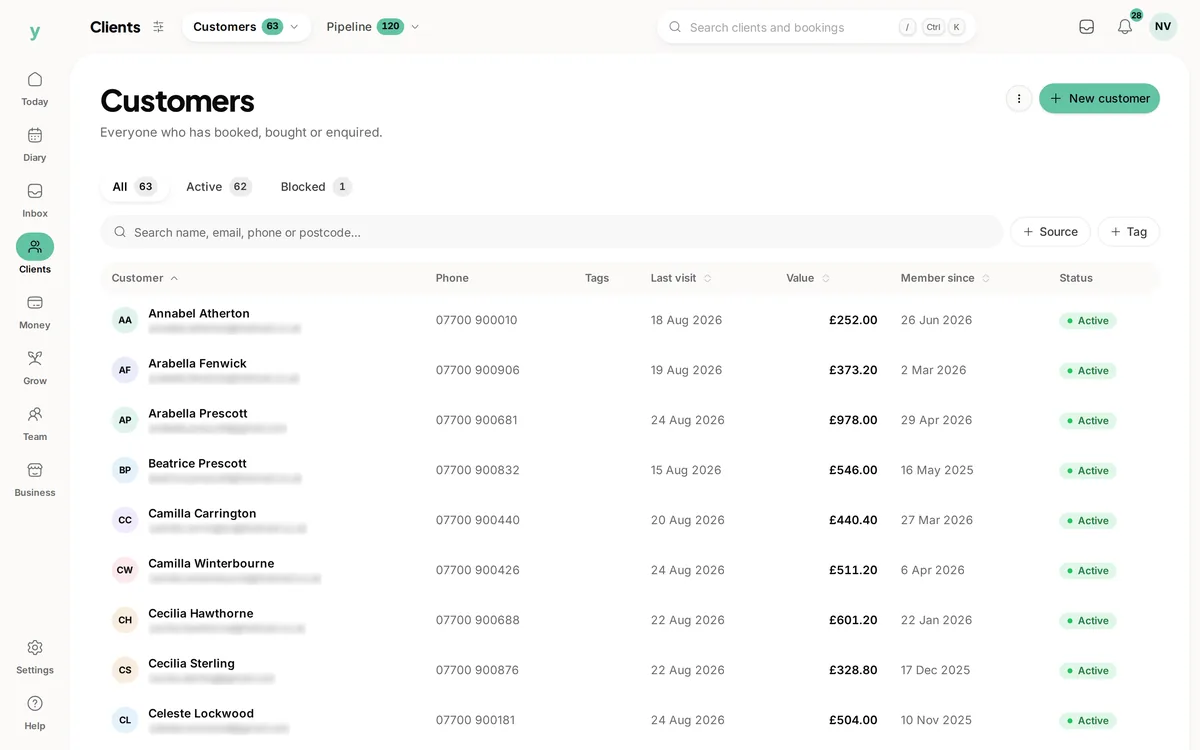
Unlimited customer records on every plan, yours to export at any time.
Keep agreed appointment dates, submitted forms, client notes and payment records identifiable. The diary supports the practice’s administration; it does not decide the care a client needs.
| Record | Administrative check |
|---|---|
| Appointment | An agreed date, service and practitioner; review changes in the actual diary. |
| Form submission | Information supplied by the client that still needs your own review. |
| Visit note | A record entered by an authorised member of the team. |
| Payment | An amount received under the agreed billing arrangement. |
| Follow-up booking | A later date agreed with the client through the practitioner’s own process. |
Test the payment arrangement you intend to offer and explain its terms clearly to the client. Inspect invoices, charges and booked dates separately so staff can answer a billing question without assuming a charge proves attendance.
Set follow-up dates through the practitioner’s own assessment and agreement with the client. Avoid treating a recurring charge or a generic reminder interval as a recommendation for further care.
Create a sample series of appointments using dates agreed for the trial, then move one appointment. Inspect the remaining dates and confirmation so the administrative change is clear to the client and practitioner.
The diary records agreed appointments rather than deciding what care is needed or when it should happen. Review forms and permissions using sample information, and check the chosen payment arrangement separately from attendance.
Each of these sits in the same account, so a booking, its payment and the client record stay together.
New patients book a first visit online. A course of adjustments is set up as a repeating series.
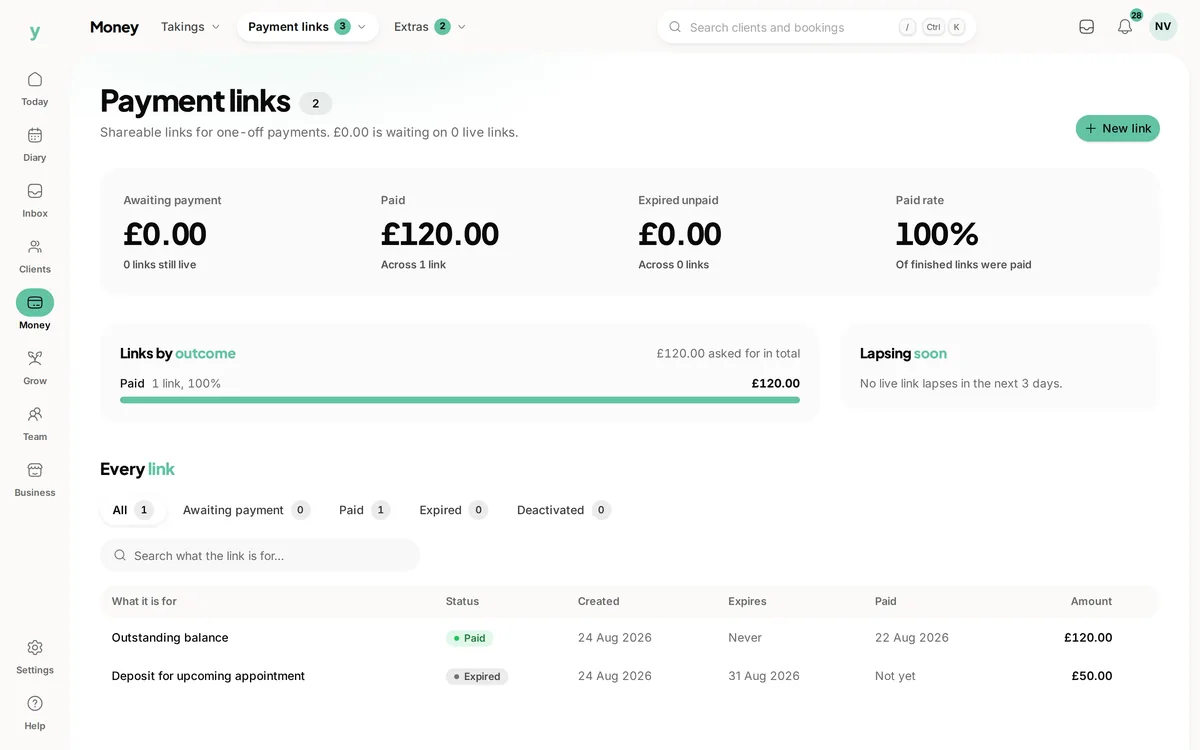
Take a deposit on the first consultation and the balance by card when the session ends.
Findings and treatment notes kept encrypted, with the intake form and every past visit on one record.
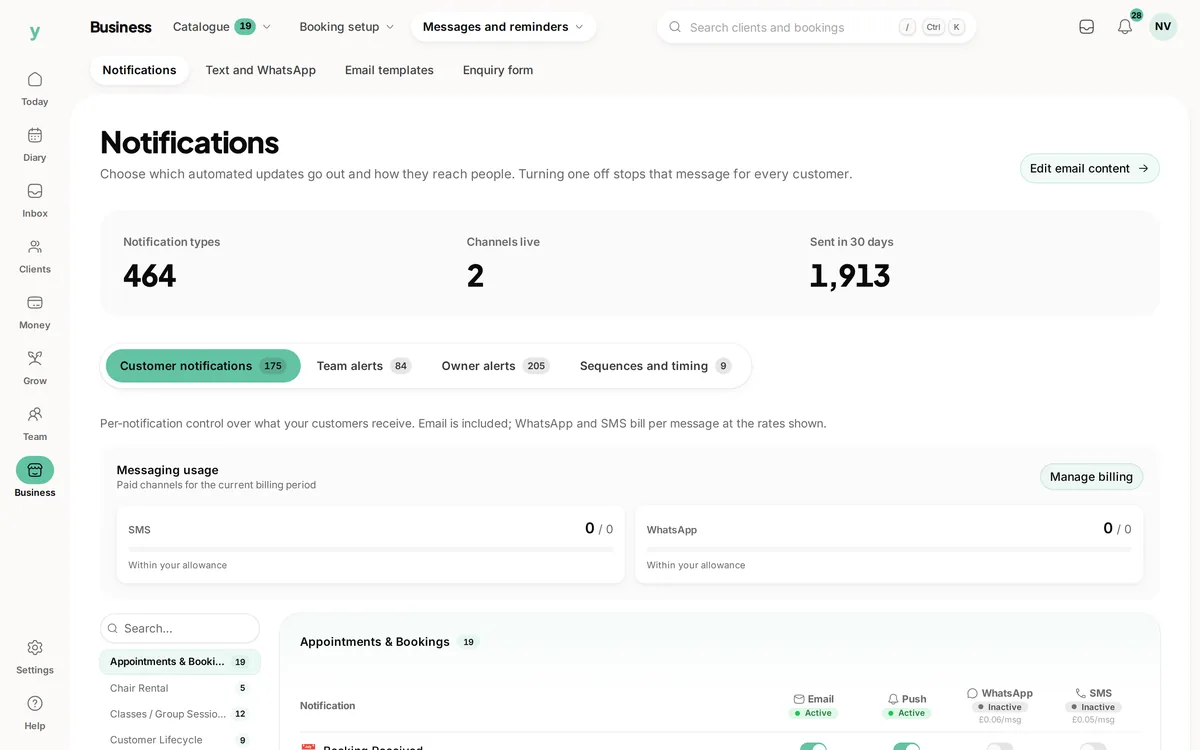
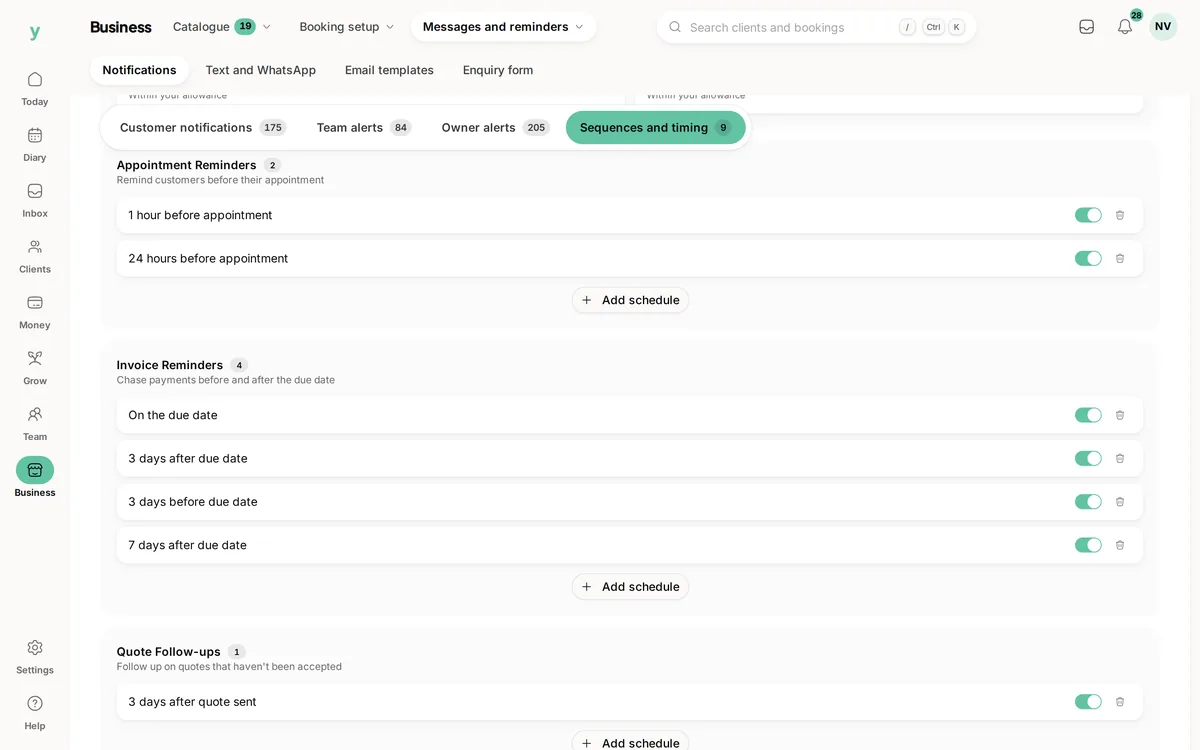
Patients are reminded before each adjustment, by the channels you switch on.
Put maintenance patients on a monthly membership through Stripe with a member discount on visits.
Special category data is stored encrypted, with consent recorded and every access logged.
The details that usually slow down a move: setup, pricing, bookings, records and how Youzse fits into your day.
Yes. Block bookings let patients reserve a course of sessions in one go, so the plan stays on track.
Try every feature on your plan free for 30 days, with no card needed.
We value your privacy
Cookies keep Youzse running, improve the platform and help deliver relevant content. Read our privacy policy and cookie policy.