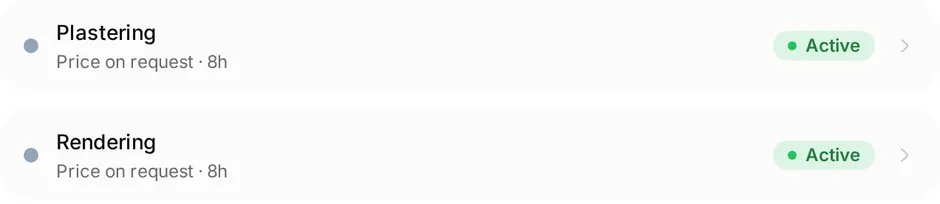
 Plastering, price on request
Your services, timed
Plastering and rendering sit on the menu with how long each takes, priced on request.

Record the area and preparation agreed in the quote, schedule the job and keep changes visible. Send the invoice for the work completed.
Zero commission. No cut of a payment, nothing on a new client.
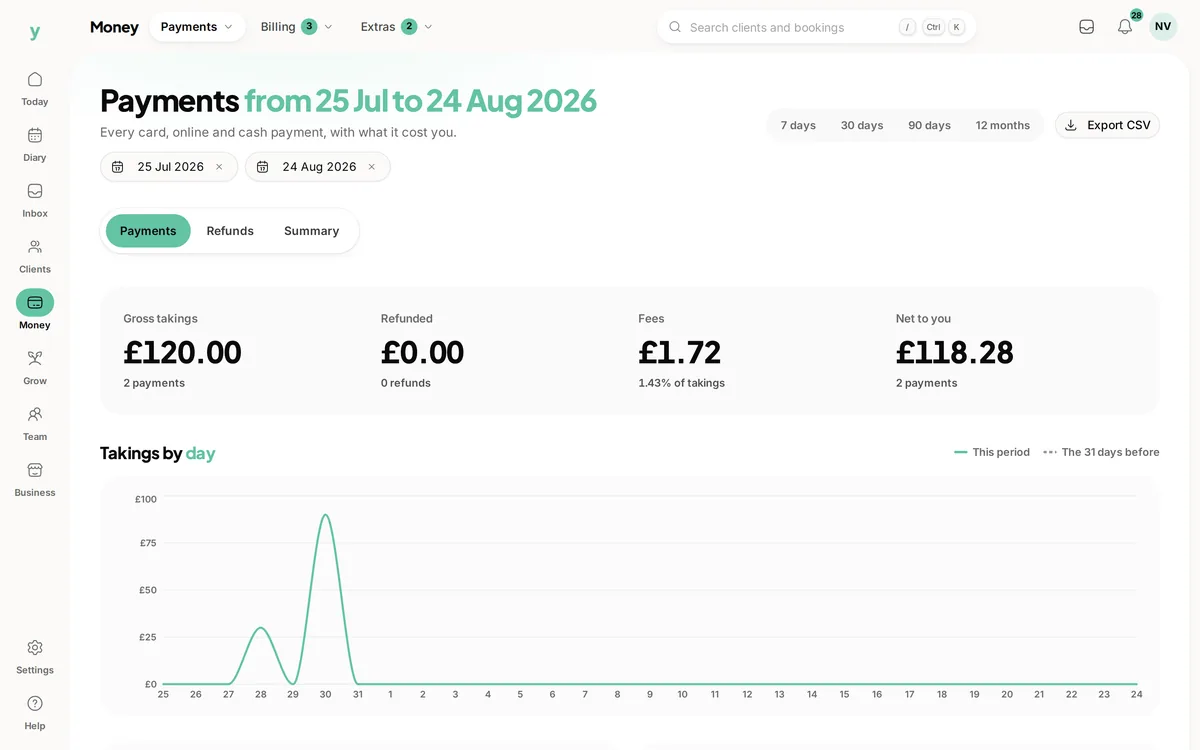
One monthly subscription, plus Stripe’s own 1.5% + 20p on standard UK cards. Youzse adds nothing to it.

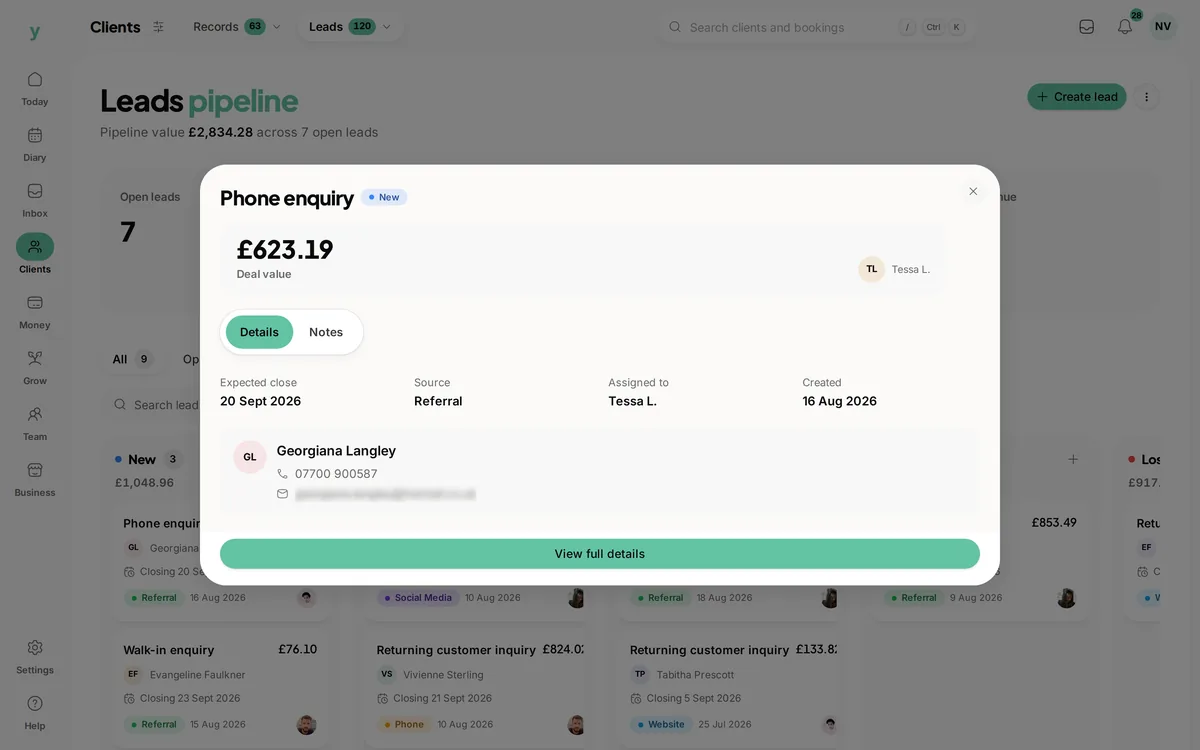
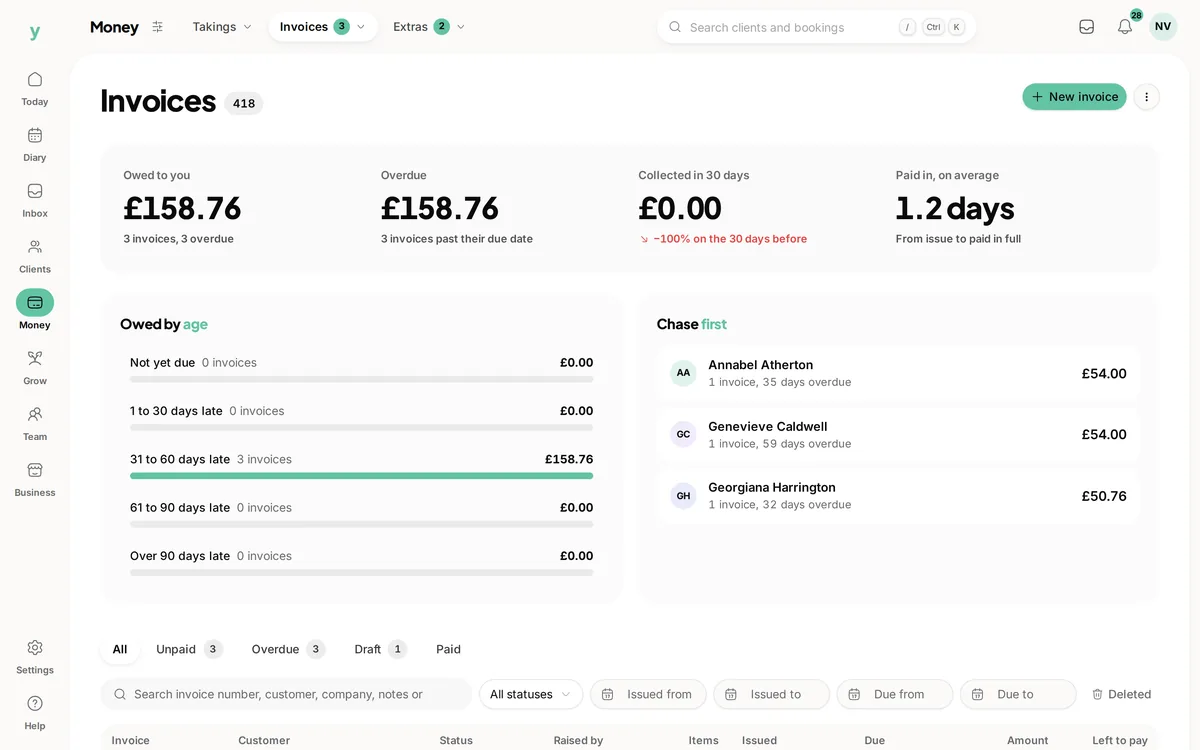
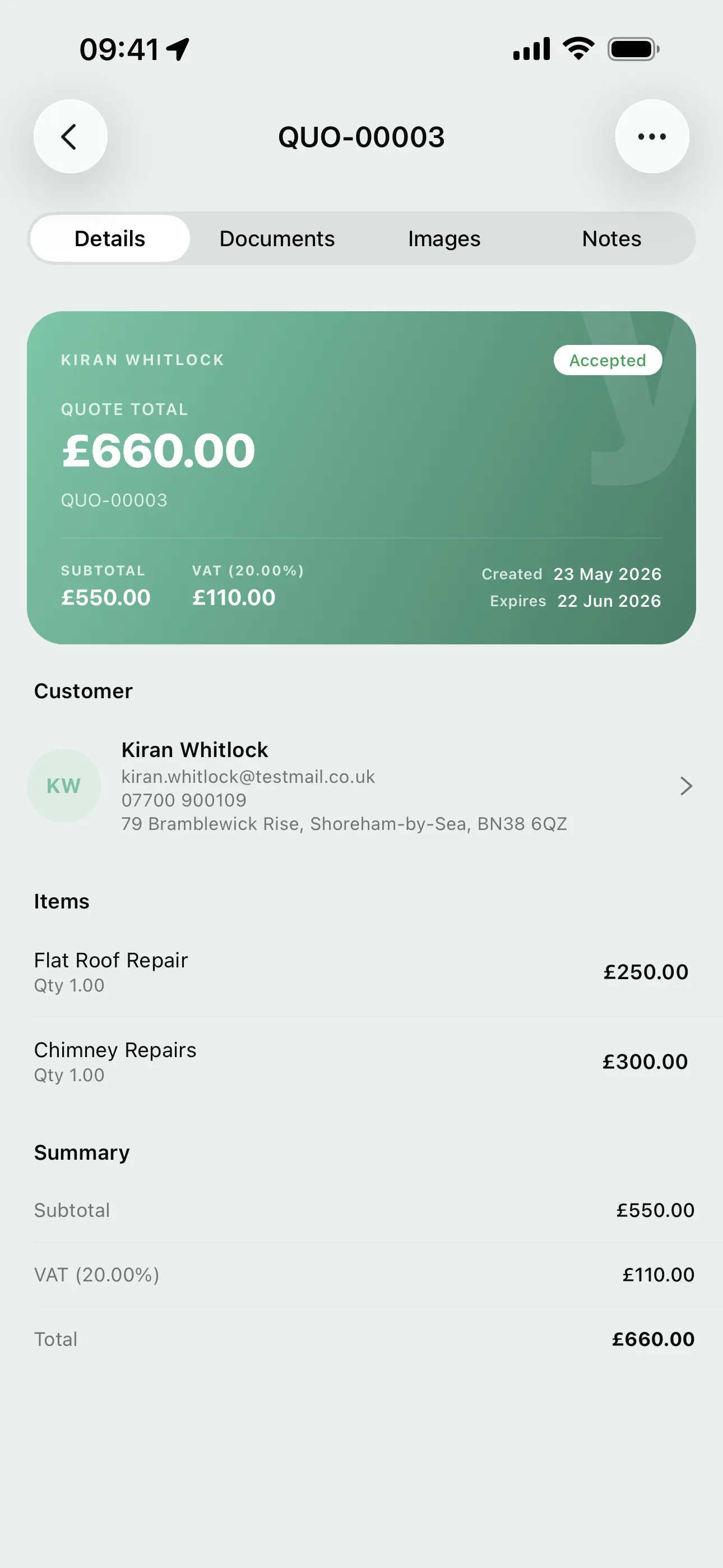
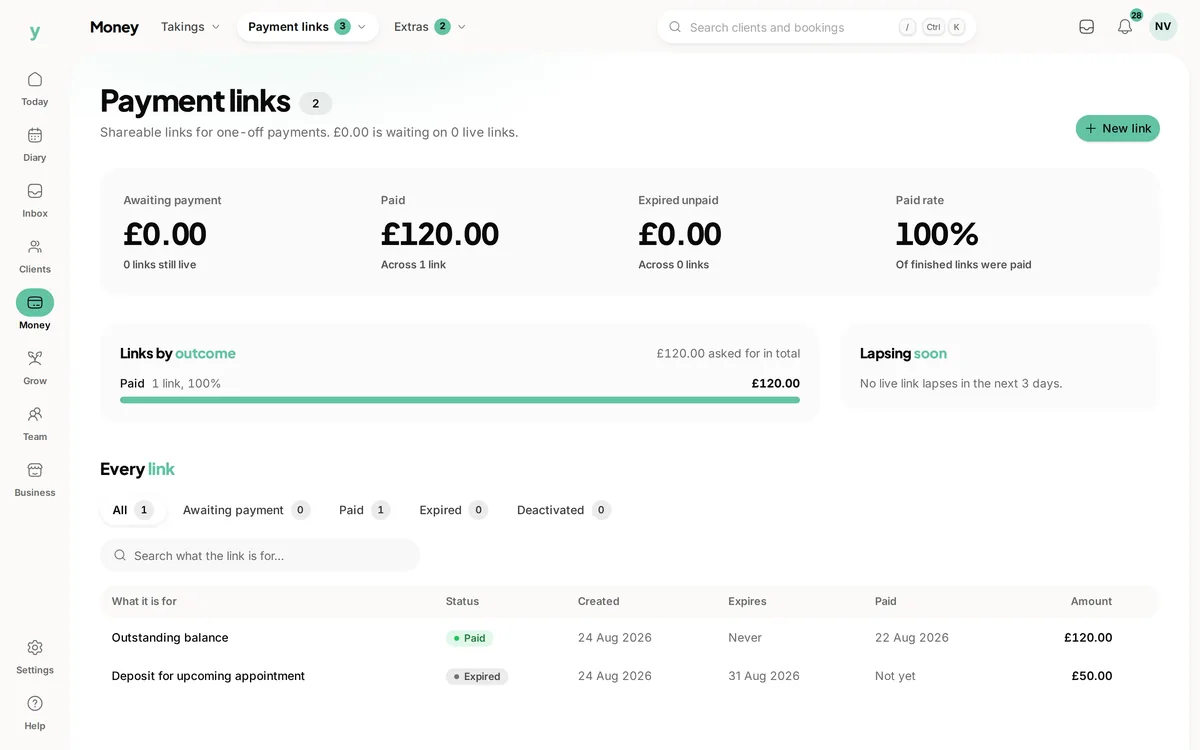
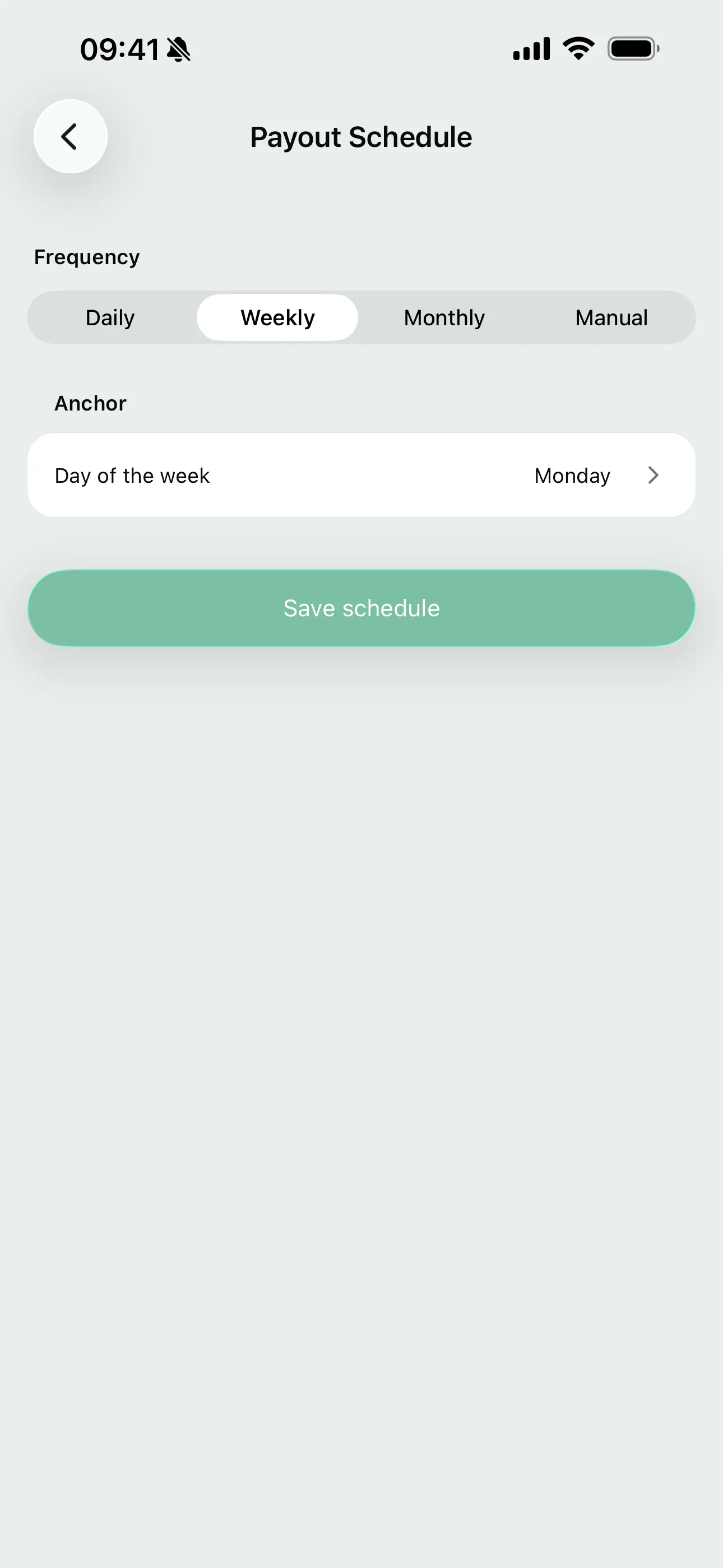
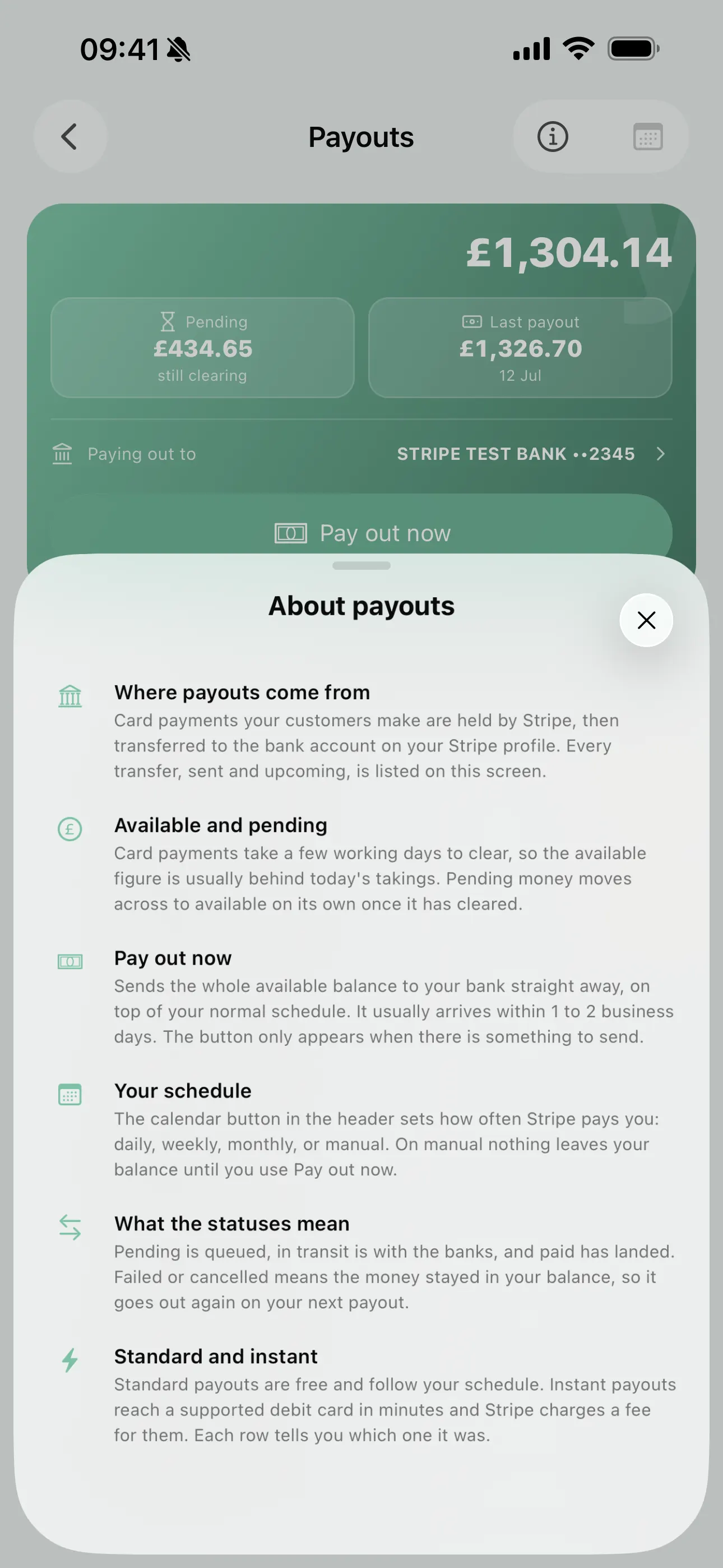
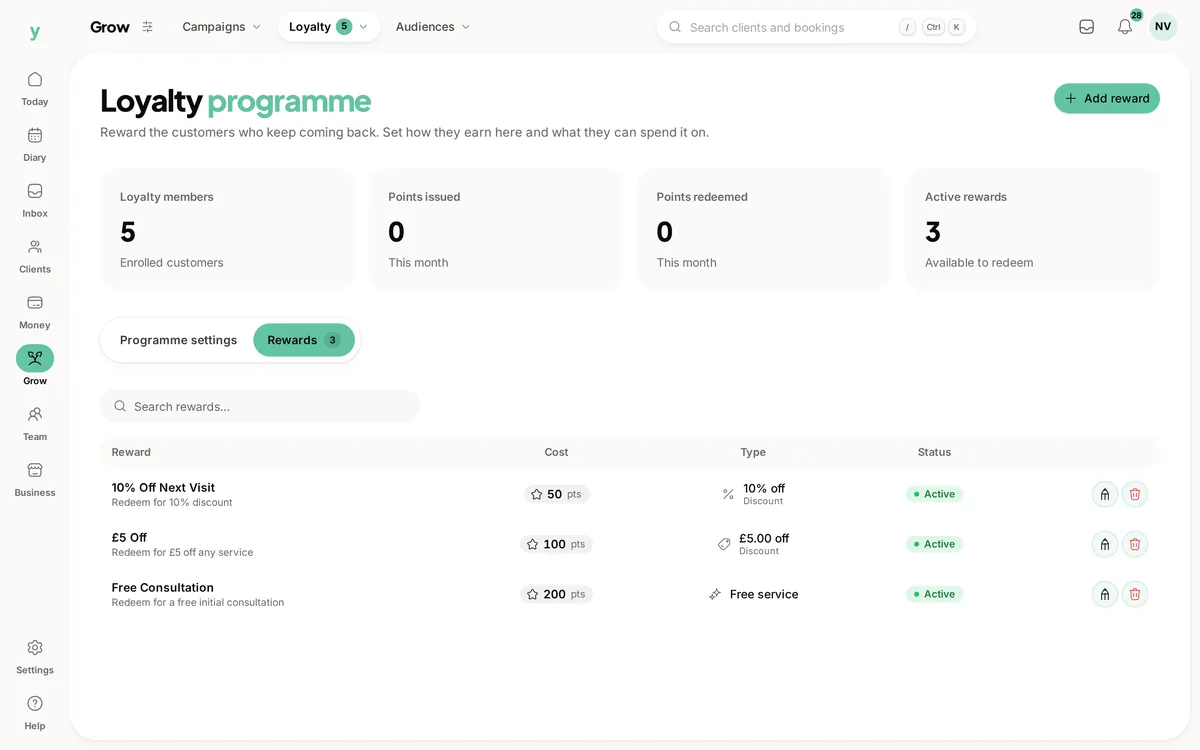
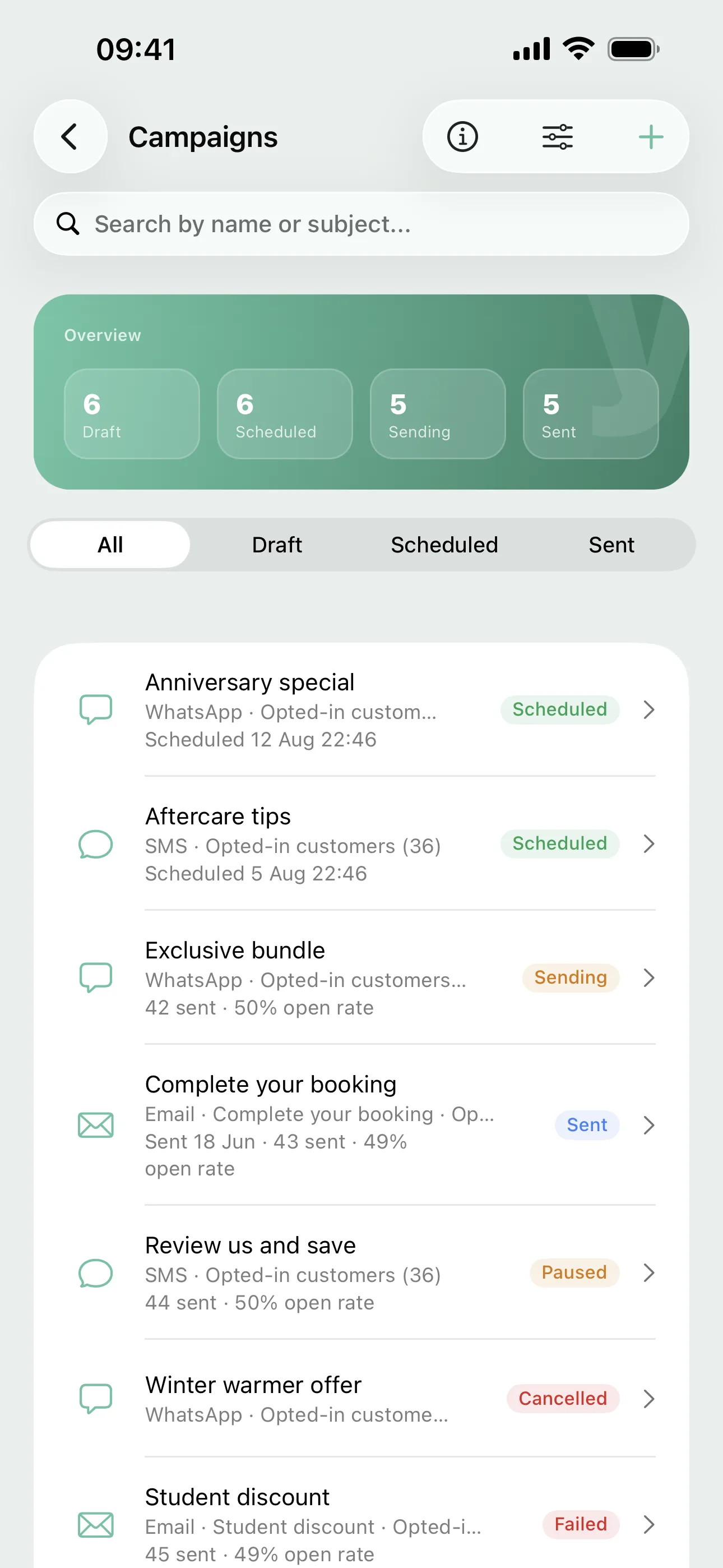
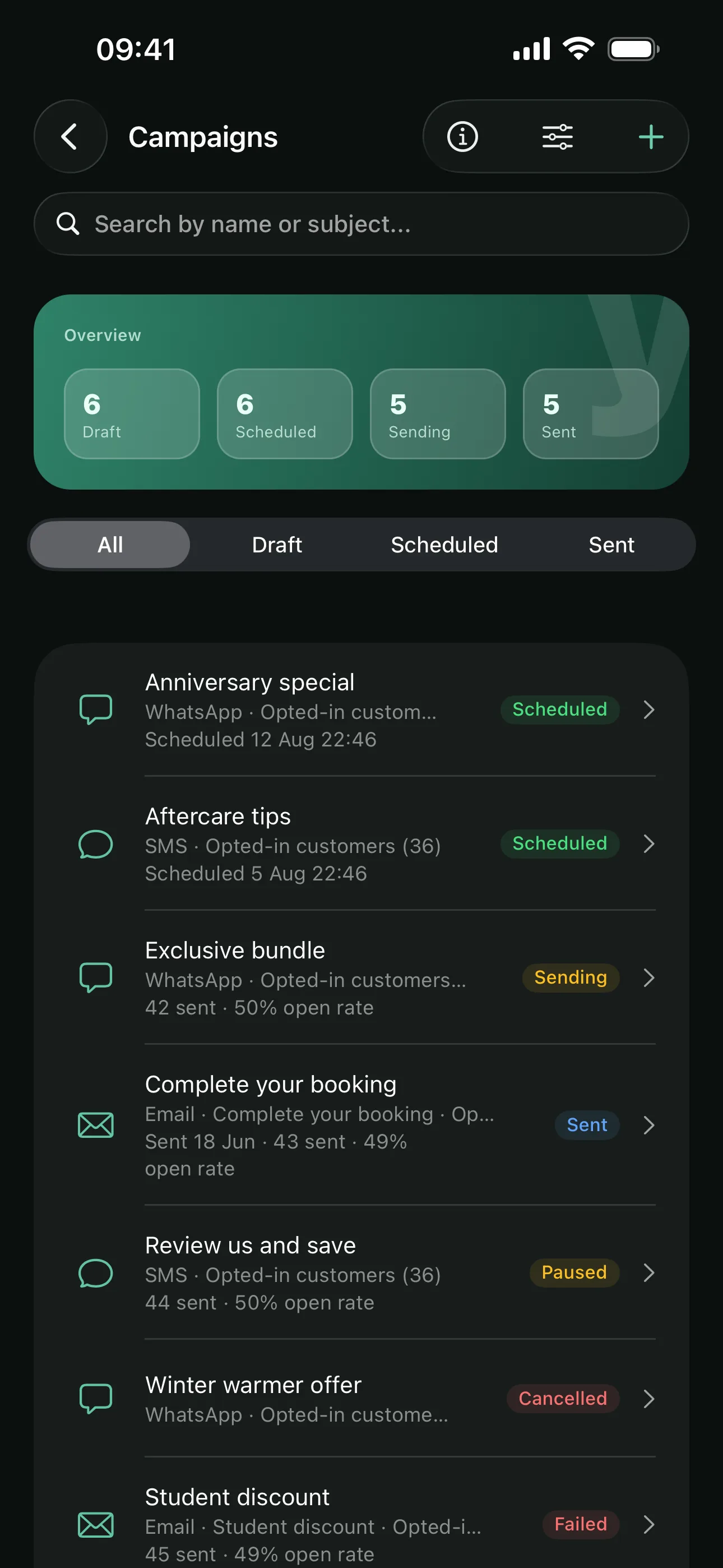
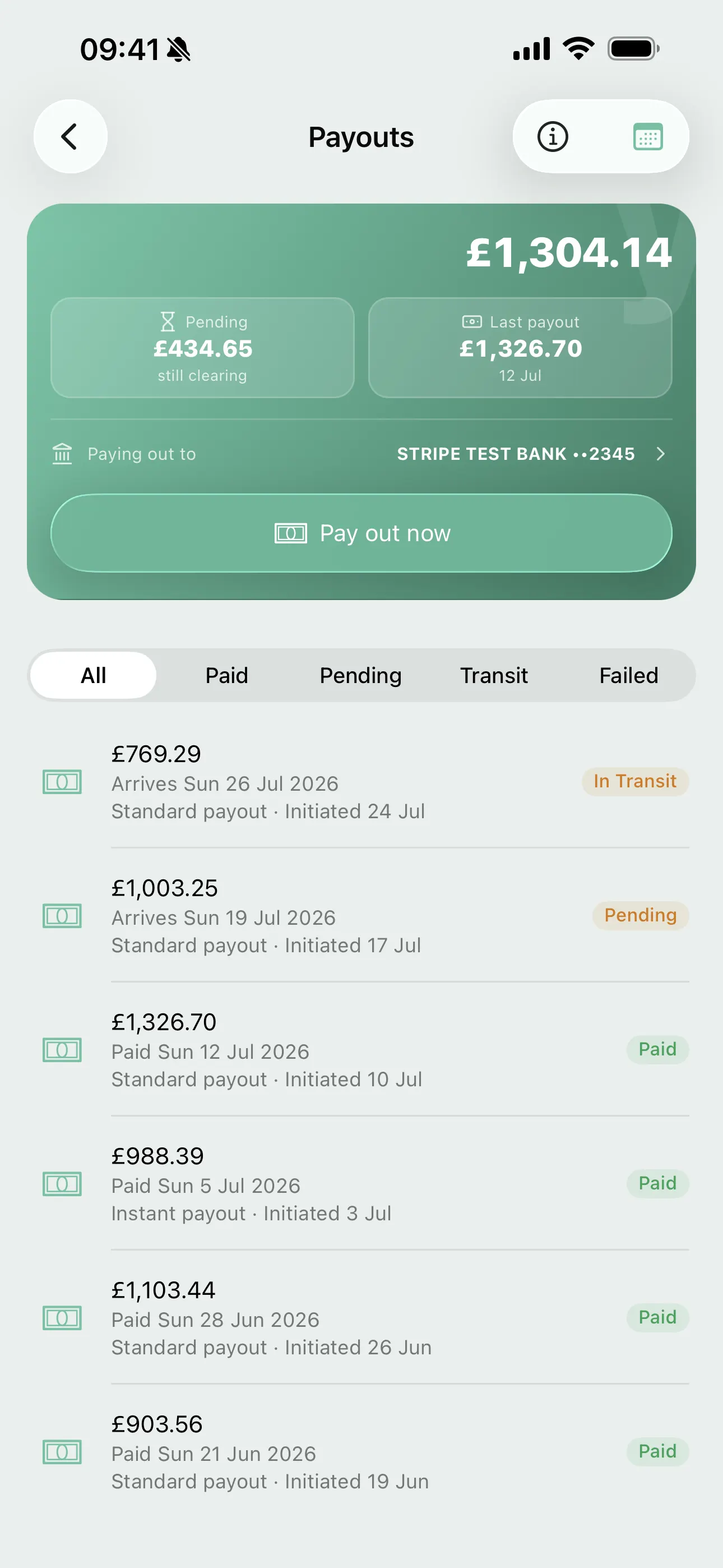
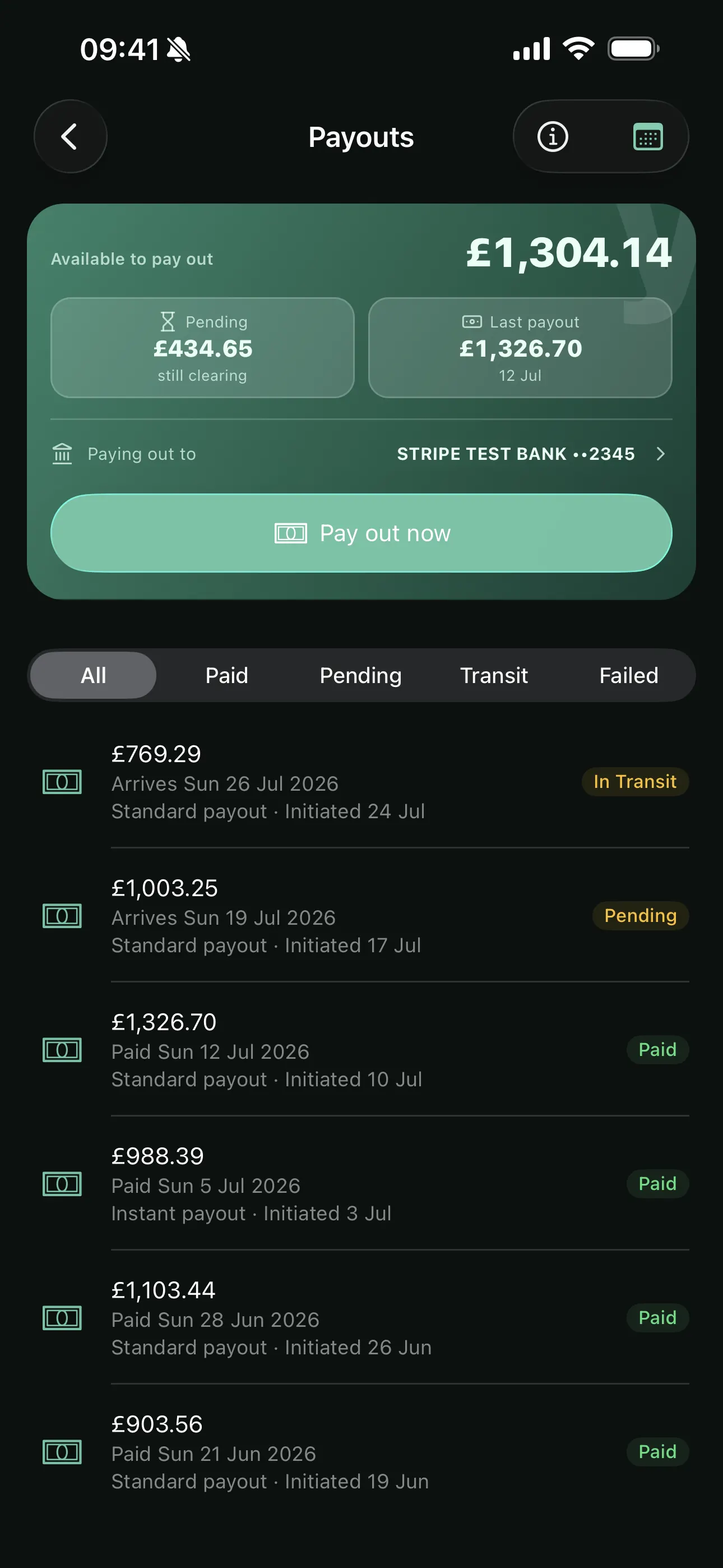
Real screens from Smooth Finish Plastering, our demo plastering firm, with the numbers it shows today.
Plastering, price on requestPlastering and rendering sit on the menu with how long each takes, priced on request.
 Waiting for your reply
Every review names who it was with and what was booked, this one for plastering. Reply from the same screen.
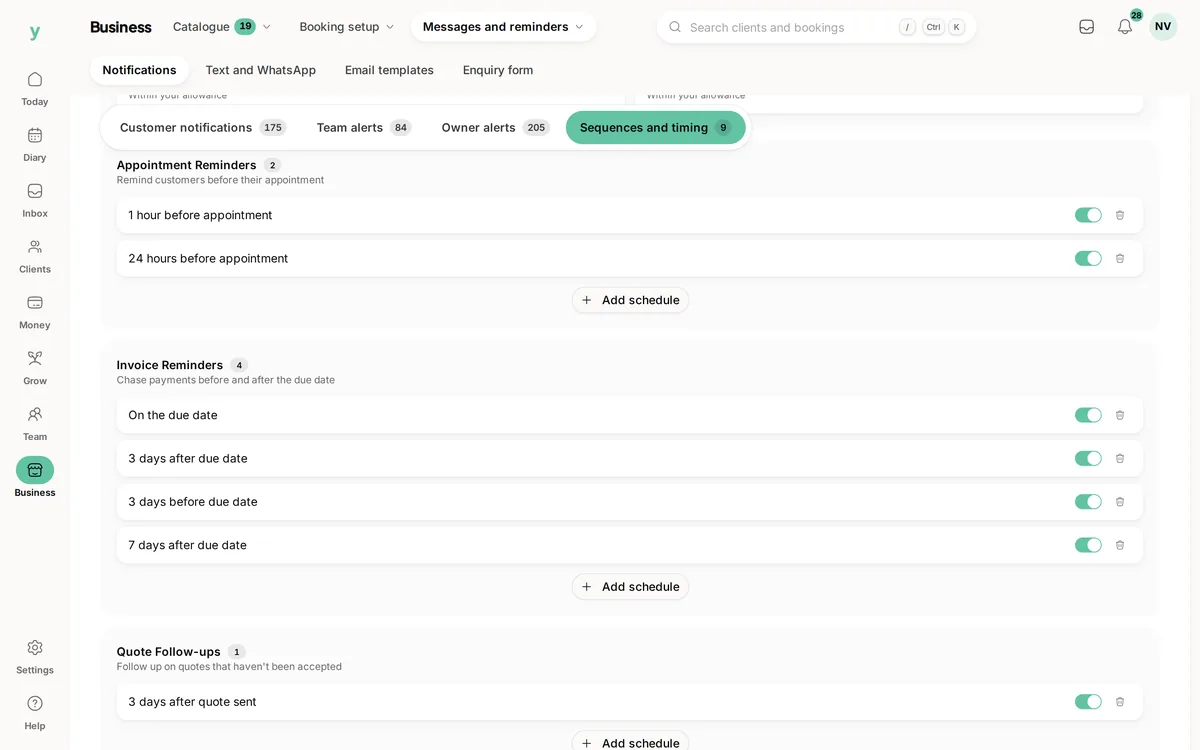
Capture enquiries, send a quick quote and lock the date with a deposit. Keep your week planned back to back and invoice the balance the moment the job is finished.
No commission on anything you take. No per job charges.
One monthly subscription. 1.5% + 20p only when you take a card payment.
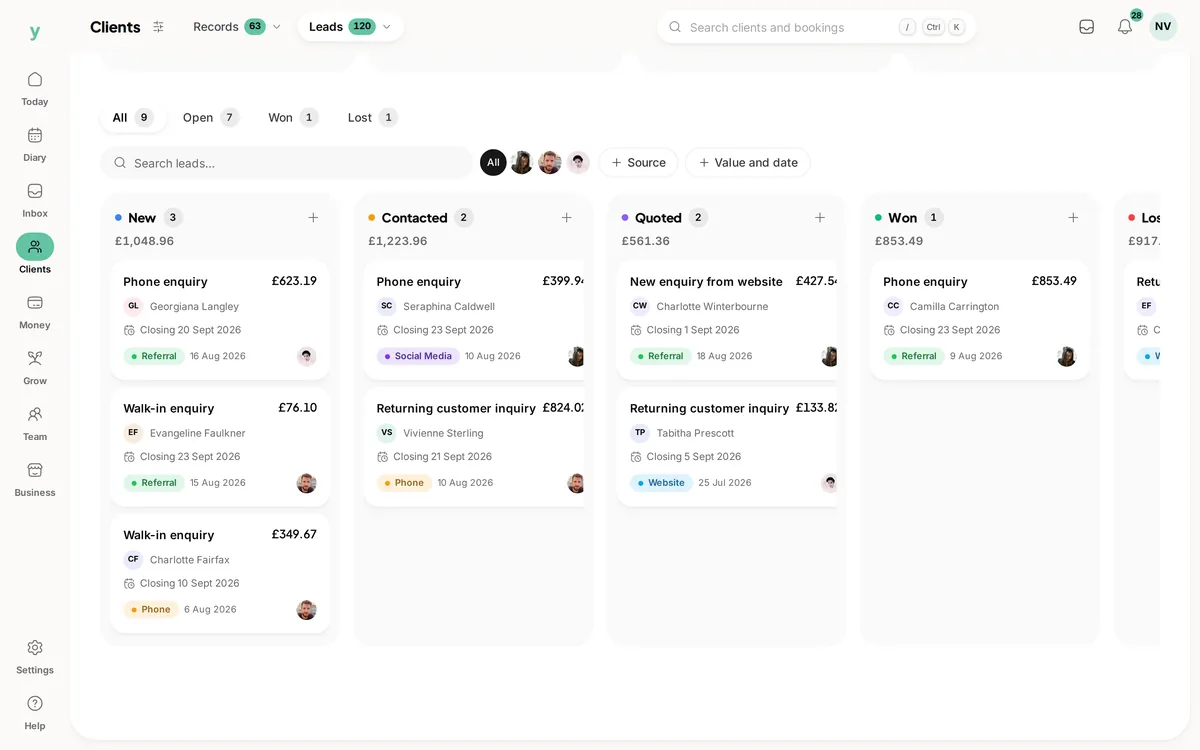
Plastering is priced by the room or the day. The argument is always about what counted as preparation. Quote the scope in writing, charge separately for the preparation and take the money the day you finish.
Overdue invoices chase themselves.
1.5% plus 20p on standard UK cards, and nothing added on top.
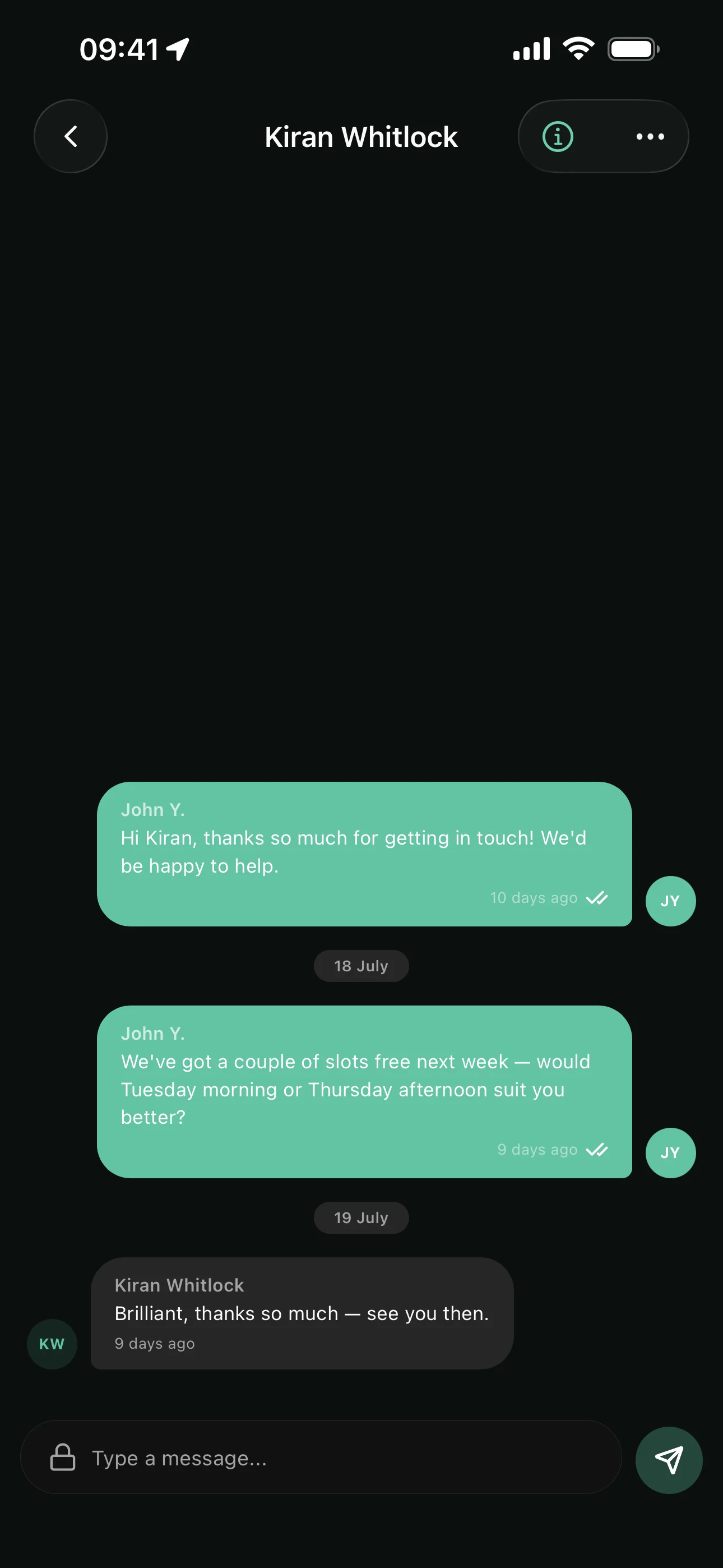
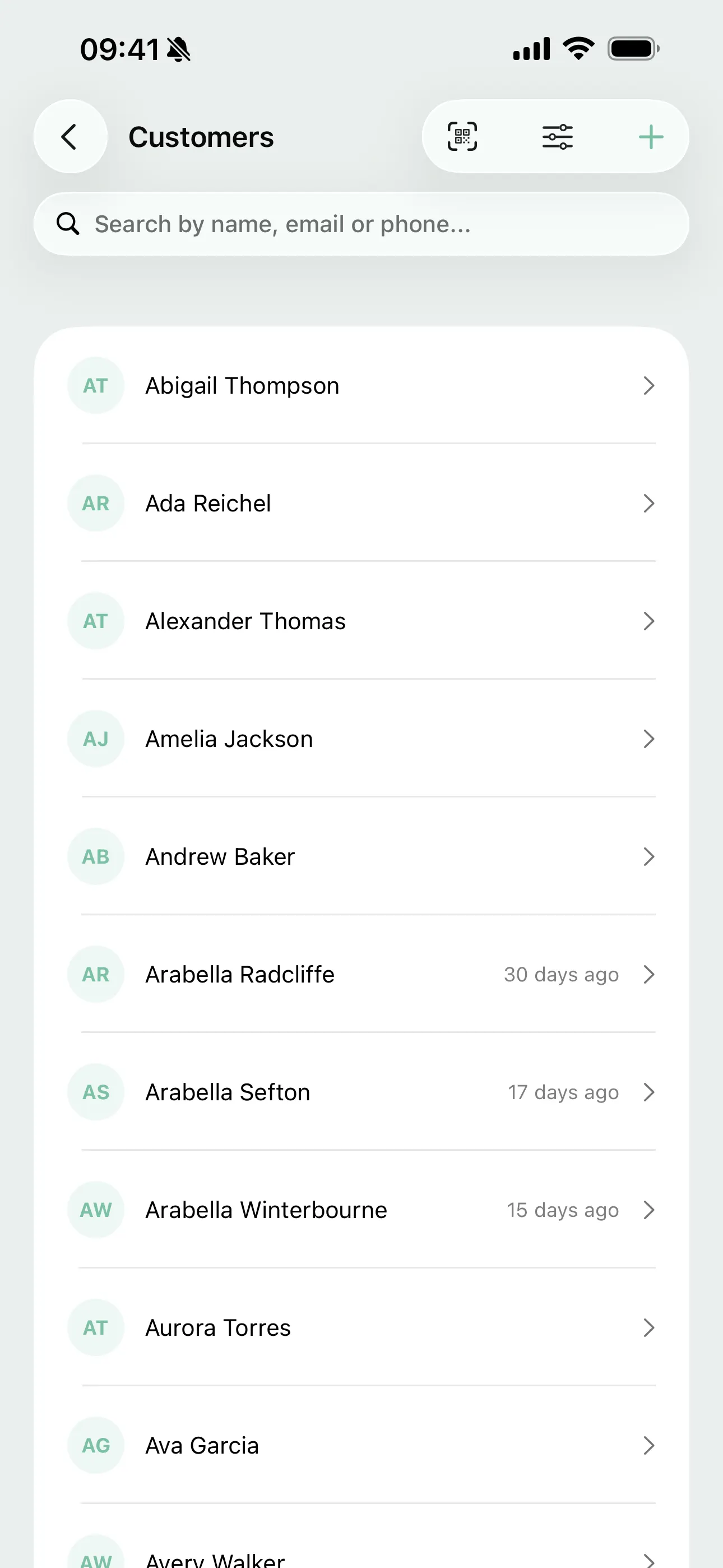
A plasterer's best customers are the builders and decorators who need someone reliable next week. Keep those contacts on a proper list, invoice them on terms and stay easy to book.
Unlimited customers on every plan.
Unlimited customer records on every plan, yours to export at any time.
Plastering is sold by the day and a day cannot be divided. A plasterer who arrives at eight to find the room not ready has already lost most of what that day was going to earn. No version of the afternoon gets it back.
Furniture out, sockets off, floors covered, paper stripped and the electrician finished with his chases. None of that is your work and all of it is your problem, because if it has not happened the day is gone.
Say who is doing it in the quote and say it plainly. Most customers genuinely do not know that a wall covered in vinyl paper cannot simply be skimmed over. They are not being difficult when they assume otherwise.
Charge for the day you attended rather than the day you managed to work. Written down beforehand nobody argues with it and left unsaid it happens to you three or four times a year.
| The work | What the day looks like | What the customer sees |
|---|---|---|
| Skimming a ceiling | The hardest hours in the trade, finished by mid afternoon | A flat white ceiling and a short day |
| Skimming sound plaster | One coat, two passes, straightforward | A wall that looks much like the last one |
| Board and skim on a stud | Two trades of work inside one day | A new wall, priced in their head as a skim |
| Float and set on brick | Two coats with a wait between them | Nothing at all until the second day |
| Patching and making good | Fiddly, slow and impossible to estimate from a photograph | A small job and expected to cost like one |
Each of those is a different price and a different length of day. One flat room rate treats them as the same job and the hard rooms end up paying for the easy ones.
A homeowner needs a plasterer once a decade. A builder needs one every fortnight and a decorator needs one every time a customer changes their mind about a wall. That is where a full diary actually comes from.
Trade customers buy on reliability rather than on price. They also expect to be invoiced on terms instead of paying on the day, which is the one place in this trade where you are carrying somebody else's money.
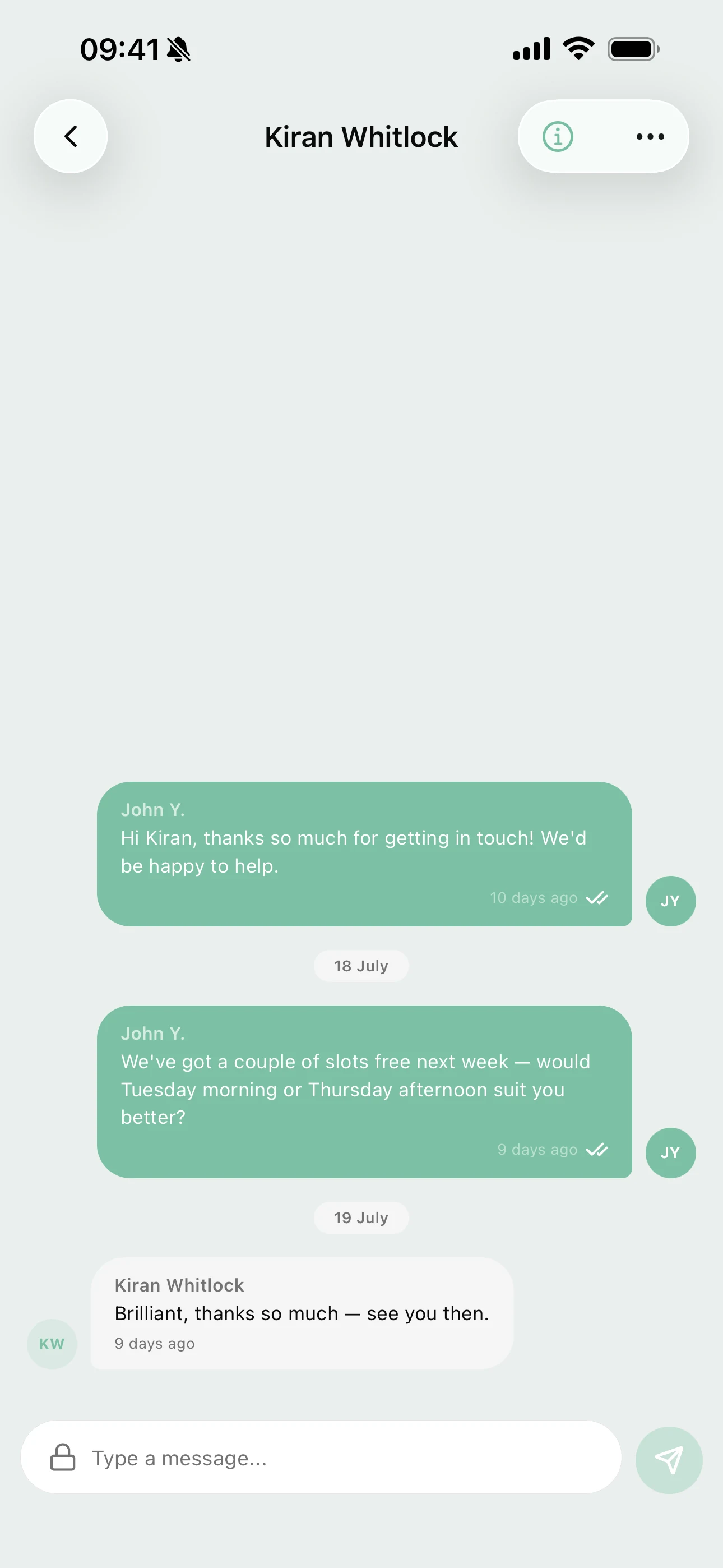
A customer asks whether you can do next Tuesday. A clear diary helps you check availability and reply with a date you can commit to.
Keep those contacts somewhere better than a phone. A builder who used you twice last year and has not been in touch since March is a conversation worth having. Their previous jobs give you a useful starting point for the conversation.
Start with a representative room or ceiling enquiry. Record the area, the requested finish and the preparation included in the price. Keep the site arrangements and the time reserved for the job with the accepted quote.
If access or the preceding trade changes the agreed date, record the move and inspect the rest of the week. A clear diary helps show the changed appointment; the team still needs to agree any effect on the scope and customer communication.
Each of these sits in the same account, so a booking, its payment and the client record stay together.
Enquiries with photos of the walls and ceilings arrive through your own form.
Duplicate a past quote, adjust the rooms and send it with your logo.
Payment links for a deposit and card payment on the day the skim is done.
The week view shows every job, so drying time between coats can be planned in.
Turn the accepted quote into the invoice and send a payment link with it.
Reminders to the customer before you arrive and to them again if the invoice goes overdue.
The details that usually slow down a move: setup, pricing, bookings, records and how Youzse fits into your day.
Weighing up job management apps? What a trades business pays per user and per card payment, side by side. See how Youzse compares
Yes. Send a branded quote from your phone while you are still on site.
Try every feature on your plan free for 30 days, with no card needed.
We value your privacy
Cookies keep Youzse running, improve the platform and help deliver relevant content. Read our privacy policy and cookie policy.